Is a 3kW Solar Inverter Sufficient for an Average Household?
Previously, we talked about how to choose 5kW and 10kW systems. This time, we will bring the topic back to the 3kW solar inverter, which is closer to the daily home.
Compared with high-power systems, 3-kilowatt solar inverter is often the first choice for users with limited budget and first-time photovoltaics. Therefore, on the Internet, "Is 3kW enough?", "What electrical appliances can be driven?", "What kind of family is suitable?" The discussion has been very hot.
For an ordinary family, a 3kW inverter may be enough or not enough - the key is your electricity habits, the number of high-power electrical appliances, and whether to store energy with batteries.
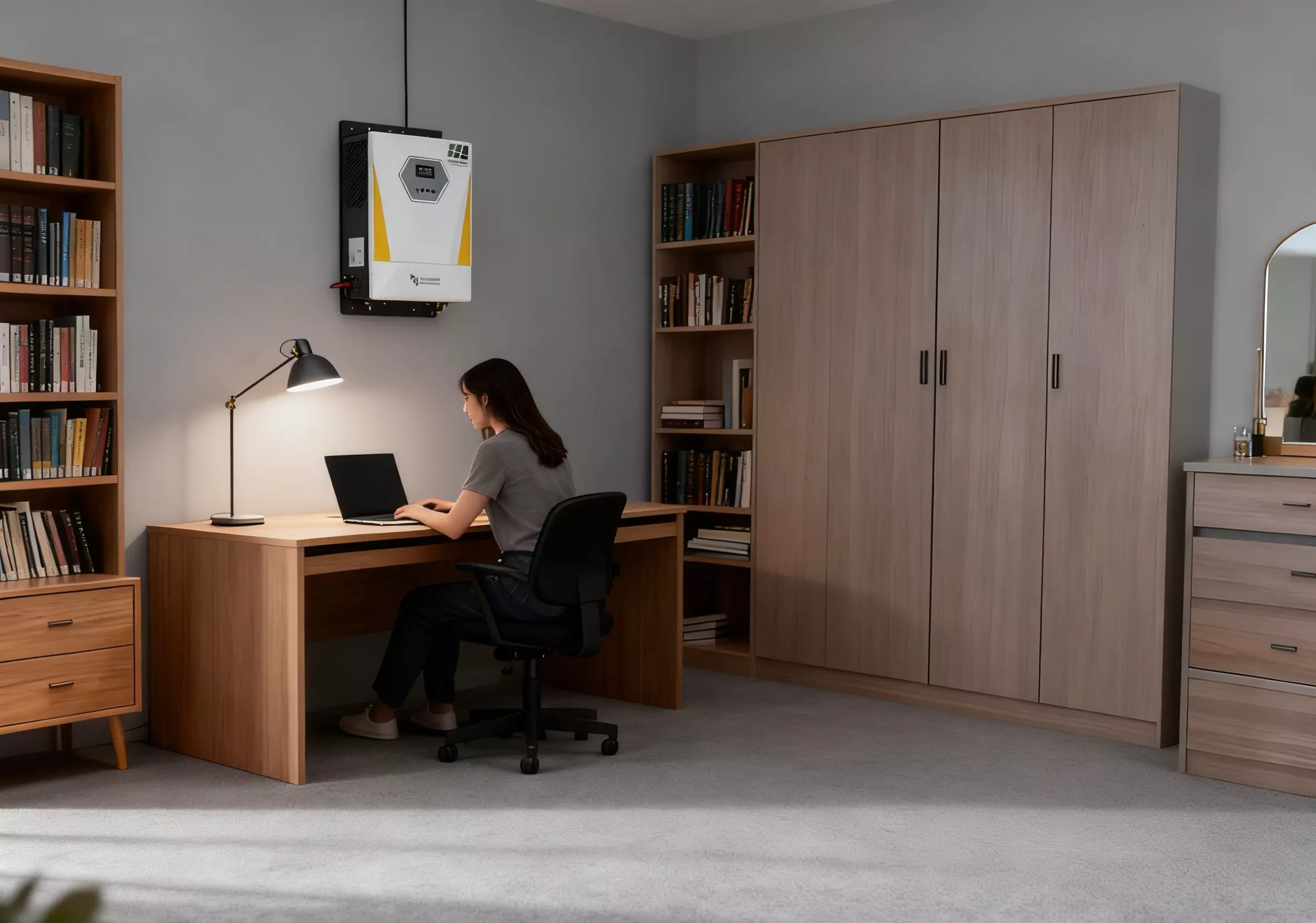
This article will start from the real electricity consumption, equipment adaptation, electrical power, system configuration, price comparison and other dimensions to help you judge:
Is the 3kW solar inverter your best choice?
Related articles:
“5kW Solar System: Costs, Output, and Ideal Inverter Choices”
“Are 10kW Solar Inverter Systems Suitable for Residential Use?”
1. The real output capacity of 3kW solar inverter: what household appliances can it drive?
Many people see the rated output of "3000W (3000 watt PV inverter)" and think that as long as the total power of the electrical appliance does not exceed 3kW, it can be taken at will. In fact, it is also necessary to consider the starting power of the electrical appliance, the duration of the load, the maximum peak of the inverter and other factors.
The following are typical household appliances that can be driven stably by 3kW solar inverter (estimated according to the daily operating power of common households):
| Appliance | Power Range | Can it run stably? | Notes |
|---|---|---|---|
| Refrigerator | 100–200 W | ✓ Stable operation | Stable operation |
| Television | 80–150 W | ✓ No problem | No problem |
| Router | 10 W | ✓ | |
| Laptop | 50–90 W | ✓ | |
| LED lighting | 5–50 W | ✓ | |
| Fan | 40–70 W | ✓ | |
| Small washing machine | 300–500 W | ⚠ Run alone | Recommend operating separately |
| Microwave (small) | 700–1000 W | ⚠ Short-term use | Can run for short periods |
| Small A/C (1 HP) | 700–1200 W | ⚠ Sometimes | Depends on starting surge |
2. Electricity consumption of ordinary families: Is 3kW suitable for you?
(1) The most suitable for families using 3kW solar inverter
- Restanted areas, rural residences, farm houses
There is less electricity consumption in daily life, and there are not many kitchen appliances. - Small house type or single house
The equipment that is often turned on is limited, mostly refrigerators + lights + TVs + computers. - Families without large air conditioners (only within 1 horse)
The load pressure is relatively small in summer. - Pursue basic energy self-sufficiency, not completely off-the-grid
For example, the model of "using solar energy and electricity bills to supplement during the day".
If you meet these conditions, 3kW can basically meet the demand.
(2) For the following families, 3kW may not be enough
- Family with three bedrooms and two living rooms + two air conditioners running at the same time in summer
The load easily exceeds 3kW. - Families who frequently use kitchen appliances
For example, induction cooker + microwave oven + rice cooker will instantly cause overload. - Families with concentrated peak electricity consumption
(turn on lights, cook, turn on air conditioners at night) - Families who plan to realize "completely off-grid" after connecting to energy storage
Off-network systems have higher requirements for inverter capacity.
If you belong to the above family, it is recommended to give priority to 5kW or above systems.
3. What kind of solar panels and battery configurations are required for 3kW inverters? (Three types of configuration suggestions)
In order to make the 3kW solar inverter run more efficiently, three sets of typical configurations are provided here, which are suitable for different family scenarios.
✔ Configuration 1: Entry-level (economical and practical)
Suitable for: single-person, small-sized, basic electricity-using families
- Solar panel: 2–3kW
- Battery energy storage: 5kWh
- Meet the needs: lighting, refrigerator, TV, small household appliances
- Features: low cost and fast return on cost
✔ Configuration 2: Practical (most recommended)
Suitable for: ordinary families, small air conditioner users
- Solar panel: 3–4kW
- Battery energy storage: 10kWh
- Meet the needs: basic household electricity + some air conditioning
- Advantages: Ensure load stability and more flexible energy storage
- Evaluation: The most balanced solution, the most cost-effective
✔ Configuration 3: Enhanced (high-load users)
Suitable for people: more electricity, a large number of electrical appliances
- Solar panel: 4–5kW
- Battery energy storage: 10–15kWh
- Meet the needs: most electrical appliances work normally
- Suggestion: If the budget allows, it is safer to choose 5–10kW inverter.
4. 3kW vs 5kW vs 10kW: Which should an average family choose? (Comparison table)
| Household Type | Recommended Capacity | Selection Reason |
|---|---|---|
| Single / Small apartment | 3 kW | Few appliances, no high-power devices |
| Standard family (2–3 bedrooms) | 5 kW | Can run air-conditioners, handles peak loads more reliably |
| Large home / High-consumption | 10 kW | Supports simultaneous use of kitchen appliances and air-conditioners |
5. If you insist on using 3kW, what should you pay attention to?
- Do not run multiple high-power appliances (such as microwave oven + rice cooker + air conditioner) at the same time.
- The inverter should choose a model (key point) with a peak power of ≥ 6000W.
- The total power of the solar panel is recommended to be ≥ 3kW, so that the inverter can run at full load.
- Adding battery energy storage (at least 5–10kWh) can significantly improve the experience.
- Ensure that the inverter is of reliable quality, good heat dissipation, and has a protection mechanism.
6. Why choose a high-quality 3kW inverter?
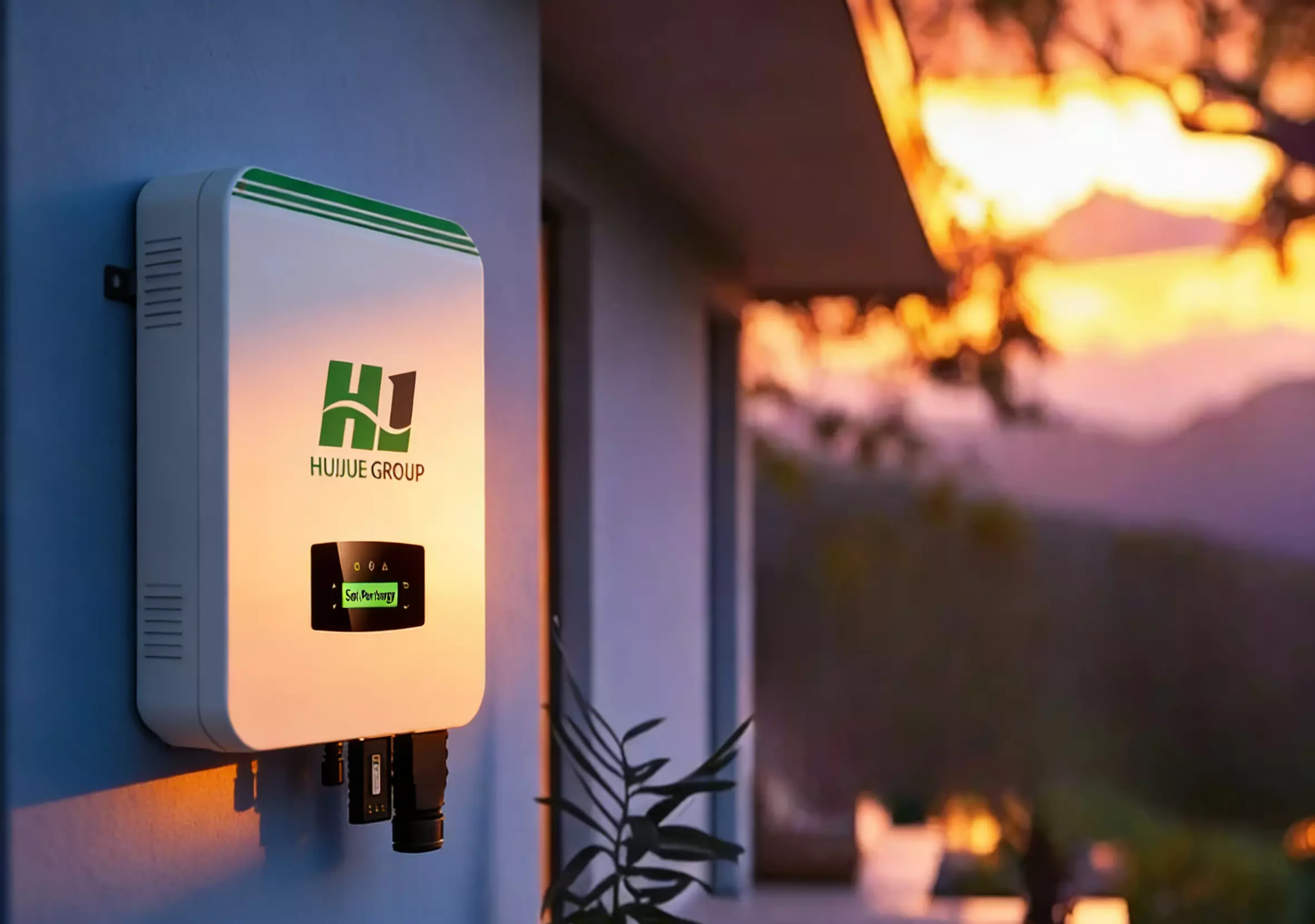
Our 3kW solar inverter is specially designed for small families, rental houses and farm residences, with both high efficiency and durability. The following are the main advantages:
- High energy conversion (efficiency up to 98.4%)
Adopt transformerless topology, light and efficient
Double MPPT improves power generation income under different light
Wide input voltage range, compatible with more panel types - Safer and more reliable
DC side double lightning protection
Optional AFCI arc fault protection
Support ground fault monitoring and residual current protection
It is especially important for off-network and hybrid system users. - Intelligent user experience
OLED display + touch button
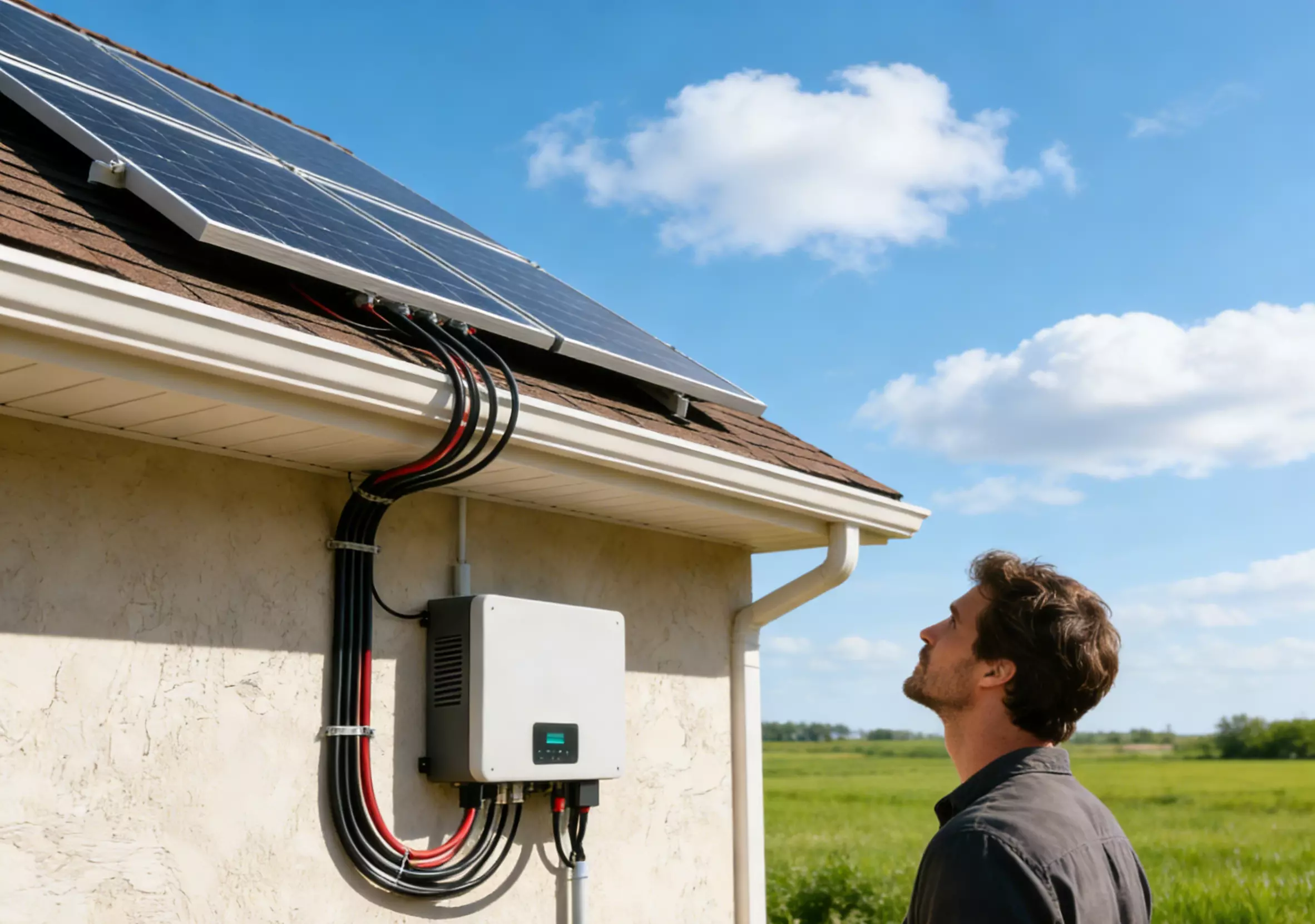
One person can complete the installation.
Support WiFi / GPRS / APP remote monitoring
Users can check the power generation, status and energy consumption at any time. - Durable, worry-free, suitable for all kinds of environments
IP65 waterproof and dustproof
Natural heat dissipation, fanless design (silent, longer life)
Lightweight body, suitable for wall-mounted scenes - Rich application scenarios
✔ Home photovoltaic system
✔ Rural housing/farm housing
✔ Small shops, small enterprises
✔ 3kW hybrid inverter system combined with battery
✔ Environmentally friendly families who pursue a sustainable life
7. Is the 3kW solar inverter suitable for ordinary families?
Brief summary:
Suitable for the following families:
- Small house type, a family of two
- Few electrical appliances and no high-power equipment
- Users with limited budgets
- First-time installation of photovoltaics, experiential families
- Pay attention to power generation for self-use and incomplete off-grid
Not suitable for the following families:
- There are many appliances and air conditioners in the kitchen.
- Peak electricity consumption is obvious.
- Pursue whole-house load access
- Large apartment with three bedrooms and two living rooms or more
The conclusion of a sentence:
If your home power is not high, 3kW absolutely enough.
If you have a large number of high-power appliances, it is recommended to upgrade directly to a 5kW or 10kW system.
Our 3kW solar inverter has helped thousands of families achieve energy independence. It can be flexibly matched with solar panels and energy storage batteries, and is an ideal choice for high efficiency and durability.
Conversion efficiency up to 98.4%
Support dual MPPT + remote monitoring
IP65 protection, suitable for various environments
Can be upgraded to hybrid energy storage scheme