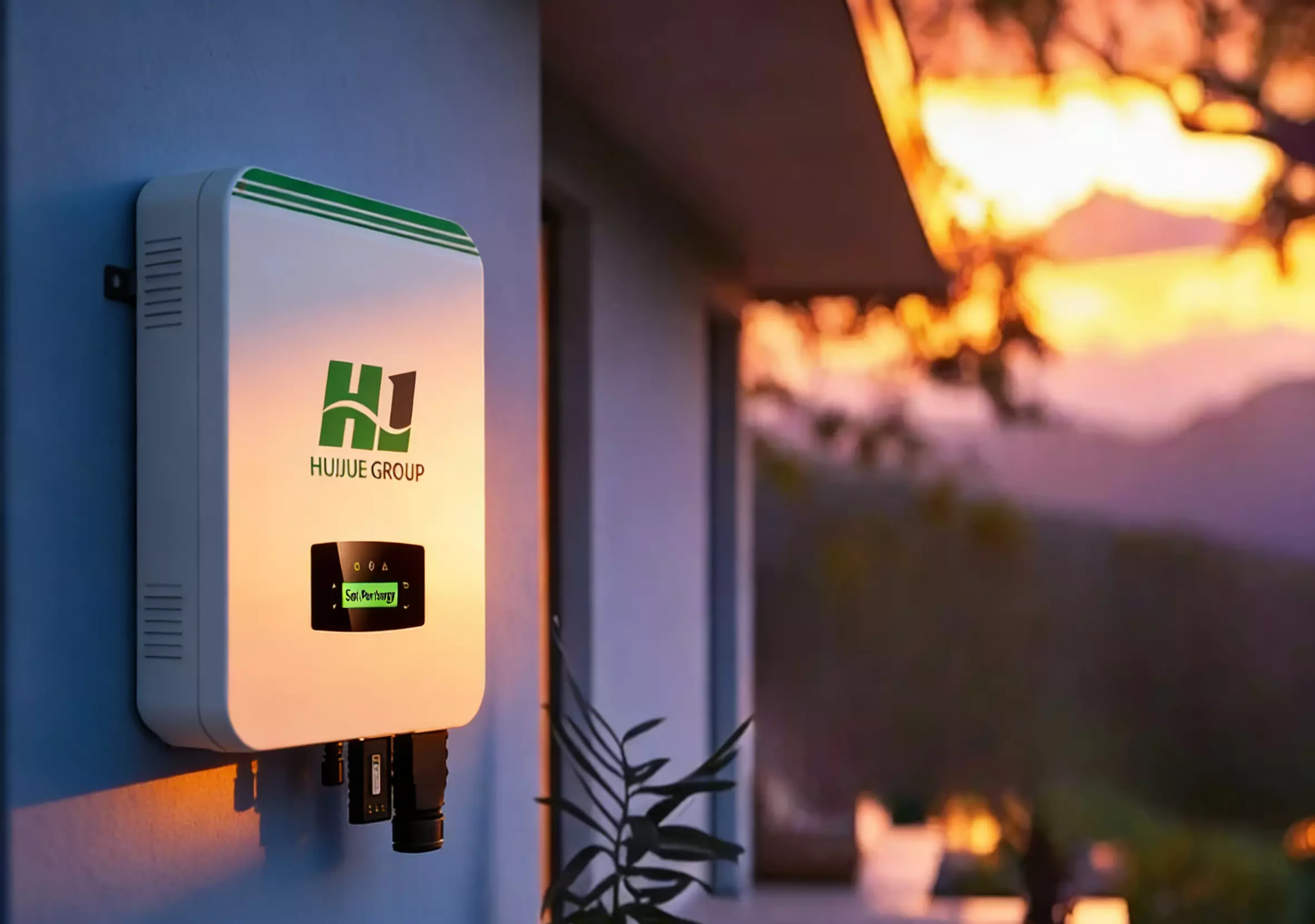
Ⅰ. The "real problem" of inverters has never been defined.
If your solar system is obviously generating electricity during the day, but it cannot stably supply or store electricity, the problem is often not in the component or the battery, but in the wrong inverter or mismatched configuration.
In the actual project, we have seen a lot of such situations: The efficiency of the components is not low and the battery capacity is sufficient, but the system either frequently disconnects or the power can only be "unuseable".
This is exactly one point that many users ignore--The inverter is by no means just a device that "turns direct current into alternating current".
In many home and small energy storage projects I have participated in, more than 40% of the initial system problems are related to inverter selection or system architecture. It's not a problem of equipment quality, but "the right equipment is used in the wrong situation".
This also leads to two key issues:
Why is the battery inverter the core of the solar energy storage system?
How exactly does it affect power generation efficiency, power supply reliability, and even system life?
II. What is a solar cell inverter? Start with "understandable"
2.1 Where does electricity come from and where does it go?
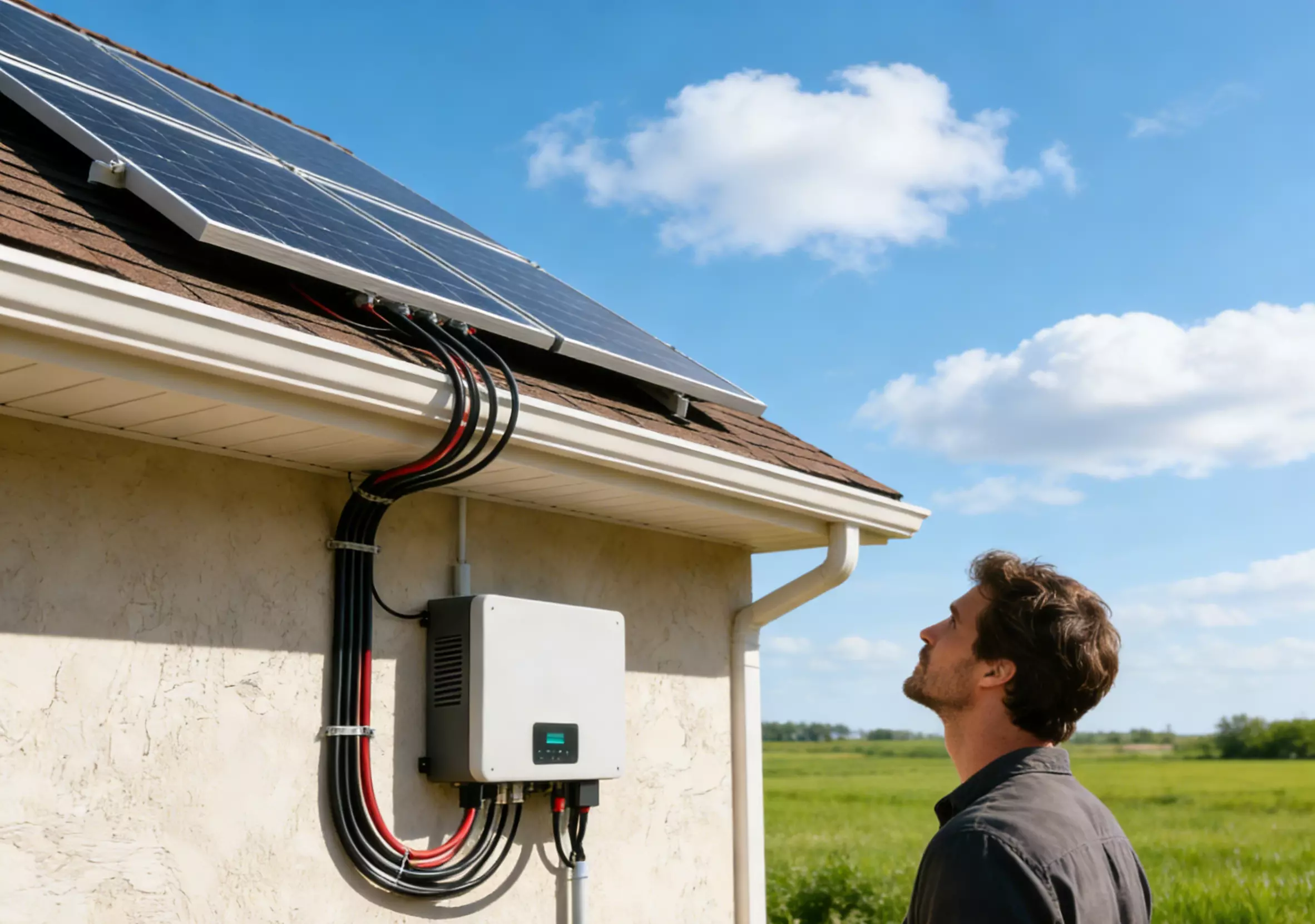
The electricity emitted by solar modules is direct current (DC), Almost all household electricity, power grids and electrical appliances use alternating current (AC).
Battery Inverter for Solar is the "hub" that connects these two worlds:
- Convert photovoltaic direct current into useable alternating current
- Manage the flow of electricity between components/loads/batteries/grids
- Decide whether to "use up and store the electricity immediately, or send it back to the power grid"
2.2 Its real role in the system
In actual operation, the inverter undertakes multiple tasks at the same time:
- MPPT maximum power point tracking: ensure that components generate as much power as possible under different lighting conditions
- Energy scheduling: prioritise the load? Charge the battery first? Or is it a network?
- Grid connection and security control: anti-isolated island protection, power grid synchronisation
- Power quality management: voltage, frequency, waveform stability
During the commissioning stage, we often find that: Many systems "don't have a bad power generation, but the user's perception is very poor". The reason is that the inverter cannot "send electricity to the right position".
III. Why do you need a battery inverter?
3.1 Without an inverter, the electricity is almost "nobe to go"
There is no inverter:
- The electricity generated by the component cannot be directly used for the home load.
- It can't be stored in the battery system.
- The whole photovoltaic system only "generation voltage", not "available electricity"
The inverter is the first step for the solar system to really start working.
3.2 It is not only a converter, but also the "control centre" of the system.
In a semi-offline home system in winter in northern China, when the ambient temperature is low and the output voltage of the component is unstable, the inverter will automatically enter the low-power operating mode to avoid the battery being deeply discharged. Without this control logic, the battery life is often significantly reduced within 1–2 years.
IV. How does the inverter affect the efficiency and stability?
4.1 MPPT: The key to underestimated power generation efficiency
MPPT (Maximum Power Point Tracking) has only one goal: Let the components always run at the optimal voltage and current points.
Under complex roofs, shadow occlusion or multi-oriented installation scenarios: Single-way MPPT often drags down the overall power generation. Multiple MPPT can significantly reduce the loss of inconsistency.
4.2 Applicable boundaries of different inverter types
| Type | Grid-tied | Battery Support | Typical Application |
|---|---|---|---|
| Grid-tied Inverter | Yes | No | Standard residential rooftop |
| Off-grid Inverter | No | Yes | Areas without grid access |
| Hybrid Inverter | Yes | Yes | Energy storage + backup power |
In a customer on-site test, we found that: Under the same component conditions, the power generation utilisation rate of the hybrid system with battery increased by about 23% in continuous rainy days. And the simple network-line system can hardly provide effective output.
V. How does the inverter really affect your user experience?
The parameter is not the higher the better, but "whether it is useful"
- Peak efficiency vs actual operating efficiency (CEC / weighted efficiency)
- MPPT Road Count vs Roof Complexity
- Heat dissipation design vs installation environment
A fact that is often ignored is: The efficiency of the inverter has been increased from 95% to 98%, The annual revenue increase for 10kW systems is often higher than the gain brought by simply upgrading components.
VI. If you choose the wrong inverter, the system will really be "white"
Case 1: The whole system cannot be powered during a power outage.
- Scenario: Home Grid System
- Question: The inverter does not support EPS / backup mode
- Result: Power outage is "all black"
- Solution: After replacing the hybrid inverter that supports energy storage and backup output, the system runs stably.
Case 2: The shadow caused the power generation to plummet
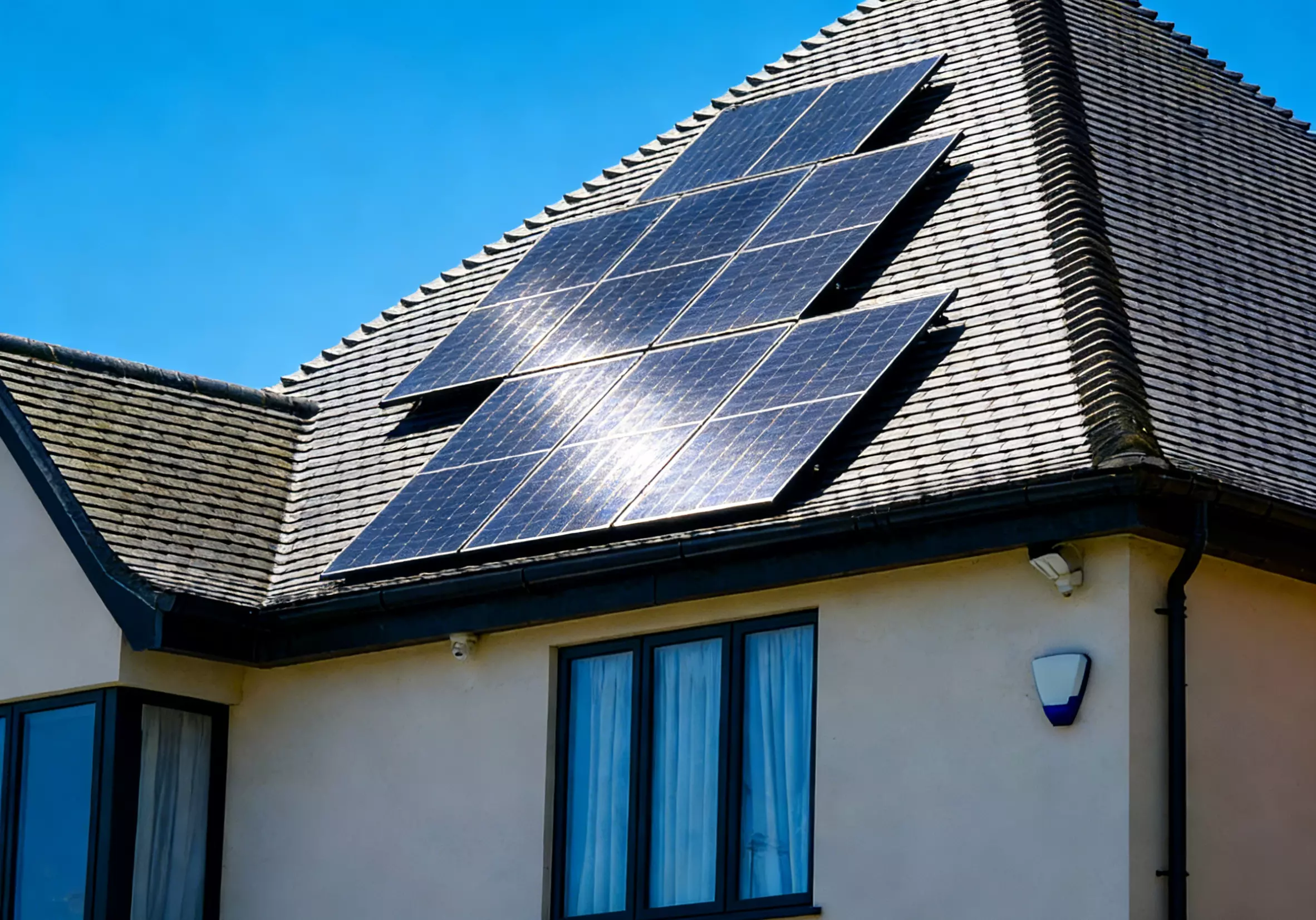
- Scene: Partial obstruction of the roof
- Question: Traditional group string inverter
- Result: The daily power generation loss is obvious.
- Optimisation scheme: introduce multi-MPPT / optimiser scheme
- Actual measurement improvement: about 12% of the average daily power generation
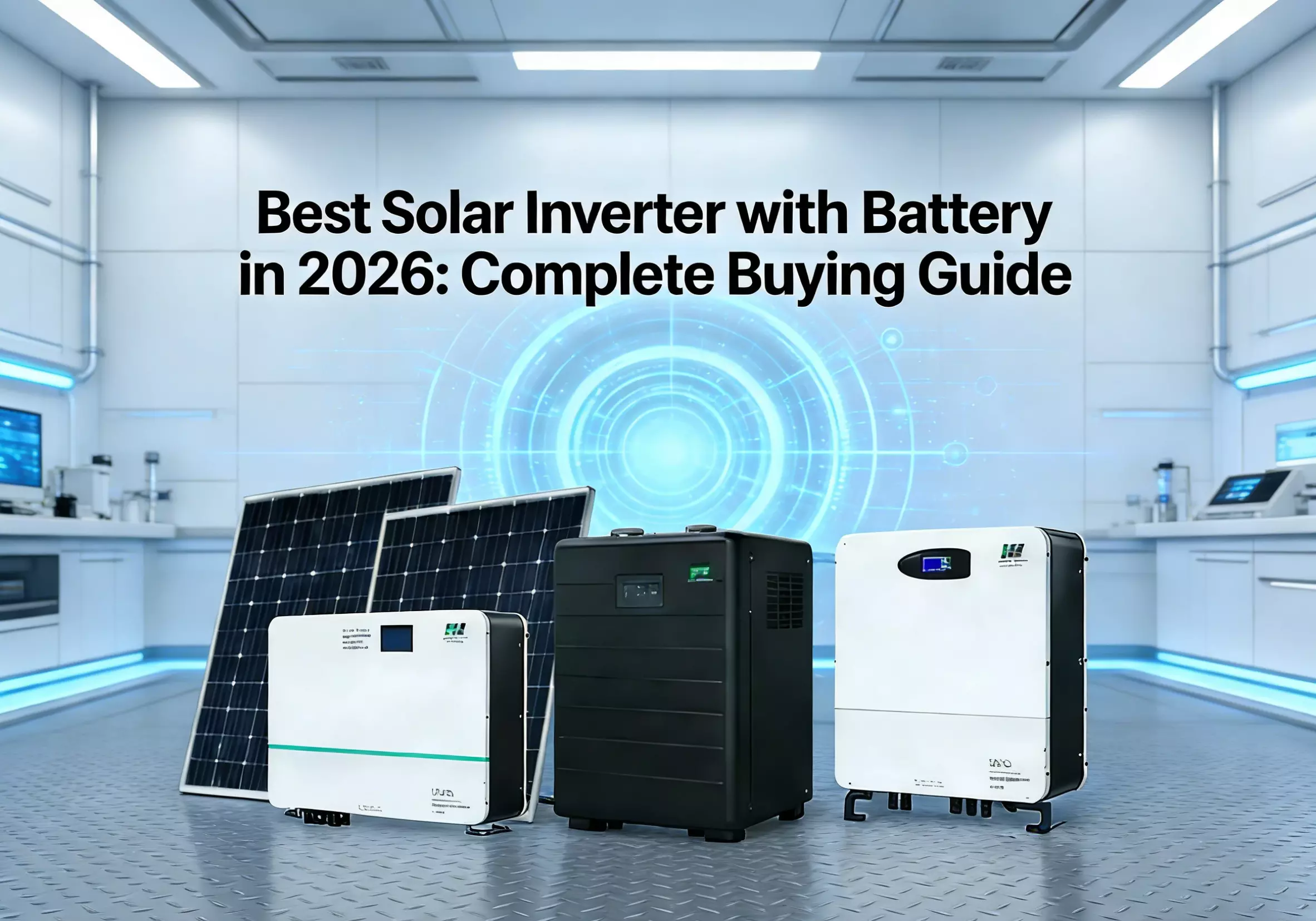
VII. Scenario solution example: 10–12kW three-phase hybrid energy storage inverter, suitable for users who "want to connect to the network and control electricity consumption"
In actual projects, if home or small commercial users both want to reduce electricity costs by grid connection and are worried about the risks of power outages or power grid instability, hybrid inverters are often a safer choice.
Take the 10–12kW three-phase hybrid grid-connected energy storage inverter we applied in many residential and light commercial projects as an example. This kind of device does not simply "combine the inverter and the battery interface", but simplifies the overall configuration logic of the solar + energy storage system from the system architecture level:
- When the power grid is stable, the system gives priority to meeting the electricity needs of households or loads, and the excess power can be connected to the grid or stored in the battery.
- When the power grid fluctuates or a power outage occurs, the inverter can quickly switch to off-grid mode to provide continuous power supply for critical loads.
- For three-phase users with complex electrical structures, it can better balance the load of each phase and reduce energy waste.
In actual use, the greatest value of this hybrid inverter is not a certain number on the parameter table, but the flexibility of the electricity strategy--You don't need to choose between "saving money by grid connection" and "backup power supply". The system can automatically make the best decision according to real-time conditions.
VIII. How to choose the right inverter for you? Don't just look at the power, but look at the goal.
The choice of inverter is never "the bigger the better", but depends on the following core issues:
- Is your system scale residential or light industrial commercial?
- Has it been configured or is planned to connect to battery energy storage in the future?
- Is your main goal to reduce electricity costs, improve the spontaneous self-use rate, or improve the safety of electricity consumption during power outages?
In these decision-making processes, it is very important to cooperate with experienced installers; at the same time, choosing a brand with long-term technical accumulation at the energy storage and inverter system level can often avoid the hidden cost of repeated adjustment or replacement of equipment in the later stage.
We see in project practice that high-quality inverters are often the key nodes to release the potential of the entire energy system, It determines whether the components and batteries you install "work separately" or "work together as a truly efficient system".
Huijue Group focusses on the field of photovoltaics and energy storage, and continues to invest in the design of integrated solutions for solar cells and inverters. The goal is not only the current availability, but also the stable performance and sustainability of the system in the multi-year operating cycle.
If you are planning a residential or commercial solar system, welcome to contact us to learn how Huijue Group's inverters and energy storage products work together to provide all-weather, predictable and stable support for your energy system.