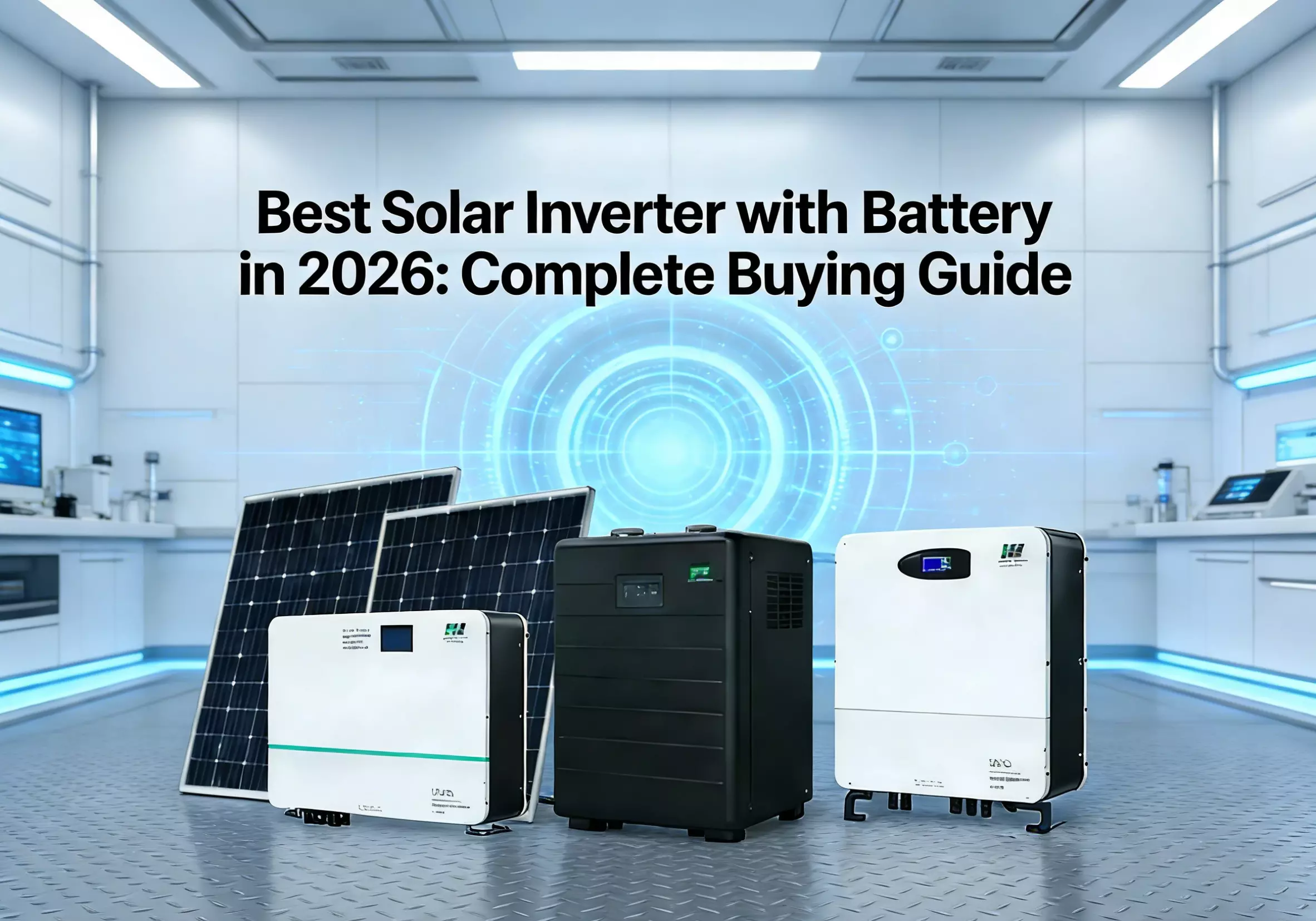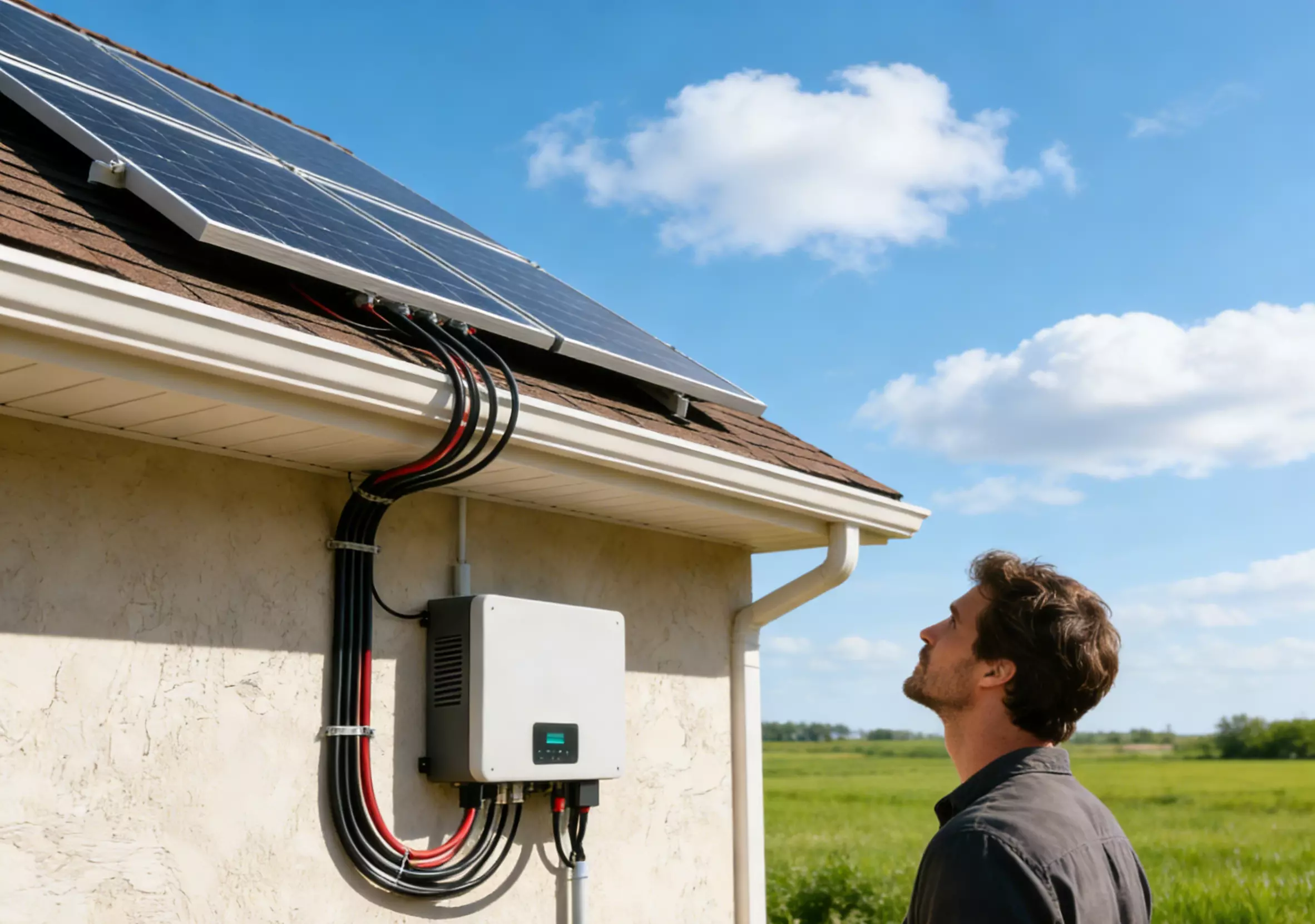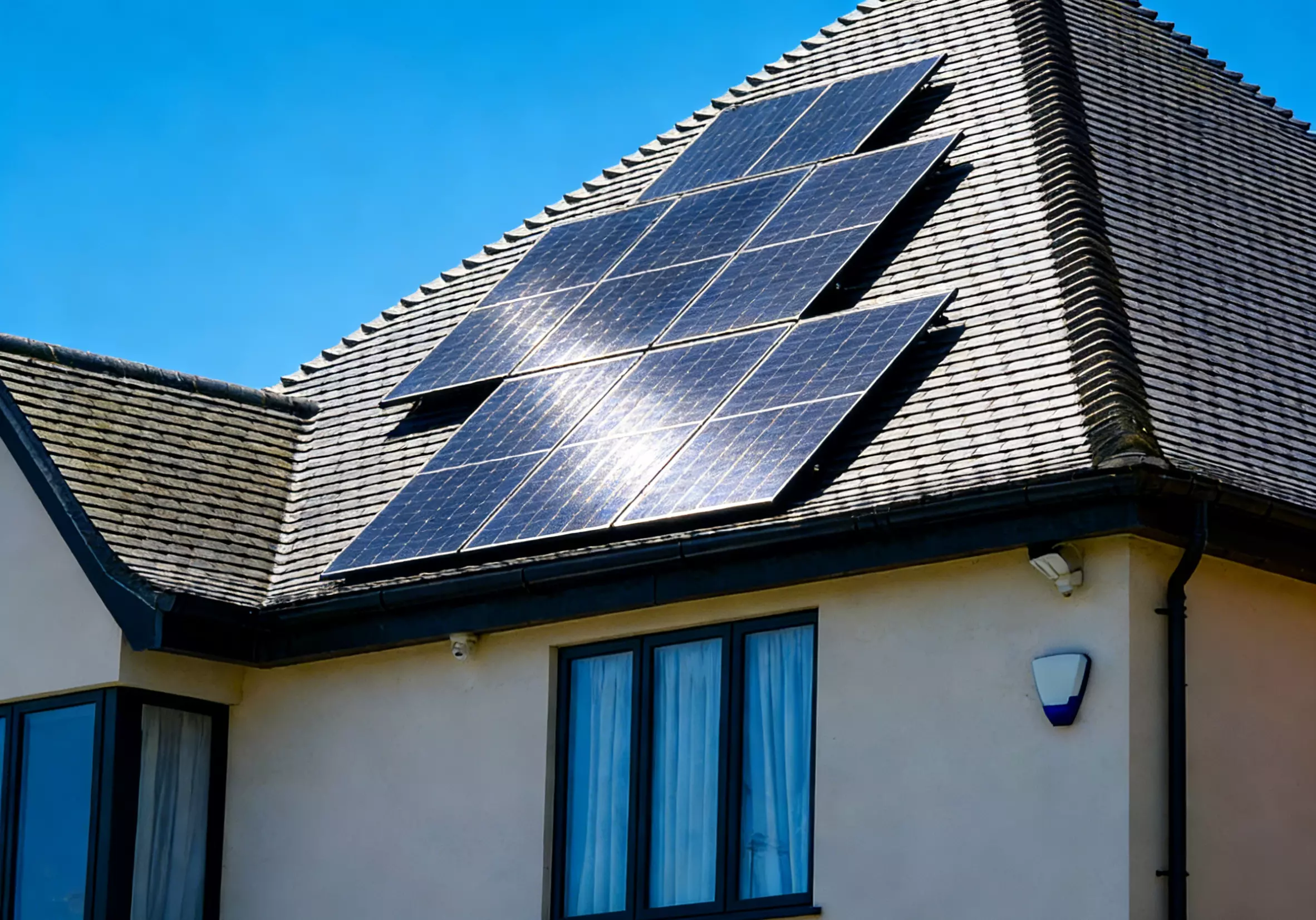
Installing home photovoltaics not only effectively reduces electricity bills but also reduces carbon emissions, contributing to a greener lifestyle. However, roof structures, electricity usage habits, and budgets vary significantly, resulting in different suitable photovoltaic installation options. This article compares five common home photovoltaic installation options and, combined with the use of energy storage systems, helps homeowners find the ideal solution.
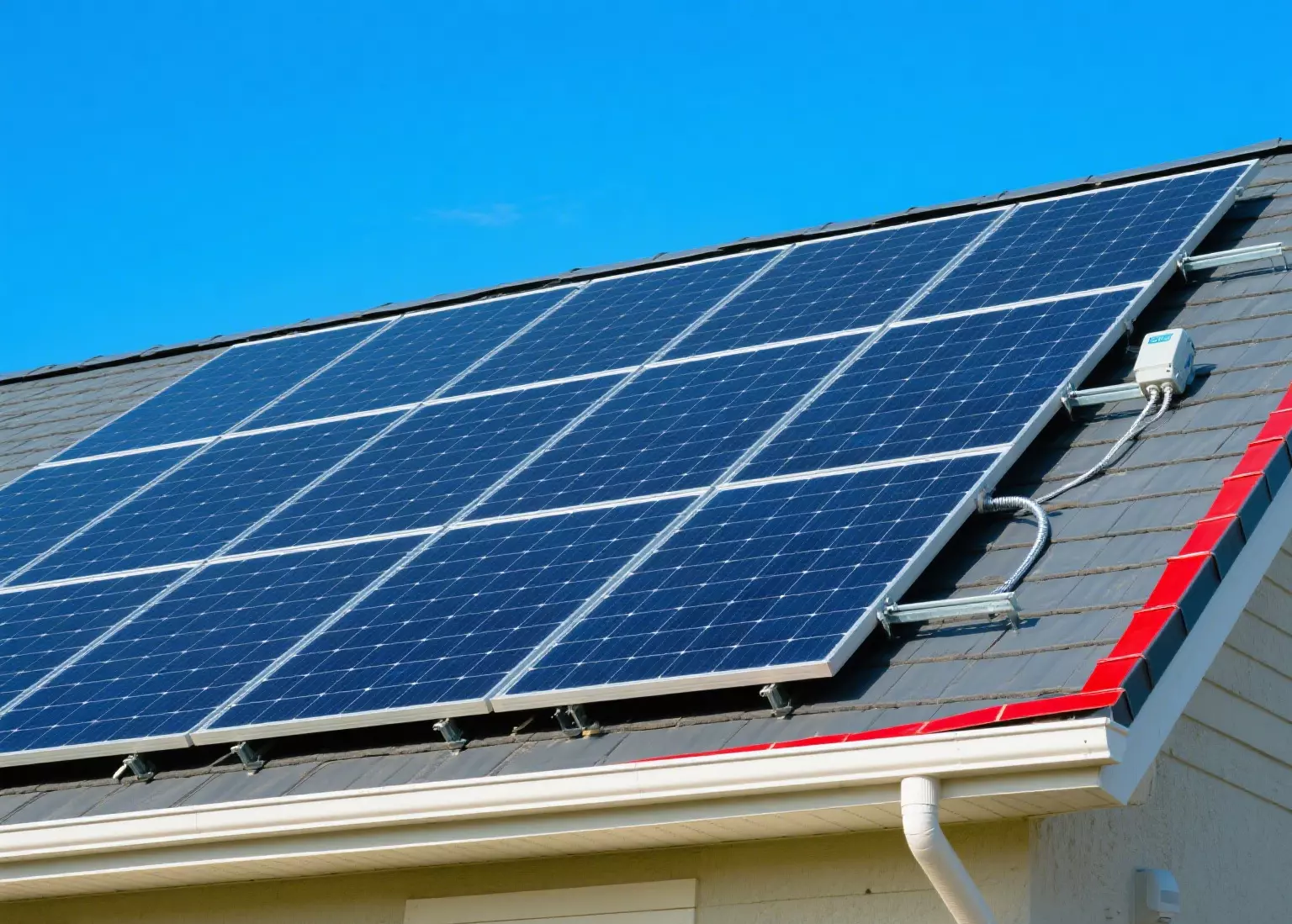
1. Pitched Roof Installation (Glacier Roof)
Pitched roof installation is currently the most common method for home photovoltaics. Solar panels are directly fixed to the roof's slope, matching the roof's angle. This method is aesthetically pleasing and maximizes sunlight, resulting in relatively high power generation efficiency. Installation costs are moderate, but roof maintenance (such as replacing tiles) can be somewhat complex.
2. Flat Roof Installation (Flat Roof)
For homes with flat concrete roofs, flat-mount mounting is an option. This method is simple to install, requires no penetrations in the roof, and avoids the risk of leaks. It also offers ease of maintenance. However, due to the flat angle, additional mounting brackets may be required to adjust the slope for improved power generation efficiency.
3. Integration: Installing Sunroom/Carport Systems
A sunroom (porch) or photovoltaic carport does not only provide some shade but is also an active element in generating electricity, giving it two functions at once. This is a very pleasant multi-purpose solution for remodelling the courtyard, terrace, or parking lot. Its drawback is that it entails a relatively large upfront expense and an expert design staff to ensure its structural integrity and safety.
4. Mounting on the Ground
Whenever roofs are not suitable (e.g., low loading capacity or orientation is inappropriate), ground installation becomes feasible. There is no limitation to orient solar panels in any direction; along with that, they get maximum power efficiency and are easier to clean and maintain. They will orgasm some space on the yard and require some land permission, but they are perfect for big houses having huge properties.
5. Integrated Photovoltaic Tiles/Building Photovoltaic Materials (BIPV)
Solar tiles are a recent material that can replace traditional roof tiles in a straightforward manner, combining waterproofing, insulation, and energy generation. They offer an integrated appearance and are suitably adapted to houses with a more upmarket look. They are costly and hard to install and maintain. The variety of brands that come in the market today is limited, and the technology is in the process of being developed.
Why are more and more families interested in "PV + Energy Storage"?
In comparing various installation options, one irrefutable trend is that more and more homes are choosing to install not only PV but energy storage systems too.
The rationale is simple: PV electricity generation is concentrated primarily during the daytime hours, but residential electricity consumption often occurs at night. Without energy storage, daytime excess electricity must be fed into the grid and withdrawn at night. Energy storage, however, reserves excess day-time electricity for use in high evening power hours and saves electricity bills again and again and ensures uninterrupted power supply during power outages.
Huijue Group's energy storage devices demonstrate outstanding strengths in this area:
- High Safety: Modular and multi-protection design ensures secure residential application of electricity;
- Intelligent: Allows real-time monitoring and management of energy and flexible scheduling of power based on residential electricity consumption patterns;
- Substantial Economic Value: Dramatically increases the proportion of self-generated PV self-consumed, reduces grid dependence, and speeds up payback time;
- Easy Installation: Compact size and footprint, flexible to fit different family situations, and simple maintenance. The "photovoltaic + energy storage" solution is fast emerging as a perfect choice for home users, allowing clean energy to actually deliver real convenience and value to life.
How to choose the right solution for you?
Choosing a suitable home photovoltaic solution requires diligent consideration of the following factors:
- Roof type: Sloping installation is best with sloped roofs, while flat roofs are ideal for adjustable bracket angles.
- Budget: Ground-mounted brackets and sloping roofs are less expensive, while photovoltaic tiles and sun awnings are more of an initial investment.
- Electricity demand: Households with high daytime electricity demand can choose regular photovoltaics, and households with high nighttime electricity demand are more suitable for "photovoltaic + energy storage."
- Maintenance ease: Ground-mounted systems are the easiest to maintain, and photovoltaic tiles are more complex to repair.
Home photovoltaics are not only a way of saving money on your electricity bill, but also an investment in the future of sustainability. As energy storage technology matures, the value of photovoltaic systems is further increased. Huijue Group is committed to working with more families to bring photovoltaics and energy storage to every home and promote green living together. Contact us for an inquiry!