It is no coincidence that the 5kW solar system is popular among many home solar configurations. Its power range just covers the daily electricity needs of most families: it can drive refrigerators, air conditioners, washing machines, and other major electrical appliances, and will not increase unnecessary investment due to excessive capacity. For users who want to reduce electricity bills and improve energy independence, but are not sure how much power to start with, 5kW is almost a "just right" choice.
More importantly, the 5kW system has achieved a relatively ideal balance between cost, installation difficulty, and output efficiency. Whether it is a new user who installs photovoltaics in the whole house or a family who wants to upgrade the existing system, 5kW is often regarded as the most cost-effective power segment with the shortest return cycle.
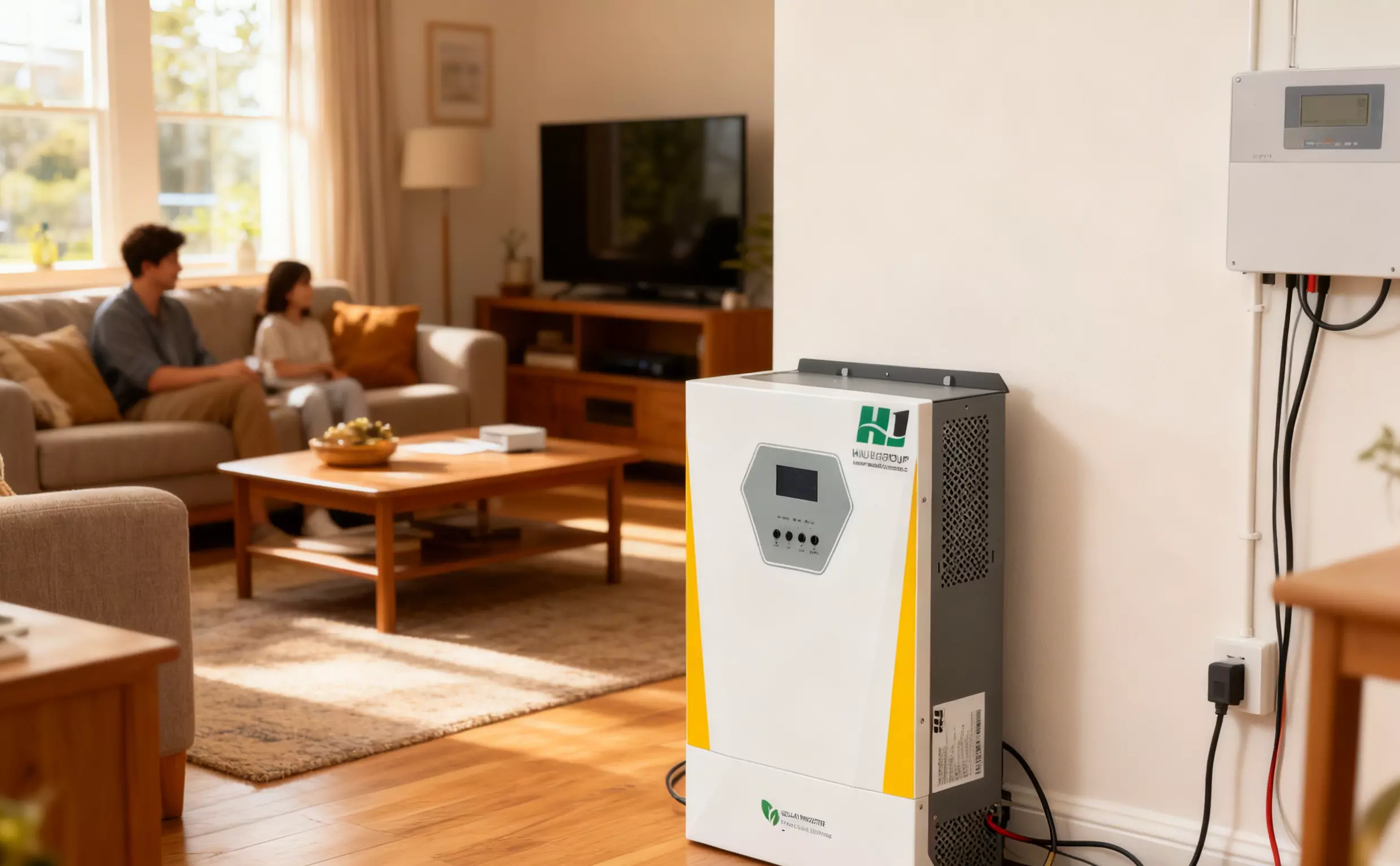
I. What electrical appliances can the 5kW solar system actually drive?
One of the most concerned questions for many users when planning solar energy is: "Is the 5kW system enough?" Judging from the actual situation, 5kW is a medium power segment that is very suitable for most families, which can cover the main loads in daily life. As long as the electricity is distributed reasonably, it can stably support the following equipment:
1. Continuous operation of basic household appliances
- Refrigerator (150–300W)
- TV set (80–150W)
- Small electronic devices such as routers and computers (20–100W)
- LED lighting system (about 50–150W for the whole house)
The power consumption of these devices is stable, and the 5kW system can be fully supported all day.
2. Periodic use of common high-power equipment
- Washing machine (500–1000W)
- Microwave oven (800–1200W)
- Rice cooker, electric kettle (800–1500W)
- Vacuum cleaner (600–1200W)
This kind of device is a short-term high-power device. As long as not all high-power devices are turned on at the same time, the 5kW system can easily cope with it.
3. Large-load equipment such as air conditioning and hot water systems (depending on the region and model)
- 1 horsepower split air conditioner: 700–1200W
- Small heat pump water heater: 700–1500W
During the period of sufficient sunshine, the 5kW system can maintain the stable operation of 1–2 of these devices. If it is combined with energy storage batteries, it can effectively buffer peak electricity consumption.
Ⅱ. How much electricity can a solar system generate? Including income analysis
Before really planning a solar system, it is very important to understand "how much power can be generated" and "how much can be saved every year". Although the sunshine conditions vary in different regions, the power generation performance of 5kW photovoltaic systems can be roughly estimated by the average.
1. How much electricity can be sent in a day?
In most countries and regions, the average daily power generation of 5kW solar systems is about:
- 15–25 kWh/day (depending on the number of daylight hours, ambient temperature, and component orientation)
For example: areas with better sunshine (such as California and Australia) can easily reach 20-25 kWh; in areas with more general sunshine, it can also be maintained at 15–18 kWh.
2. How much electricity can be released in a year?
Calculated according to the average:
- The annual power generation capacity of the 5kW system is about 5,000–8,000 kWh
- In high-sunshine countries, the annual power generation is more likely to exceed 9,000 kWh.
3. How much money can you save for your family?
Cost savings = annual power generation × local electricity price
Based on the typical residential electricity price of $0.12–$0.25/kWh, the 5kW system can save annually:
- $600–$2,000 USD/year
Savings in high-priced areas (such as Germany, Italy, and Australia) are more obvious, which can achieve:
- $1,500–$2,500/year
4. Return on Investment Cycle (ROI)
Take the system price of $5,000–$8,000 (including inverter and basic installation) as an example: The return cycle is about 3–6 years. With the rise of electricity prices, the return on capital will be further accelerated. If energy storage batteries are superimposed, the income can be further improved by cutting peaks or selling electricity to the grid.
III. 5kW cost composition of solar system (component + inverter + installation labor)
The total price of a 5kW solar system usually consists of three major parts: the cost of solar modules, the cost of inverters, and the cost of installation and construction. There are slight differences in the prices of different countries and brands, but the overall structure is basically the same.
1. The cost of solar modules
Solar modules account for the highest proportion of the whole system, generally accounting for 40%-55% of the budget.
Factors affecting the price include:
- Component types: single crystal, PERC, N-type TOPCon, double glass, etc.
- High or low conversion efficiency (the higher the efficiency, the more expensive the price of a single tile)
- Brand and quality assurance (Tier 1 brands are usually more expensive but more reliable)
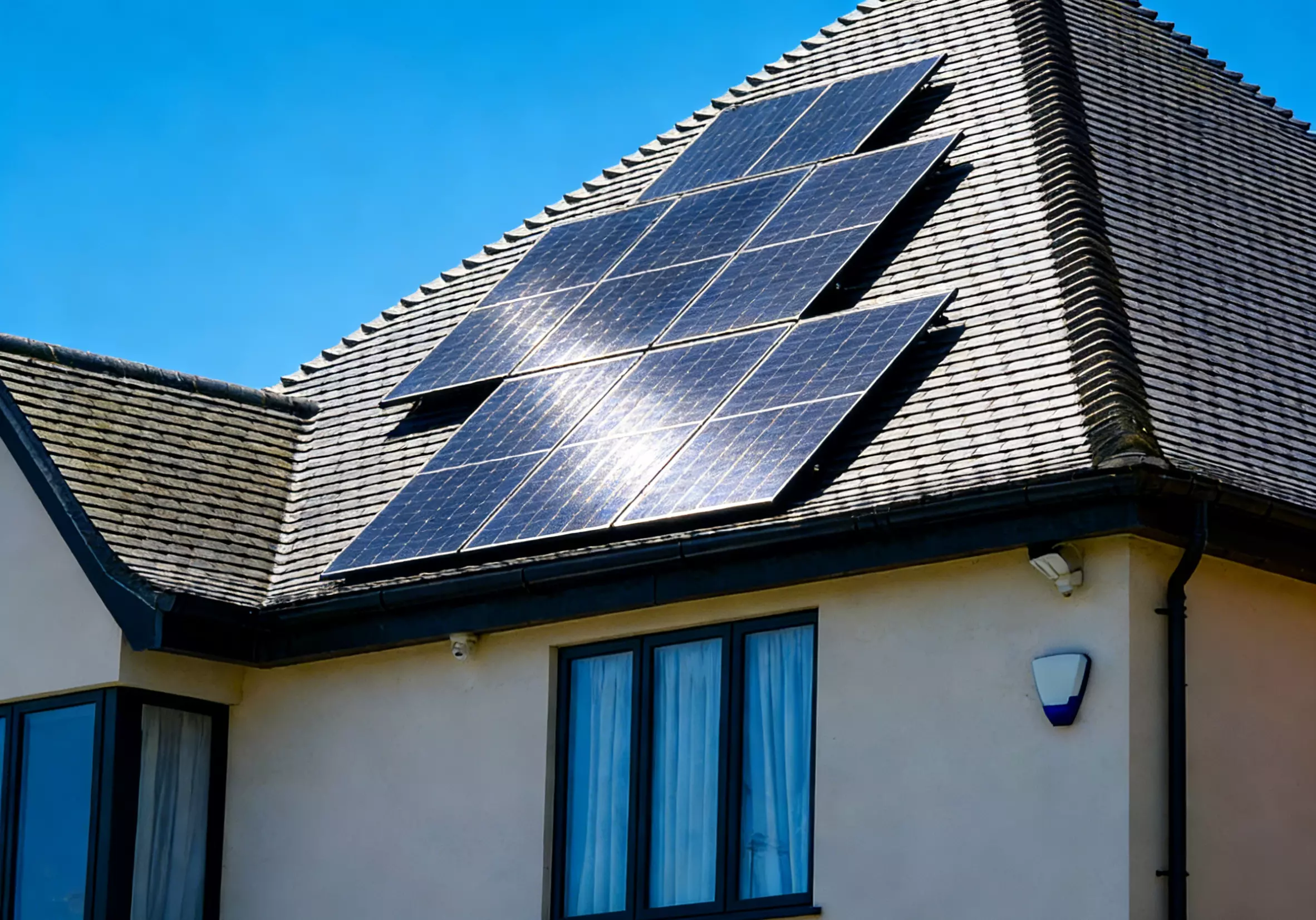
Take the current market as an example, a 5kW system usually requires 10–12 450W–550W panels, and the cost of the component part is usually $2,000–$3,000 (or equivalent).
2. Inverter cost
As the brain and core control unit of the system, the inverter accounts for about 20%-30% of the cost.
The common types of inverters in 5 kW solar system include:
- Grid-inverter
- Hybrid inverter (can add energy storage)
- Off-grid inverter
The price difference mainly comes from whether it has energy storage function, brand, heat dissipation structure, and intelligent management ability. If the battery is planned to be installed in the future, it will be more flexible to choose a 5kW hybrid inverter.
3. System installation and labor costs
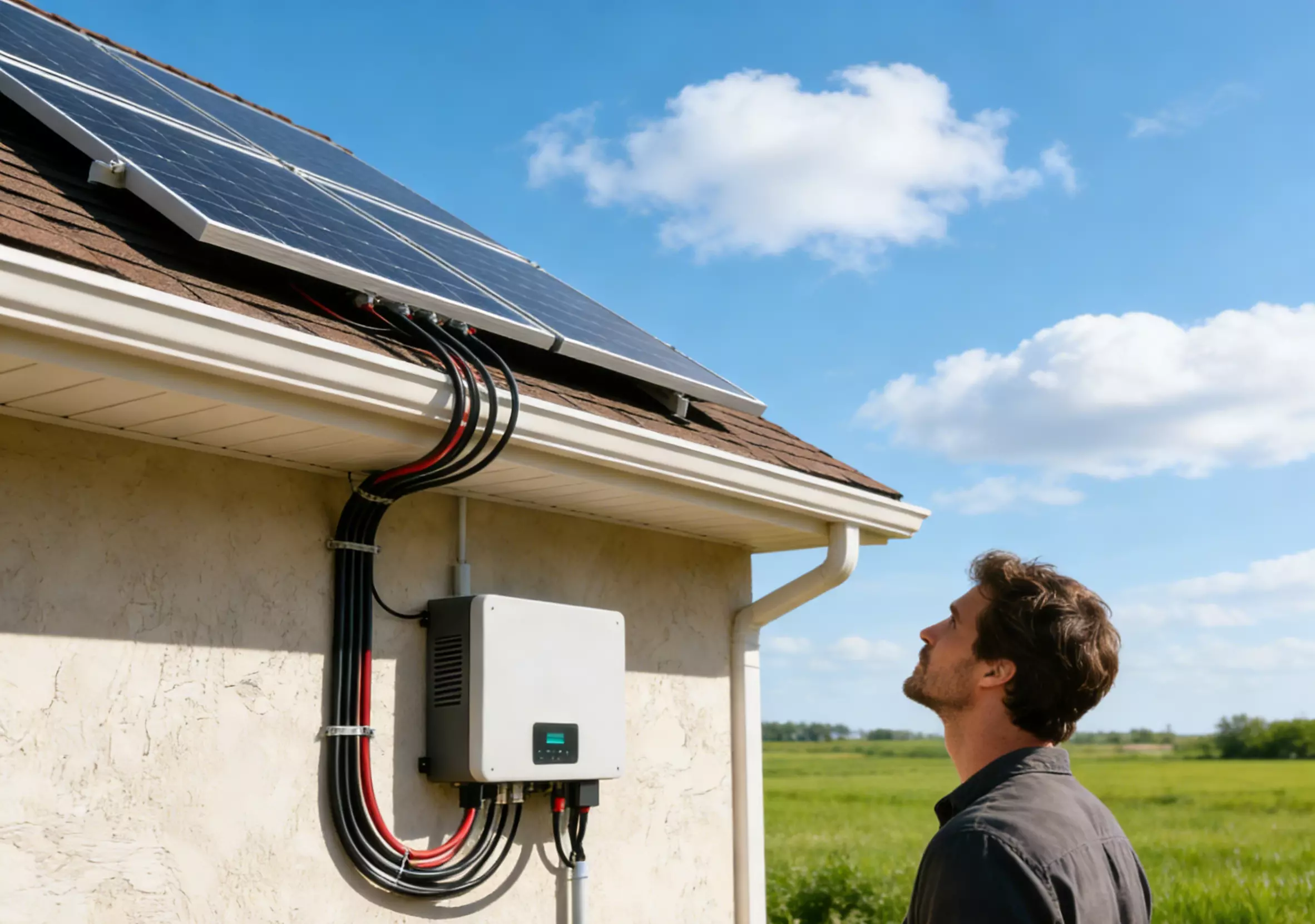
Installation and construction include brackets, cables, lightning protection equipment, network connection procedures (if necessary), and other contents, and the cost accounts for 20%-30% of the total budget.
The cost will be affected by the following factors:
- Roof type (the cost of tile, metal, and flat roof is different)
- Difficulty of engineering (angle, load-bearing, wiring length)
- Regional labor cost level
- Do you need additional reinforcement or optimized orientation?
Usually, the installation cost of a 5kW system ranges from $1,000 to $2,500.
Reference range for total system cost of 4.5kW
| Item | Typical Cost (USD) |
|---|---|
| Solar Panels | $2,000 – $3,000 |
| Inverter | $600 – $2,000 (varies by type) |
| Installation + Materials | $1,000 – $2,500 |
| Total | $3,600 – $7,500+ |
Costs may fluctuate depending on factors such as region, component efficiency, and whether tax subsidies are included.
IV. Suggestions for battery energy storage for 5kW systems
1. Determine the energy storage capacity
Target capacity: It is recommended that the energy storage battery capacity can cover at least 1–2 days of expected power consumption. For example, if your 5kW solar system generates 20 kWh per day and you want to have a backup at night or on a cloudy day, you can consider the energy storage capacity in the range of 20-40 kWh.
2. Select the battery type
- Lithium iron phosphate (Li-FePO4): cost-effective, safe, and long cycle life, it is the most commonly used type of home photovoltaic energy storage.
- Ternary lithium batteries (such as NMC/NCA): higher energy density and smaller size, but more difficult to manage.
- Lead-acid battery (deep cycle board): low entry cost, but large size, safety, and service life are weaker than lithium batteries, and are generally not recommended for long-term large-capacity energy storage.
3. Configure the voltage system
- 12V / 24V system: suitable for small energy storage (low capacity) off-grid system.
- 48V system: more suitable for energy storage groups with large capacity (more than 10 kWh), with higher efficiency and lower current loss.
- Parallel or serial combination: If you plan to expand the capacity later, you can select multiple battery parallel groups according to the inverter and BMS support to expand the capacity flexibly.
4. Battery Management System (BMS)
- Intelligent BMS is very important: it can monitor the battery voltage, temperature, current, etc. to avoid overcharging and overdischarging, which is very important for improving battery life.
- Communication capability: Choose BMS with RS-485, CAN, or Bluetooth/Wi-Fi, which can be integrated with inverters and monitoring systems to realize real-time monitoring and alarm.
Examples of actual recommended configuration (for reference)
- Small capacity solution: 10 kWh Li-FePO4 (e.g. 48V) + intelligent BMS → suitable for night/emergency backup power supply only
- Medium-capacity scheme: 20–30 kWh Li-FePO4 + hybrid inverter + BMS → suitable for most home off-grid or semi-off-net applications
- High-capacity/extension scheme: multiple 48V modules (such as 2 × 15 kWh) + BMS with communication function → leave enough margin for future panel or load
V. How to choose a suitable 5kW solar inverter
Choosing an inverter is like choosing a "brain" for the system. Choosing a little better can improve efficiency, stability, and subsequent capacity expansion flexibility. The following are the factors that need to be considered when choosing a 5kW solar inverter + several good model recommendations.
Key considerations
- System type (networked/off-network/mixed): If your system only sells electricity back to the grid or reduces the power buyback, choose a grid-tie inverter. If you want to install an energy storage battery and can also connect to the power grid or use electricity after the network is disconnected, choose a hybrid inverter. When it is not connected to the city power at all and is purely powered by solar energy + battery, off-grid inverters should be considered.
- Maximum DC input voltage & MPPT number: Determine the DC voltage range that the inverter needs to support according to your panel series combination. The wider the input range, the more flexible it is. Multiple MPPT (Maximum Power Point Tracking) can make different series of solar panels work more efficiently.
- Power ratio: The ratio of the recommended inverter power to the total power of the panel is 75%-115%. It is recommended to use a ratio of ~1:1.15, so that the inverter is more efficient during the day and can avoid the waste caused by over-configuration.
- Battery compatibility: If you use an energy storage battery, please confirm whether the inverter supports your battery type (lithium/lead-acid).
- Efficiency and protection: High output efficiency, low standby power consumption, and more power-saving. The protection level and heat dissipation performance cannot be ignored. In outdoor or high-temperature environments, consider models with good temperature control or dustproof and moisture-proof characteristics.
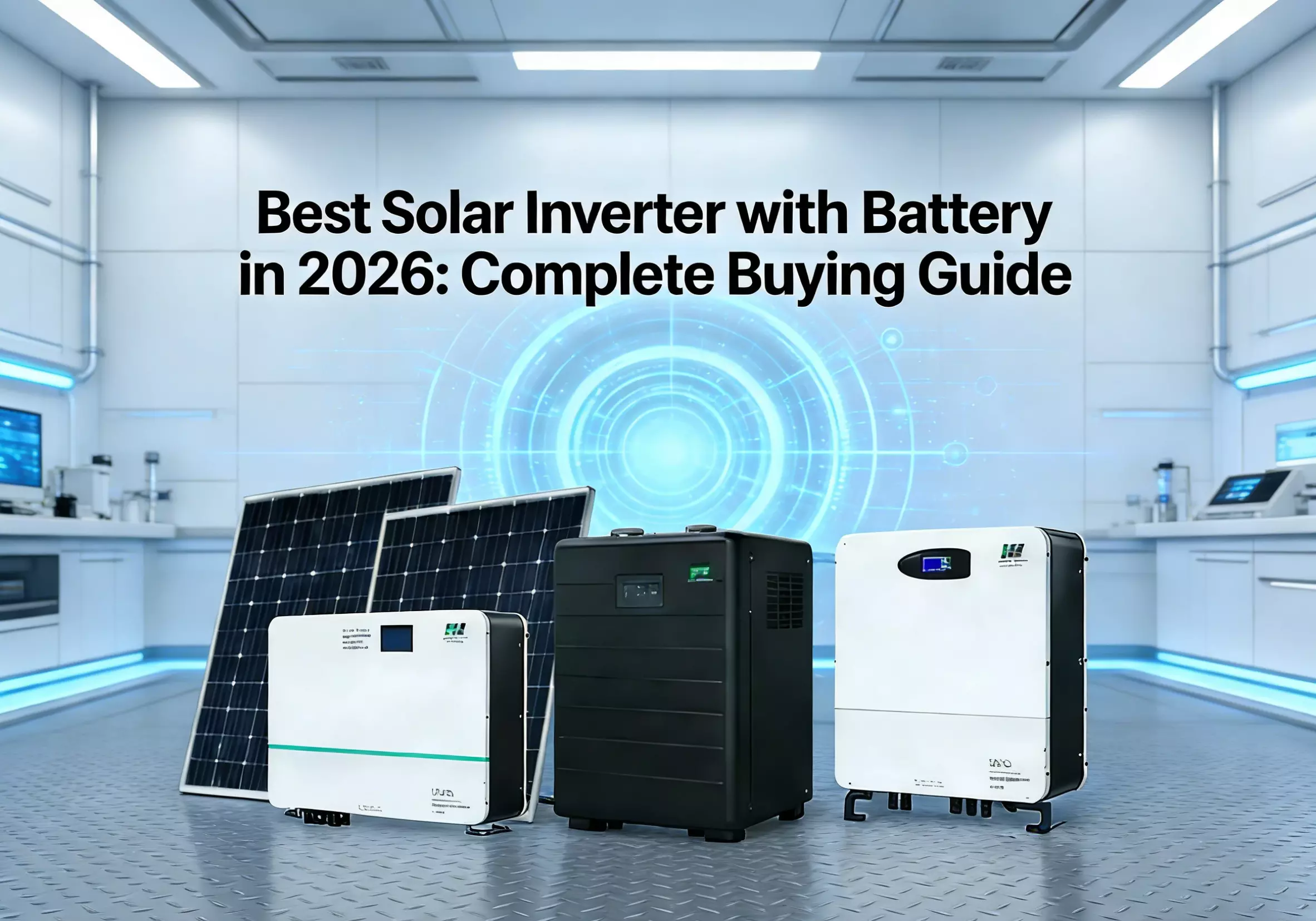
Here are some recommended 5kW photovoltaic inverters (suitable for residential and small commercial use):
- 5kW Household Grid-tie Solar Inverter: High efficiency, suitable for pure grid-connected systems.
- 5kW Hj-HlH48 Hybrid Solar Inverter: The integrated design includes MPPT and energy storage functions.
- 5kW Energy Storage Off-Grid Solar Inverter: Suitable for 48V batteries and off-grid systems.
- 5kW single-phase off-grid inverter: Suitable for off-grid energy storage systems.
VI. Is the 5kW solar panel system worth installing?
For most home users, the 5kW solar system is undoubtedly a cost-effective investment with a short return cycle and long-term stable return. First of all, it can cover about 60%-90% of the daily electricity consumption of typical families, especially in areas with good sunshine conditions, which can significantly reduce electricity expenditure. As electricity prices continue to rise, the higher the proportion of spontaneous self-use, the more obvious the amount saved will be.
Secondly, the components, inverters, and installation costs of the 5kW system are all within the mainstream range of the market. The overall budget is controllable, the maintenance cost is low, and the service life can reach more than 25 years. With the appropriate battery energy storage scheme, you can continue to use the electricity stored during the day at night, so as to further improve the energy independence of the family and reduce dependence on power grid fluctuations.
From cost recovery, stable output to future scalability, the 5kW solar system is almost suitable for most ordinary families, and it is one of the most worthwhile home photovoltaic power segments at present.
VII. Frequently Asked Questions (FAQ)
Q1: How many solar panels does a 5kW system need?
A: About 8–12 pieces (depending on the power of 450–600W per piece).
Q2: Can the 5kW system drive a family?
A: Most medium-sized families have enough electricity for daily use.
Q3: What is the space requirement?
A: About 25–35 square meters of roof area.
Q4: How long does it take to install?
A: Generally 1–3 days.
Q5: How to choose network access, off-network, and hybrid?
It depends on the stability of the power grid and the need for energy storage.
Ⅷ. Conclusion
The 5kW solar system has become the most popular system specification for families around the world because of its moderate cost, stable output, and wide range of application. The advantage of the "golden power segment" is that it can not only meet the needs of household electricity but also does not have an excessive budget. It is the best entry-level solution to achieve energy independence.
If you want to choose an ideal inverter suitable for home, farm, or small business scenarios, welcome to contact us for a quotation to learn more about the system configuration scheme.