Introduction
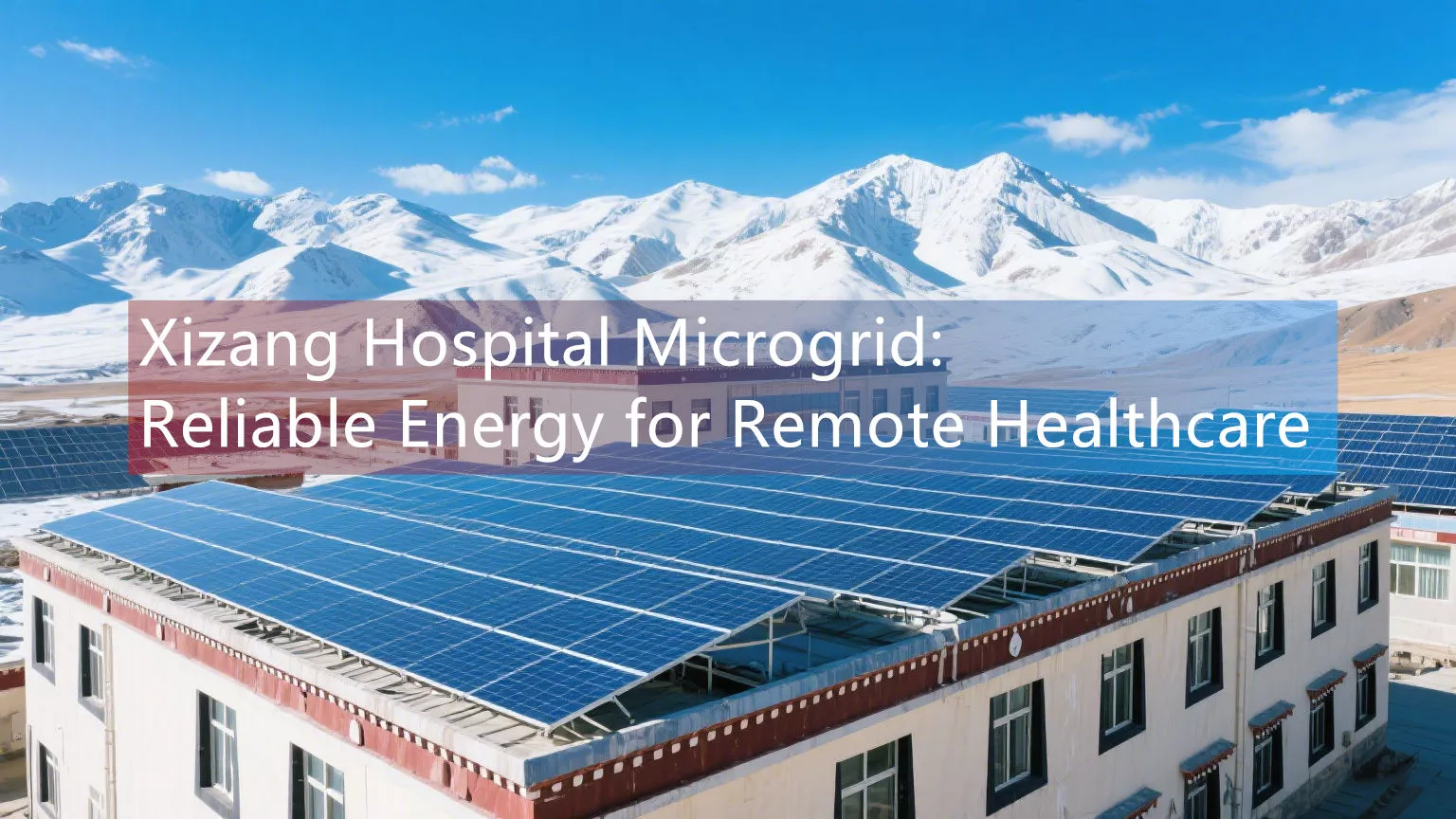
In Xizang's high-altitude regions, powering hospitals is a real challenge. The traditional power grid is unreliable, and remote locations make it difficult and expensive to bring in energy. Microgrids are a game-changer, offering a way to provide consistent and clean energy by harnessing solar and wind power. In this article, we'll explore how these systems work, their benefits for hospitals, and how they're transforming healthcare in hard-to-reach places like Xizang.
1. Why Are Microgrids Essential for Hospitals in Xizang?
Answer:
Hospitals in Xizang often face unreliable or even non-existent connections to the power grid. This is where microgrids come in:
Reliable Power: Microgrids work independently from the main grid, ensuring hospitals can continue functioning without interruptions, even in remote areas.
Sustainability: These systems use renewable energy sources like solar and wind, which are abundant in high-altitude regions.
Cost-Effective: Once installed, microgrids can save hospitals money by reducing their reliance on expensive fuel or unreliable electricity supplies.
2. How Do Microgrids Meet the Power Demands of Xizang Hospitals?
Answer:
Hospitals need a consistent and reliable power supply, especially for critical systems like medical equipment, lights, and ventilation. Microgrids are designed to:
Match the Hospital's Energy Needs: By integrating solar and wind energy with energy storage, microgrids can meet a hospital's power demands 24/7.
Adapt to Local Conditions: Xizang's sunny days and windy conditions make it ideal for solar and wind energy, allowing hospitals to generate and store power locally.
3. What Technical Features Should Be Considered for Xizang Hospital Microgrids?
Answer:
When selecting a microgrid system for a hospital, it's important to compare key specifications:
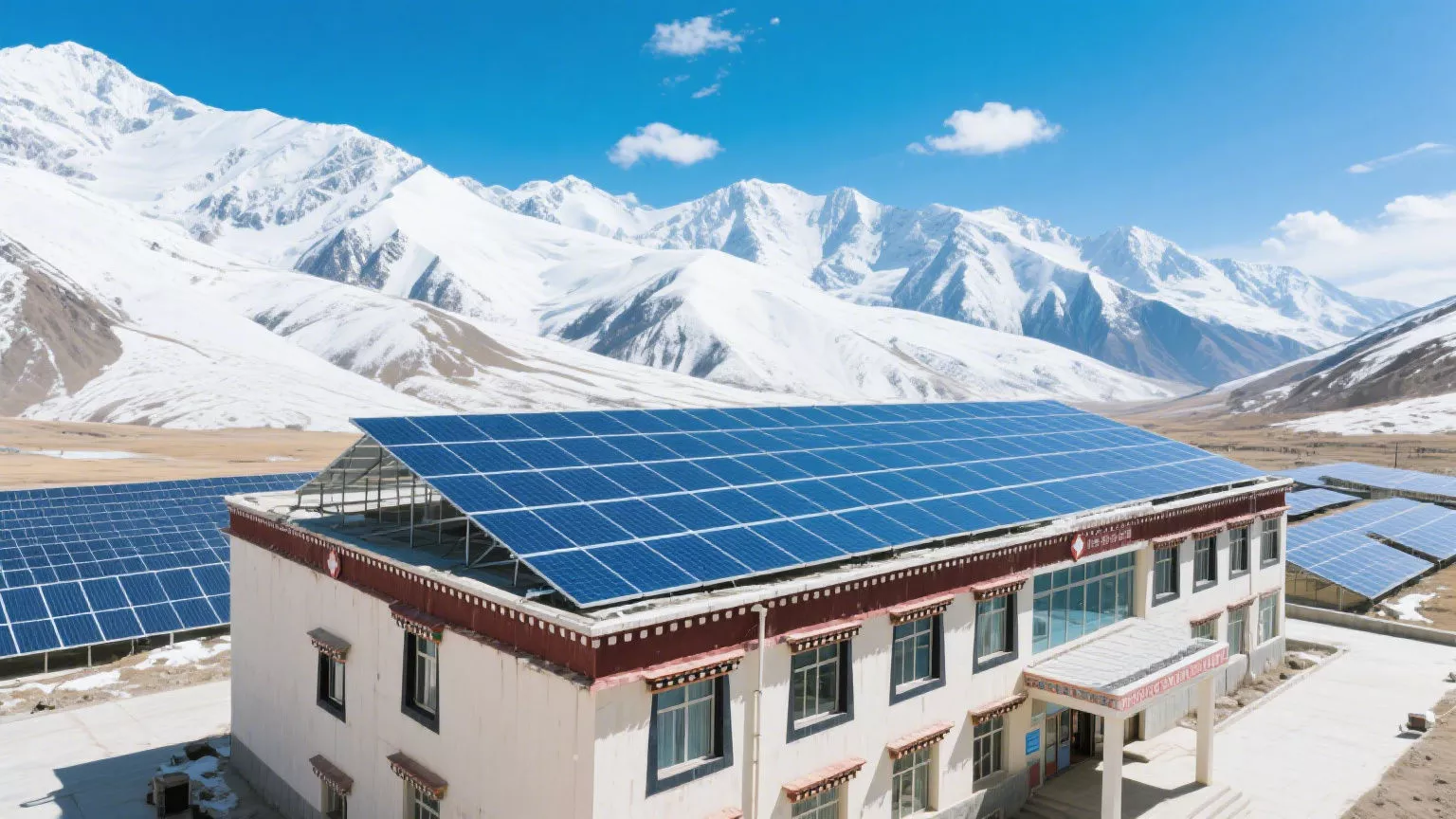
Energy Capacity: A typical Xizang Hospital Microgrid might need anywhere from 50 kW to 500 kW of power, depending on the size of the facility.
Energy Storage: Batteries play a crucial role in storing power for use when the sun isn't shining or the wind isn't blowing.
Container Size: Microgrid systems are often housed in compact containers (around 10-20 feet in length), making them perfect for remote locations.
Backup Power: While the goal is to rely on renewables, diesel generators are sometimes included for backup during extreme weather or long periods without sun or wind.
4. How Are Xizang Hospital Microgrids Applied in Real Life?
Answer:
Microgrids have been successfully deployed in a variety of hospital settings in Xizang and other remote areas:
Remote Hospitals: In places where grid connection is impossible or unreliable, microgrids provide a reliable energy source for medical equipment, lights, and ventilation.
Disaster Relief: In the event of natural disasters, microgrids can be rapidly deployed to ensure hospitals stay operational and continue providing care.
Cost Reduction for Rural Clinics: Smaller clinics can also benefit by lowering their energy costs, making them more self-sufficient and sustainable.
Example:
In 2024, a hospital in Xizang Autonomous Region installed a solar-powered microgrid, which reduced its energy costs by 30%. The system provided reliable power for critical operations, even during extreme weather.
5. What After-Sales Support Comes with Xizang Hospital Microgrids?
Answer:
Having strong after-sales support is key to keeping a microgrid running smoothly. Here's what you can expect:
24/7 Technical Support: Hospitals can reach out at any time for troubleshooting or advice.
Warranty: Microgrid systems typically come with a 5-10 year warranty to ensure long-term performance.
Local Service: If any issues arise, a local team can usually provide assistance within 24 hours, ensuring minimal downtime.
6. What Are the Core Benefits of Microgrids for Xizang Hospitals?
Answer:
The main advantages of adopting a Xizang Hospital Microgrid are:
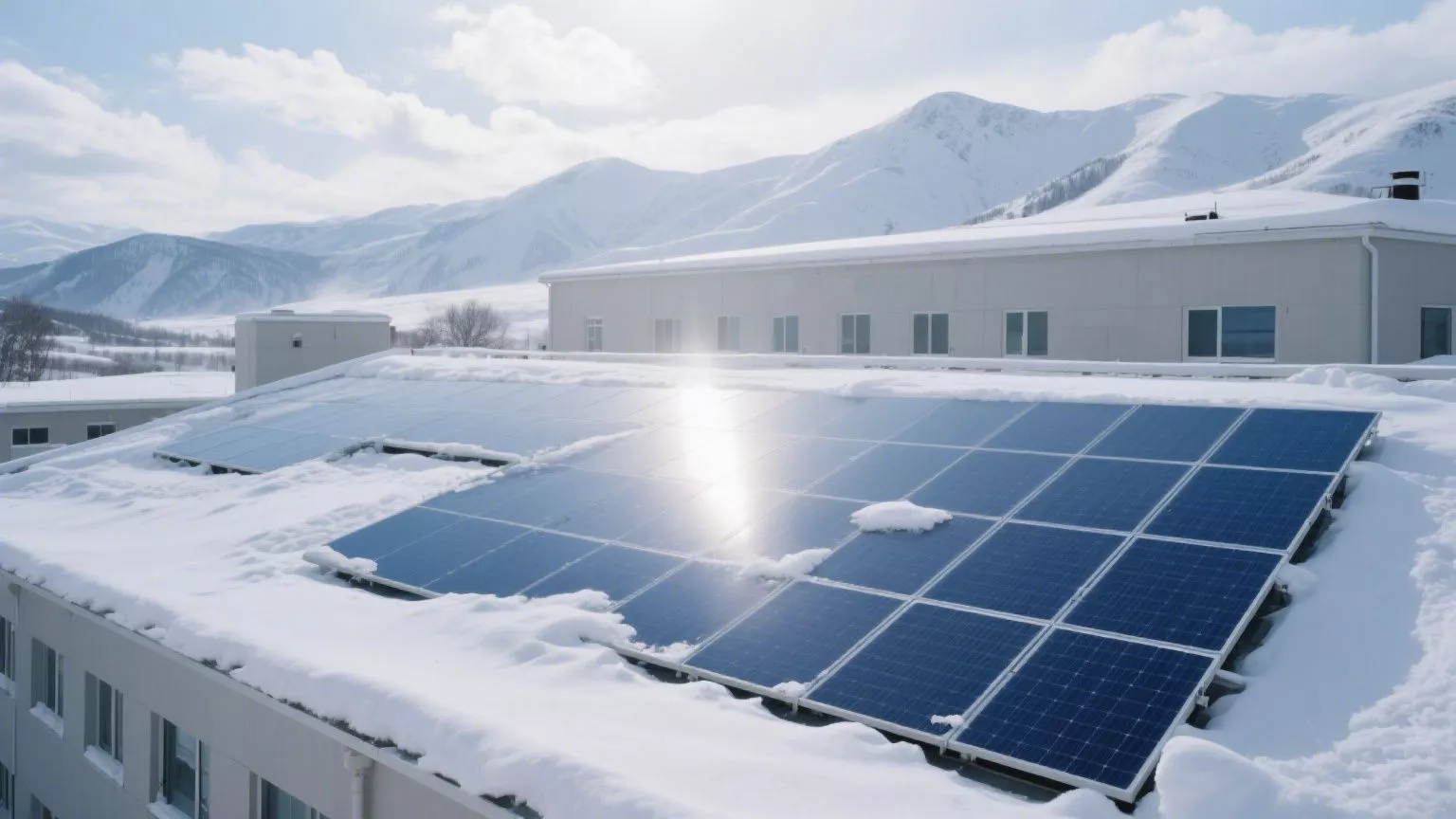
Reliability: Hospitals can stay powered even during power outages or grid instability.
Sustainability: Microgrids help reduce the hospital's carbon footprint by using clean energy from local sources.
Cost Savings: Over time, the cost of energy is significantly lower than relying on traditional energy sources like diesel or grid power.
Energy Independence: Hospitals no longer have to rely on external energy sources, making them more self-sufficient.
Call to Action:
If you're looking to improve your hospital's energy reliability and sustainability, consider a Xizang Hospital Microgrid solution. Explore HuiJue's energy storage systems for more information: HuiJue Products.
7. Frequently Asked Questions (FAQ)
Q1: Can a microgrid work independently from the national grid in Xizang Autonomous Region?
A1: Yes, microgrids are designed to operate off-grid, meaning they don't need to be connected to the national grid to provide power.
Q2: How long do microgrid systems last?
A2: With regular maintenance, a well-designed microgrid system can last 10-20 years, depending on the quality of the equipment and the environment.
Q3: Are there any financial incentives for installing a microgrid in Xizang?
A3: Yes, there are often government subsidies or incentives available for renewable energy projects, especially in remote or underserved regions.
Q4: How long does it take to install a microgrid in a hospital?
A4: Installation can take anywhere from 3-6 months, depending on the size of the hospital and the complexity of the system.