As the lightest of all metals, lithium is a core raw material for lithium-ion batteries, which not only power the development of electric vehicles but also help energy storage systems in homes, businesses, and industries. However, despite being the world's largest lithium consumer, the United States' domestic lithium mining accounts for only about 1% of global annual production. This contradiction has made the question of whether the United States should expand lithium mining a hotly debated topic.
The Current State of Lithium Resources and Policy Background in the United States
Currently, the only operating lithium mine in the United States is the Silver Peak Mine in Nevada, which primarily extracts lithium from brine. However, driven by the popularity of electric vehicles and clean energy policies, future lithium demand in the United States is expected to increase significantly. While some politicians advocate for expanding domestic mining, the Biden administration prefers to rely on lithium supplies from allies such as Canada, Australia, and Brazil. This policy reflects a practical trade-off: on the one hand, the United States needs to ensure supply chain security; on the other hand, domestic lithium mining projects face severe environmental controversy.
Traditional Lithium Mining Methods
Lithium is mined primarily through two methods:
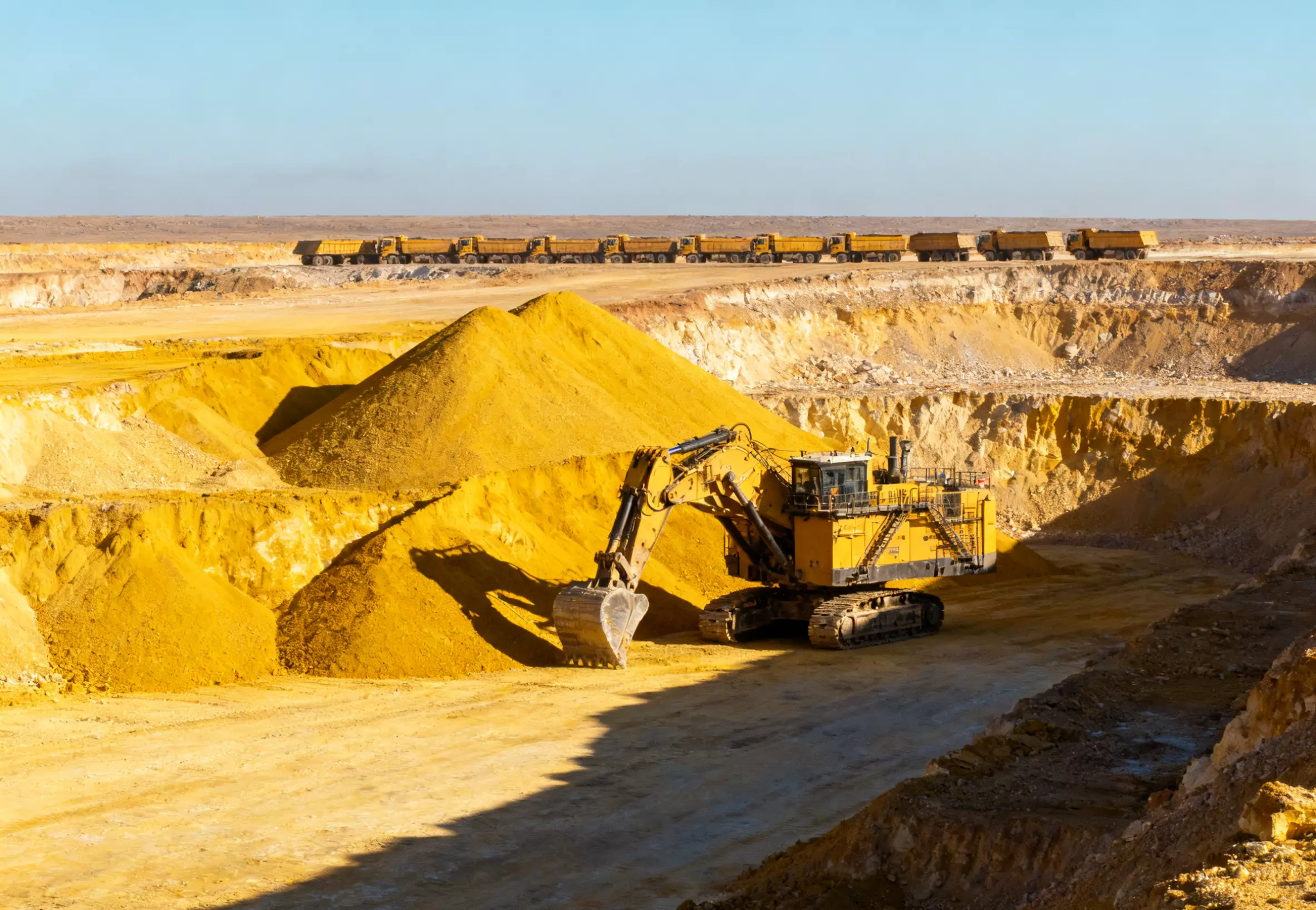
- Hard rock deposits: These are typically igneous rocks and are mined similarly to coal or metal mines, requiring large-scale open-pit or underground operations. This process consumes substantial quantities of water and emits carbon dioxide.
- Brine deposits: These are frequently located in arid areas and use evaporation to extract lithium. While relatively inexpensive, they also place stress on nearby water resources.
Thus, both hard rock and brine mining raise concerns about environmental sustainability, a source of controversy within the United States.
Two Controversial Projects: Thacker Pass and Rhyolite Ridge
Developed by Nevada Lithium, the Thacker Pass mine plans to extract lithium from clay using sulfuric acid. It is expected to produce approximately 66,000 metric tons of battery-grade lithium annually within 41 years, enough to support a large-scale electric vehicle industry. However, key points of controversy include:
- The fast-track approval process lacks a thorough environmental assessment;
- The project could damage ecosystems and threaten endangered species (such as trout and sage grouse);
- Billions of gallons of water will be consumed and groundwater pollution could exceed permitted levels.
Several environmental groups have filed lawsuits, alleging violations of the National Environmental Policy Act and the Federal Land Policy and Management Act.
The Rhyolite Ridge mine, funded by the Australian company Ioneer Ltd., plans to extract lithium and boron from sedimentary rock using sulfuric acid. Its economic advantages are significant:
- The presence of boron as a byproduct significantly reduces costs, potentially making it one of the most competitive lithium mines in the world;
- Over its 26-year lifespan, it is expected to produce 63.8 million tons of lithium, enough to power approximately 400,000 electric vehicles.
However, the project is also subject to significant controversy. Tiehm’s buckwheat, a rare wildflower found only in this area, grows within the mine area. This species is listed as endangered, and scientific agencies estimate its population could decline by 70% to 88% as a result of mining. This puts the project in a difficult position between environmental protection and economic benefits.
Are there more sustainable solutions?
While traditional lithium mining projects in the United States continue to be controversial, the industry and government are exploring more environmentally friendly mining methods:
- Geothermal lithium extraction: California's Salton Sea sits atop a geothermal reservoir, and geothermal steam is rich in lithium. Using novel scrubber extraction technology, lithium can be extracted while generating electricity, balancing clean energy and lithium supply.
- Battery recycling: According to Reuters, the Biden administration plans to promote lithium battery recycling, a measure expected to reduce lithium demand by approximately 25%, thereby reducing reliance on new mining.
These solutions will not only reduce environmental pressures but also promote sustainable development in the US clean energy industry.
The Dual Challenges of Lithium Mining and Energy Storage
Lithium, the "white oil" of the clean energy era, is irreplaceable in driving the development of electric vehicles and energy storage systems. However, domestic lithium mining in the United States is accompanied by environmental controversy, reflecting both the urgency of energy transition and the challenges of sustainable development. For the energy storage industry, lithium supply is closely linked to technological innovation. With the adoption of more environmentally friendly mining methods and battery recycling technologies, lithium batteries and energy storage systems will enter a new era of greener, more efficient energy storage.
Against this backdrop, choosing advanced energy storage equipment and solutions is crucial. Huijue Group is committed to providing customers with high-performance, long-life energy storage systems for a wide range of applications, including homes, commercial and industrial applications, and large-scale energy projects. Please feel free to contact us.