1. Addressing Renewable Energy Challenges
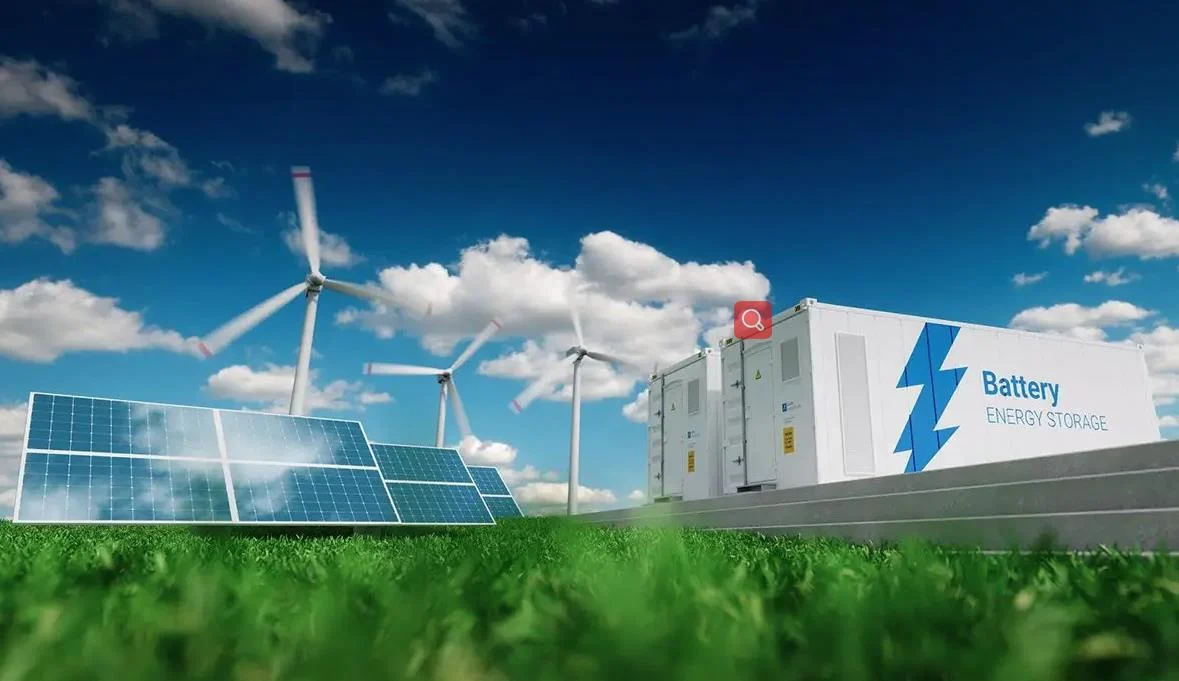
Solar and wind energy are inherently variable—sunlight and wind availability fluctuate, creating inconsistent energy output. Battery Energy Storage Systems (BESS) solve this issue by capturing excess energy during peak production and dispatching it during demand peaks or low generation periods. This ensures energy reliability and reduces grid disruptions.
2. Strengthening Grid Stability and Ancillary Services
Modern lithium-ion storage systems respond within milliseconds, providing frequency regulation, voltage control, and black-start capabilities. Utilities benefit from enhanced reliability, fewer blackouts, and efficient backup power, making BESS a cornerstone of modern grid architecture.
3. Enabling Energy Cost Savings with Peak Shaving
By storing electricity during off-peak hours when prices are low and using or selling it during peak demand, businesses and homeowners can significantly reduce energy bills. This practice, known as peak shaving, also reduces dependence on costly fossil-fueled “peaker” plants.
4. Enhancing EV Charging Infrastructure
As EV adoption accelerates, battery systems integrated with charging stations help prevent grid overloads and support fast, uninterrupted EV charging. This ensures that electric vehicles can scale without straining existing infrastructure.
Why Lithium-Ion Batteries Lead Energy Storage
⚡ High Energy Density & Compact Size
Lithium-ion batteries offer 150–250 Wh/kg, making them much more compact than traditional chemistries. This makes them ideal for residential, commercial, and transportation applications.
⚡ Fast Charging & High Efficiency
Modern systems support fast charging with over 95% round-trip efficiency, ensuring minimal energy loss and quick recharge cycles.
⚡ Long Life Cycle & Low Maintenance
Top-tier lithium batteries can last 15+ years or over 7,000 cycles. LFP cells from brands like CATL boast up to 13,000 cycles with 65% capacity retention. They are also modular and scalable with minimal maintenance.
Environmental & Economic Benefits
♻️ Resource Management & Battery Recycling
Advanced recycling techniques recover up to 95% of materials like lithium and cobalt, creating a sustainable closed-loop system that reduces the environmental impact of mining.
📉 Cost Reduction Trends
Battery prices have seen dramatic reductions, dropping to $0.40/Wh in late 2023. The total cost per kWh for BESS installation is now often lower than short-term fossil fuel generation alternatives.
📈 Global Market Expansion
In 2023, global BESS deployment reached 185 GWh, growing 53% from the previous year. Market leaders include China (45%), North America (30%), and Europe (12%). The LFP battery sector alone is projected to double from $8.6 billion (2024) to $16.5 billion by 2031.
Real-World Deployments & Future Innovations
- Rome Airport, Italy: Uses 10 MWh of repurposed EV batteries to support 3,000 homes and cut CO₂ by 16,000 tons/year.
- Bramley BESS, UK: Supplies power for 44,000 homes over 24 hours, driven by 90% lithium battery cost reductions since 2010.
- Global Installations: Over 70 GW of new BESS capacity was added globally in 2024—surpassing fossil fuel plant expansions.
Emerging technologies such as sodium-ion batteries from BYD and gravity energy storage solutions are expected to complement lithium systems and diversify energy storage options.
Conclusion
As clean energy adoption surges, lithium-ion battery storage will continue to be the backbone of a flexible, reliable, and efficient power grid. Whether for homes, businesses, or national utilities, energy storage is not just a trend—it’s a necessity for a sustainable energy future.