Picking the right solar inverter isn't just about the tech specs—it's also a decision that can save you money in the long run. With the continuous development of solar technology, 2025 brings efficient, intelligent systems that help homes achieve greater energy independence, cost savings, and long-term system lifespan. This guide details the key factors to consider when choosing the ideal solar inverter and explains how to make informed decisions to maximize energy savings and return on investment.
Why Choosing the Right Solar Inverter is Crucial for Your Home
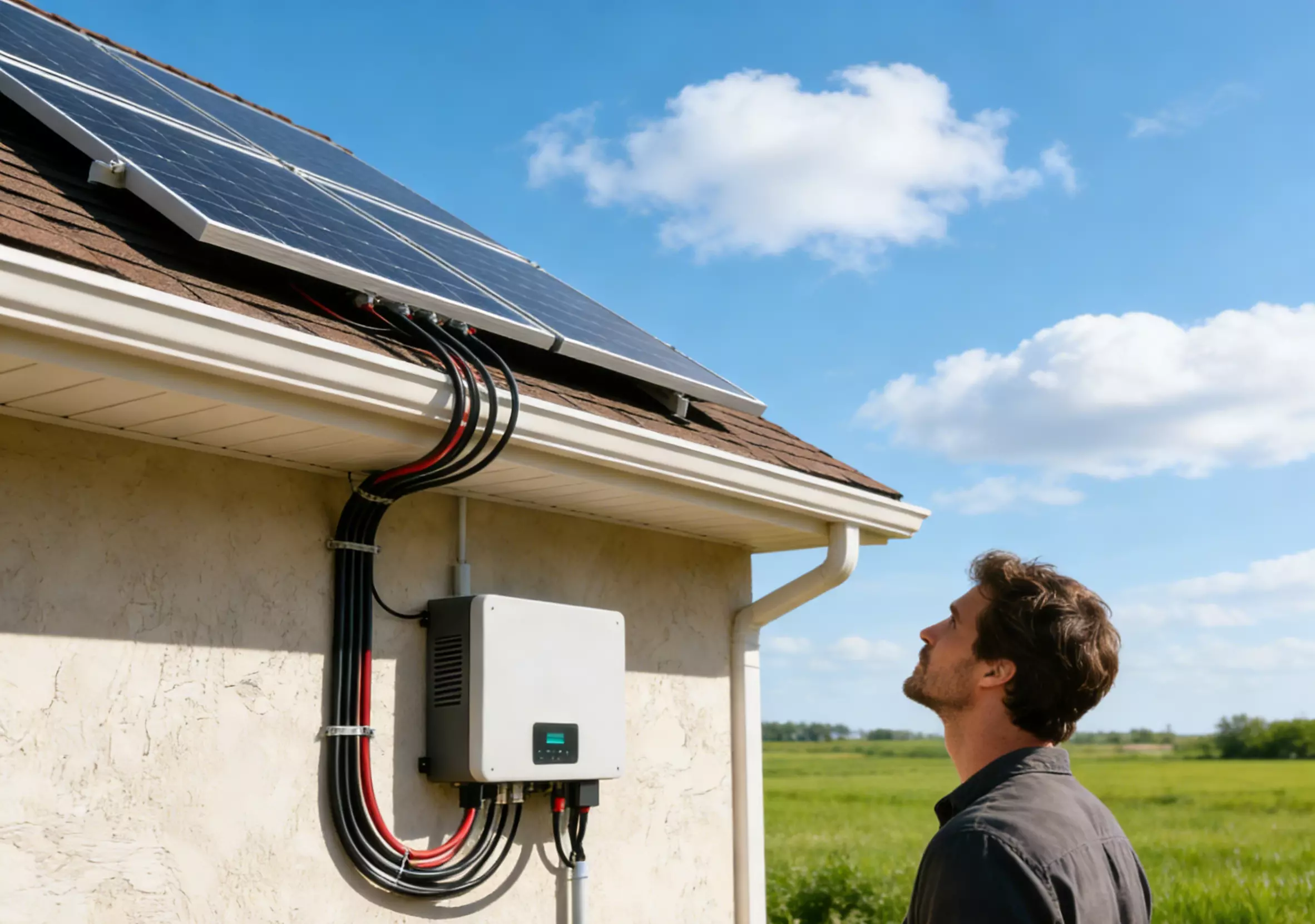
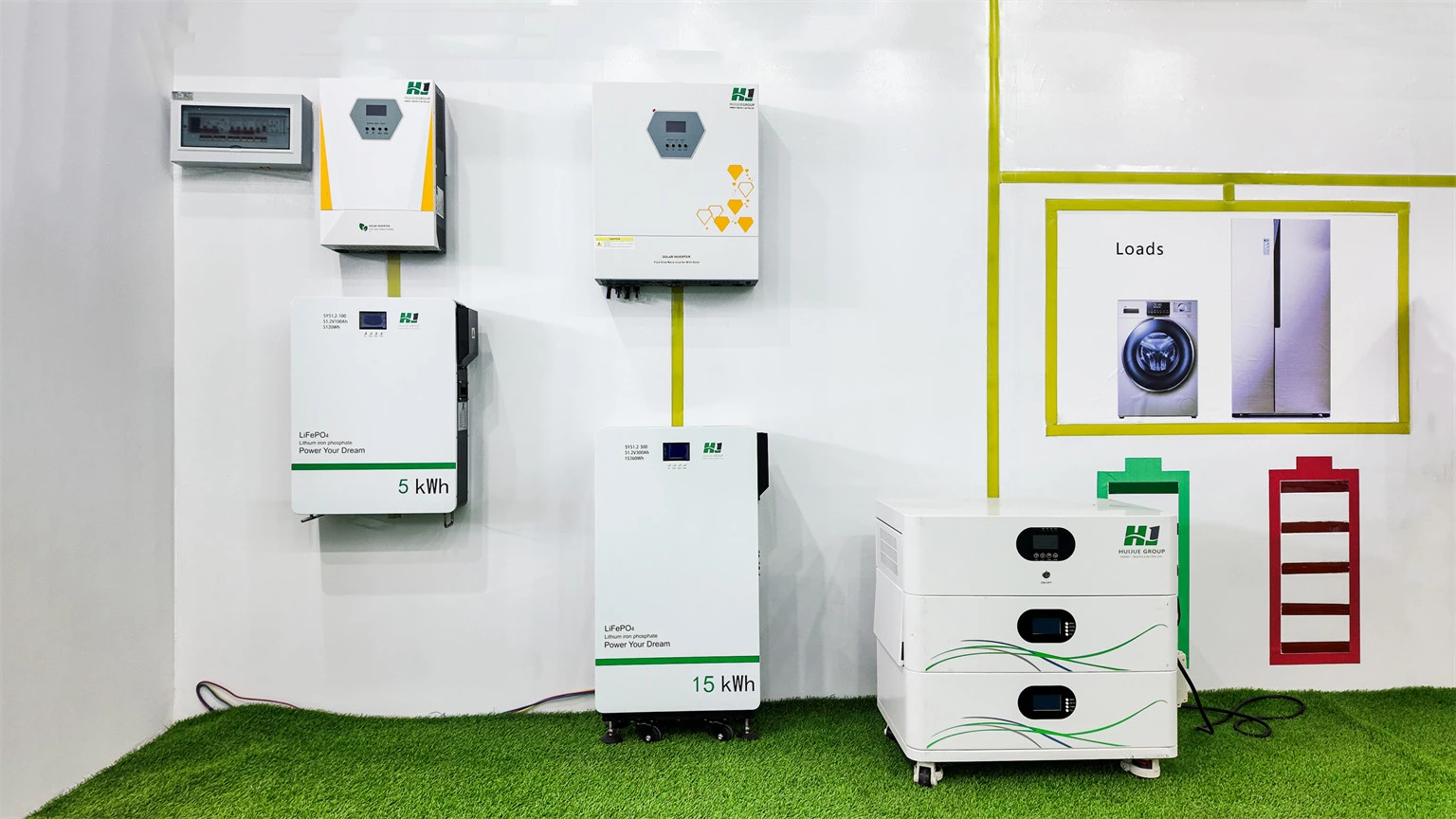
A solar inverter is the core component of a solar system. It converts the direct current (DC) generated by solar panels into alternating current (AC) for home use. Beyond basic power conversion, modern home solar inverters offer intelligent energy management, optimized self-consumption power, and grid integration. A suitable inverter can improve overall system efficiency by up to 15%, helping you get more electricity from the same solar panels, lower electricity bills, and shorten your payback period.
Types of Home Solar Inverters: Which One is Right for You?
Understanding the different types of inverters is crucial when choosing a home solar inverter. Below is an introduction to several common types:
1. Series Inverters: Reliable and Cost-Effective
Series inverters are the most common and widely used type in residential installations. They operate by connecting multiple solar panels (in series) to a single inverter.
- Advantages:
- Low initial cost per watt
- High reliability, proven over a long period
- Easy installation and maintenance
- Considerations:
- Performance may be limited by the weakest panel in the series connection
- Less effective for homes with complex roof layouts or multiple roof orientations
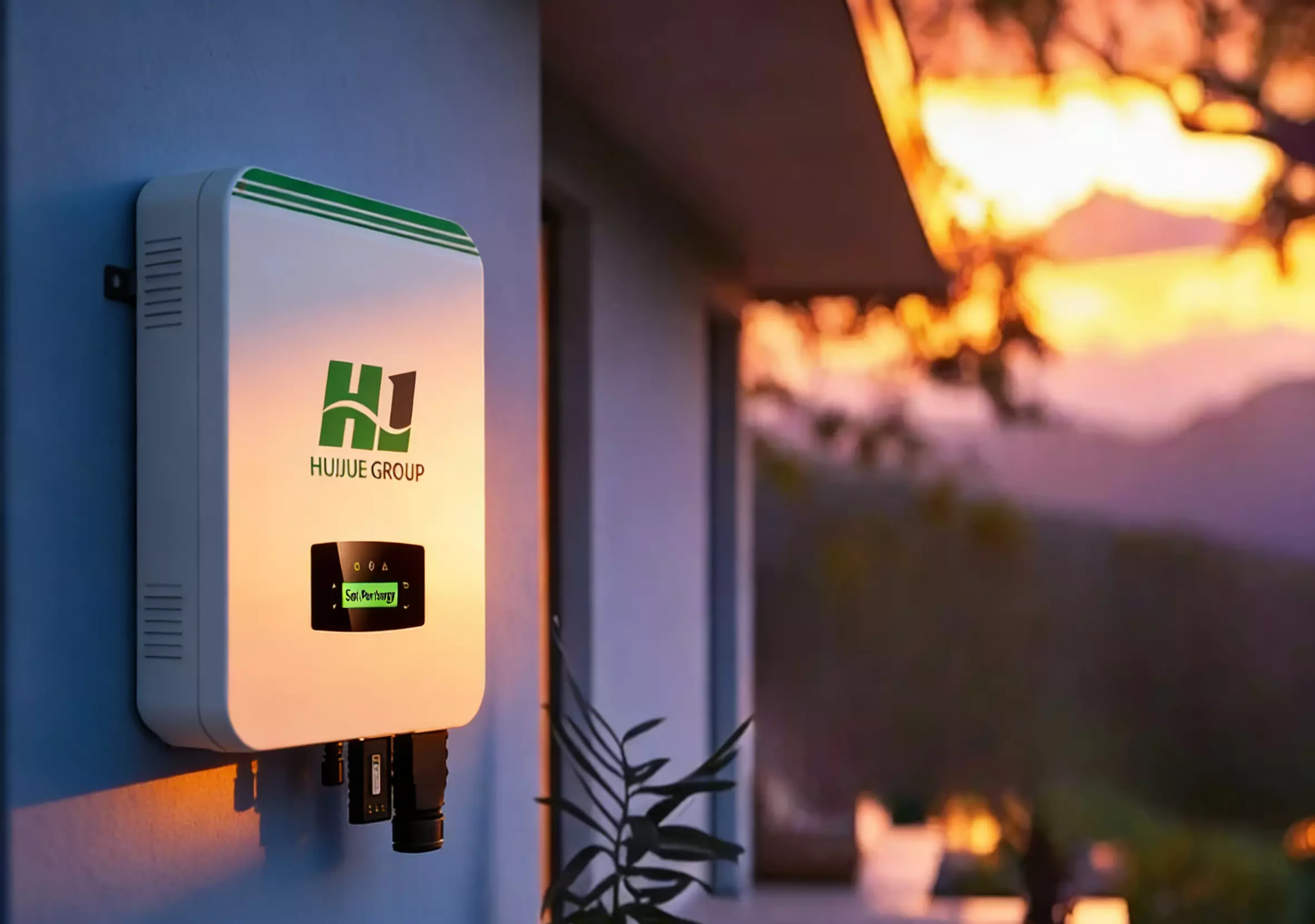
For example, the 7kW to 10kW series of string inverters from HuiJue features Smart Connect technology, which enables remote monitoring and early fault detection to ensure optimal system performance.
2. Hybrid Inverters: Energy Independent and Storage Ready
Hybrid inverters, sometimes called multi-mode inverters, take things a step further by combining solar power generation, battery storage, and grid management into one seamless system.
- Advantages:
- Built-in battery energy storage for energy independence
- Seamless switchover to battery backup during power outages (typically within 10 milliseconds)
- Advanced energy management to maximize self-consumption of electricity
- Considerations:
- Higher initial installation cost compared to series inverters
- More complex installation and configuration
Take the HJ-HIH48 series, for instance—it switches to backup power in just 10 milliseconds and can handle up to 200% of peak backup power. This makes it a great choice for homes that need reliable power during blackouts.
3. Microinverters: Suitable for Complex Roof Optimizations
Microinverters are installed on each solar panel. Each microinverter performs DC-to-AC conversion directly on the panel, enabling independent optimization for each panel.
- Advantages:
- Panel-level optimization improves overall system performance
- Modular design facilitates system expansion
- Higher safety due to lower DC voltage
- Considerations:
- Higher cost per watt
- More potential points of failure due to each panel having an independent inverter
Microinverters are ideal for homes with partial shade or complex roof layouts. Microinverters like the HJ-MG series offer robust performance, maximizing the power generation efficiency of each panel.
Technical Features: What Makes a Superior Inverter Different from an Ordinary One?
1. Conversion Efficiency: Maximizing the Potential of Solar Panels
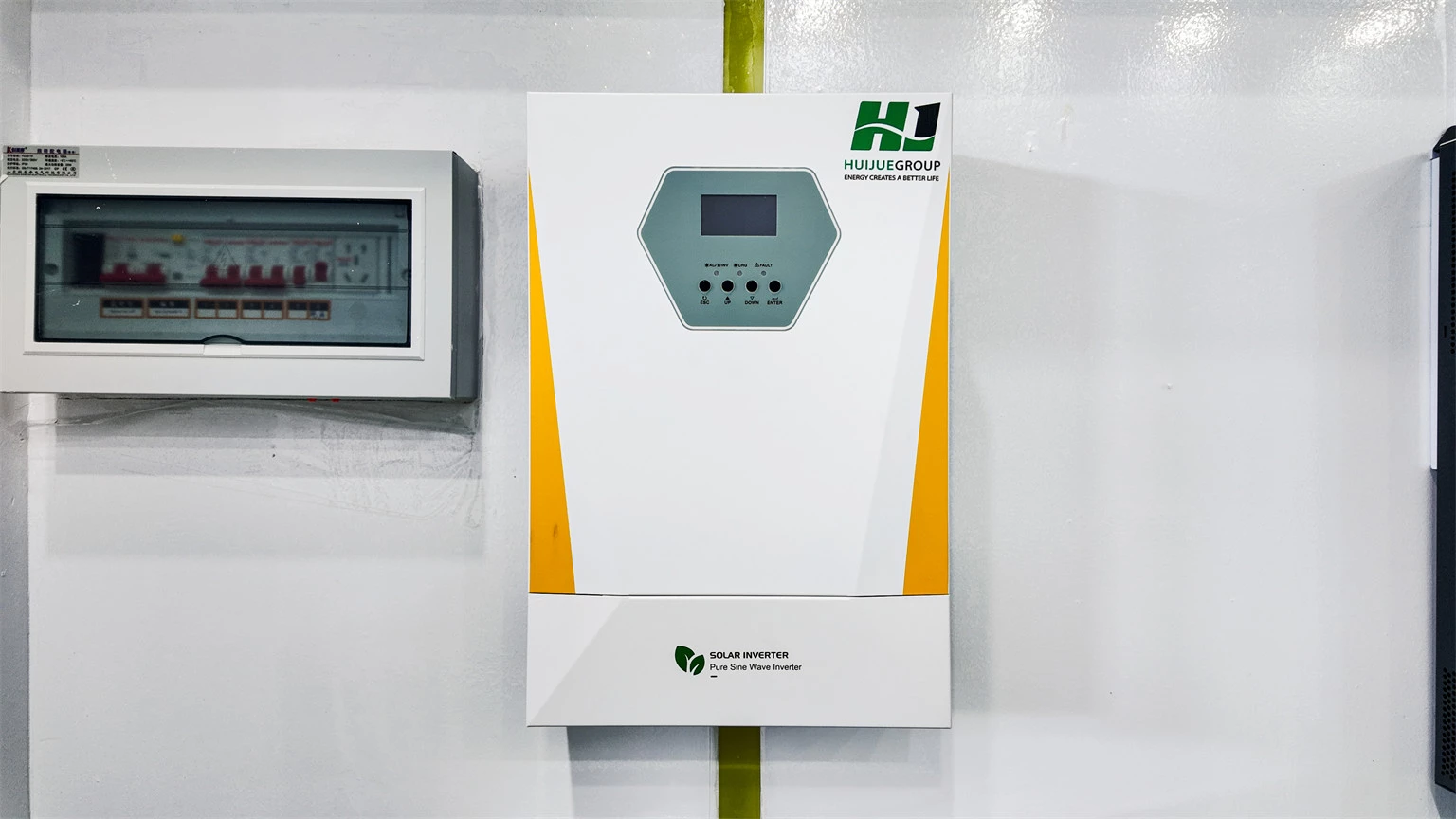
Conversion efficiency is crucial because it determines how much direct current (DC) generated by your solar panels is successfully converted into usable alternating current (AC). Most modern inverters have efficiencies between 95% and 98%, but the best inverters maintain high performance even under less-than-ideal conditions.
For example, the HJ Hybrid Inverter series boasts a conversion efficiency of up to 97.6%, ensuring that your home can extract maximum energy from every ray of sunlight Source.
2. Battery Compatibility and Integration
As energy storage technologies become increasingly important for improving home-use electricity, battery compatibility is a key factor in inverter selection. Many hybrid inverters, such as the HJ-HSH4833EF series, offer native support for both high-voltage lithium-ion and lead-acid batteries, giving you flexibility to adapt to future changes in battery technology.
3. Grid Interaction and Safety Features
Modern solar inverters do more than just convert electricity; they must also be able to safely interact with the grid. Choose inverters with the following features:
- Fast grid switching (<10 milliseconds) to prevent power outages during blackouts
- Time-of-Use (TOU) optimization to adjust electricity consumption based on pricing and demand
- Virtual Power Plant (VPP) integration, allowing your system to participate in grid stabilization projects
For example, the 48Volt Dual Output Hybrid Solar Inverter supports VPP integration, enabling you to participate in grid services by supplying stored energy during peak demand and earning credits or payments.
4. Durability and Environmental Protection
Solar inverters will be exposed to harsh environmental conditions, making durability crucial. Many top brands offer inverters with an IP66 protection rating, meaning they are dustproof and can withstand strong water jets. Furthermore, some models (such as the Hybrid Off-Grid Series) have an operating temperature range of -30°C to 60°C, ensuring reliable operation even in extreme climates.
Real-world Performance: Case Studies and Data
Germany Balcony Solar Systems
A recent survey shows a significant increase in the number of balcony solar systems in Germany—these compact solar arrays, installed on balconies, can generate up to 800W of electricity. These systems can help households save approximately €3,160 over 20 years, with a payback period of only 2.5-5 years.
Japan's Home Electricity Consumption Experiment
In Japan, Hitachi Global Living Solutions is optimizing home electricity consumption through intelligent management of solar energy and heat pump water heaters. Their solution is expected to increase home solar energy utilization by 20%, thereby reducing electricity bills and contributing to grid stability.
2025 Prices and Outlook
By 2025, the cost of installing a home solar system will be more affordable than ever before. Below are the costs and savings for a typical system:
| System Capacity | Total Installation Cost in 2025 | Annual Savings | Estimated Cost in 2026 | Payback Period |
|---|---|---|---|---|
| 5kW | $19,390 | $7,704-$14,064 | $18,800 (3% reduction) | 5-7 years |
| 7kW | $25,800 | $10,100-$18,200 | $24,900 (3.5% reduction) | 5-7 years |
| 10kW | $34,500 | $14,500-$25,500 | $33,200 (3.8% reduction) | 5-7 years |
These savings will vary depending on electricity prices and your home electricity consumption patterns in your area. Households with higher daytime electricity consumption (such as those working from home) can achieve more significant savings by using solar power during peak electricity generation periods.
Global Solar Policy and Incentives
United States: Investment Tax Credit (ITC)
In the United States, the Investment Tax Credit (ITC) allows households to deduct up to 30% of the cost of solar installations from their federal taxes, making 2025 an optimal time to invest in solar technology.
EU and Germany
Germany continues to lead in the promotion of residential solar, particularly balcony solar systems. The country's VDE-AR-N 4105 standard and related incentives have made it easier to install solar systems in homes, thus promoting the rapid adoption of solar energy.
Securing Your Solar Investment for the Future
Inverters optimized with Virtual Power Plants (VPPs) and Artificial Intelligence (AI) are paving the way for next-generation smart home solar systems. For example, Huijue's 60kW to 100kW commercial inverter series has begun integrating with smart grids, enabling households not only to manage their own energy efficiently but also to participate in broader grid stability.
Conclusion: Choosing the Right Solar Inverter for Your Home
Choosing the right solar inverter is a critical decision that impacts the efficiency, reliability, and savings of your solar system. With advancements in hybrid technology, battery integration, and smart grid interaction, 2025 presents an ideal time to invest in solar inverters. Prioritize inverters with high efficiency, future-proof features, and strong warranty support to ensure your investment delivers the best return for years to come.
Frequently Asked Questions
How much capacity inverter do I need?
Most homes typically require a 3-8kW inverter depending on their roof area, electricity usage, and long-term energy needs. For homes with higher energy demands or larger roof spaces, a larger inverter (10kW or more) may be necessary.
How long is the lifespan of a solar inverter?
Most high-quality inverters have a lifespan of 15 to 25 years, with warranties typically ranging from 5 to 15 years.
Can I add batteries to the system later?
Yes, many hybrid inverters support easy integration of battery storage systems, while series inverters may require additional equipment for retrofitting.
How much will I save by installing solar power?
The savings depend on your electricity usage, local electricity prices, and the solar capacity you install. For many systems, the savings could amount to several thousand dollars over the system’s lifespan. In regions with high electricity prices, the payback period could be as short as 3-6 years.