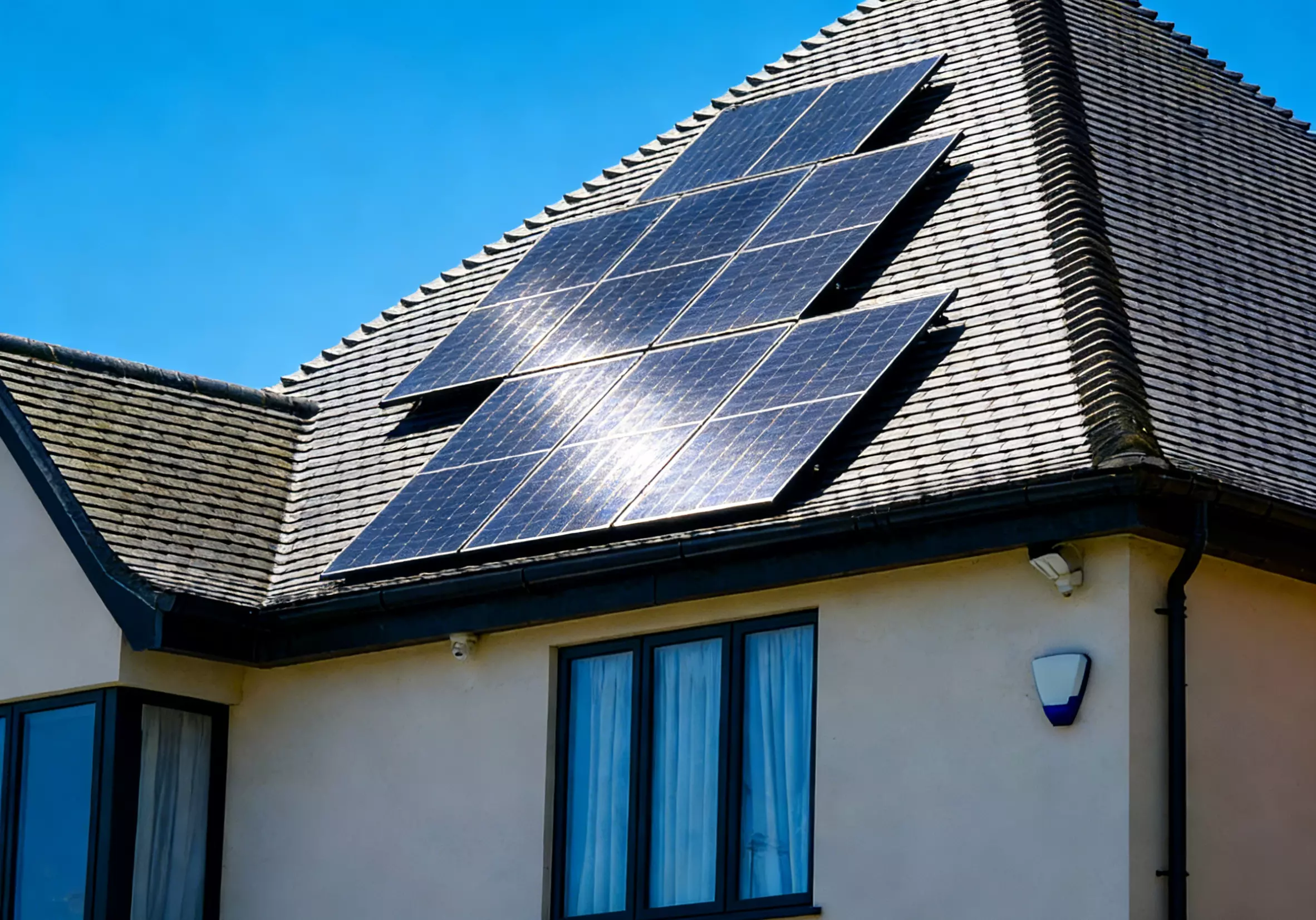
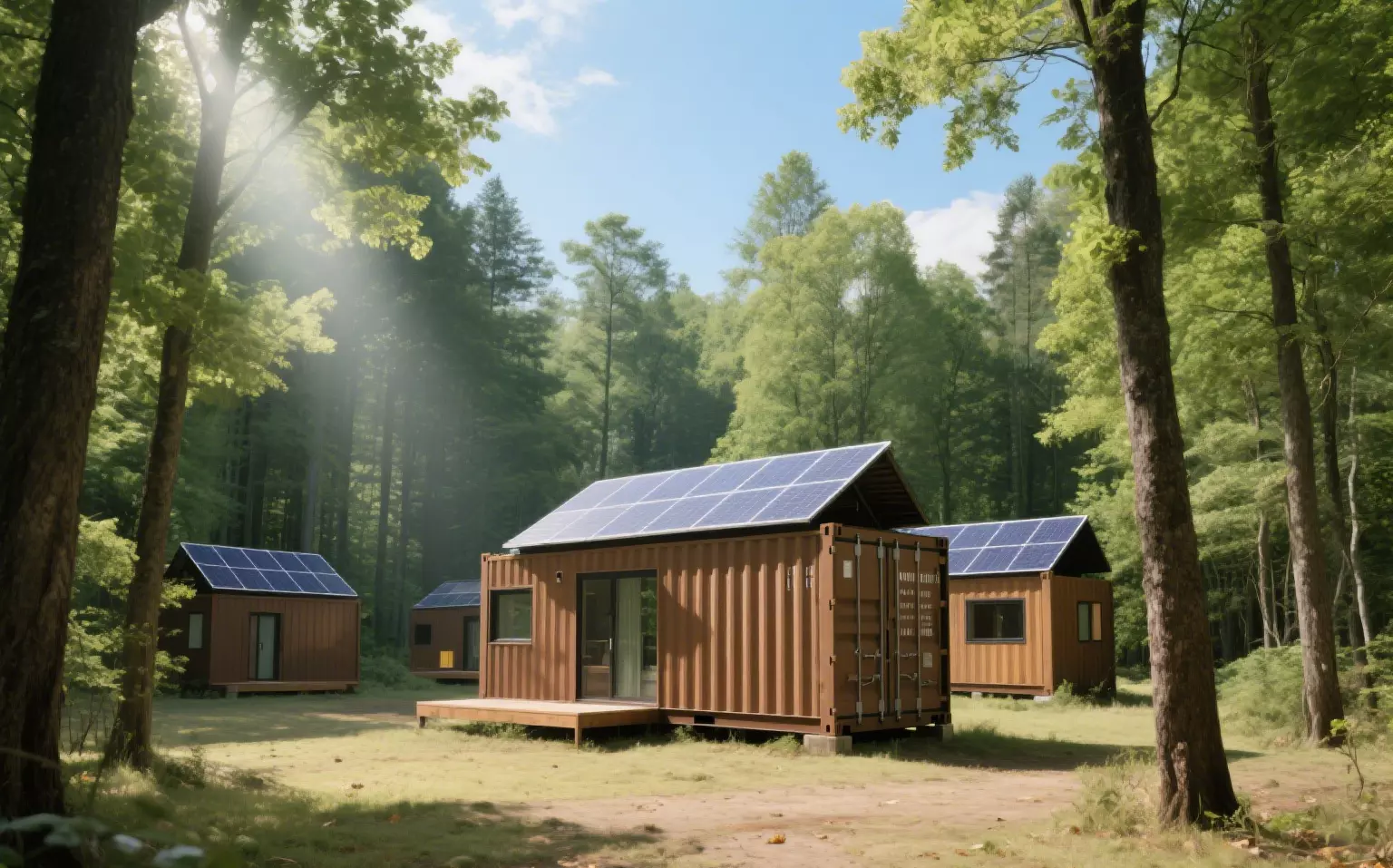
Laying solar panels on the roof of a container not only gives it new functions, but also transforms it into a small independent power generation unit. This is a practical and economical way for those who build off-grid container homes in remote areas or want to reduce energy expenses. A 20-foot-long container roof can be installed with 6 to 12 solar panels, with a total power of 1.8 to 3.6 kilowatts peak (kWp); while a 40-foot-long container can accommodate 12 to 24 solar panels, and the system capacity can be expanded to 4.8 to 6 kWp. It depends on the power of the photovoltaic panels and the orientation of the roof.
How to Layout Scientifically to Maximize Power Generation Efficiency
In order to improve the solar energy collection efficiency of the container roof, it is recommended to install the panels along the long side of the container and adopt an east-west arrangement. For areas in the northern hemisphere, ensuring that the panels are tilted to the south (north in the southern hemisphere) will help to obtain more ideal sunshine duration and intensity.
Additional Tips for Optimal Layout and Installation:
- Choose compact, high-efficiency components, such as photovoltaic panels with a power of about 400 watts, to achieve higher energy output in a limited area.
- Avoid shadow interference, especially in winter when the sun angle is low, and avoid obstructions from nearby obstacles.
- Reserve channels for cleaning and maintenance to maintain long-term efficiency.
Solar Container Installation Examples
- Clinic in a Can: Solar-powered clinic built inside a container, powering life-saving equipment in rural areas using Domino Clamps without drilling.
- Solar Chiller (Zanzibar): Cold storage container powered by 6 rooftop solar panels with modular framing. This project benefits agriculture and community services.
Benefits and Considerations for Off-Grid Container Power
Advantages of Container Solar Systems:
- No need for traditional infrastructure support: The container itself directly assumes the supporting role without extra roof structures or concrete foundations.
- Flexible, portable, and modular configuration: Ideal for temporary deployments, disaster relief, or remote areas.
- Energy-saving, environmentally friendly, and cost-efficient: Reduces dependency on diesel or city electricity, significantly lowering long-term energy expenses.
- High protection of system components: The battery packs and inverters inside the container are protected from weather, ensuring extended service life.
Key Design and Deployment Considerations:
- Structural Stability: Solar panels need to be fixed with reinforced brackets to withstand strong winds or extreme weather.
- Optimized Orientation and Tilt: Adjust the container or use adjustable brackets to achieve optimal sunlight exposure.
- Reasonable Internal Space Layout: Arrange inverters and batteries close to the solar input to minimize line distance and enhance system stability.
Key Tips for Container Solar Home Projects
- Calculate roof area and panel wattage to estimate kWp output.
- Use efficient mounting solutions to prevent roof damage.
- Choose panels with warranties (20–25 years) and regularly monitor performance and maintenance.
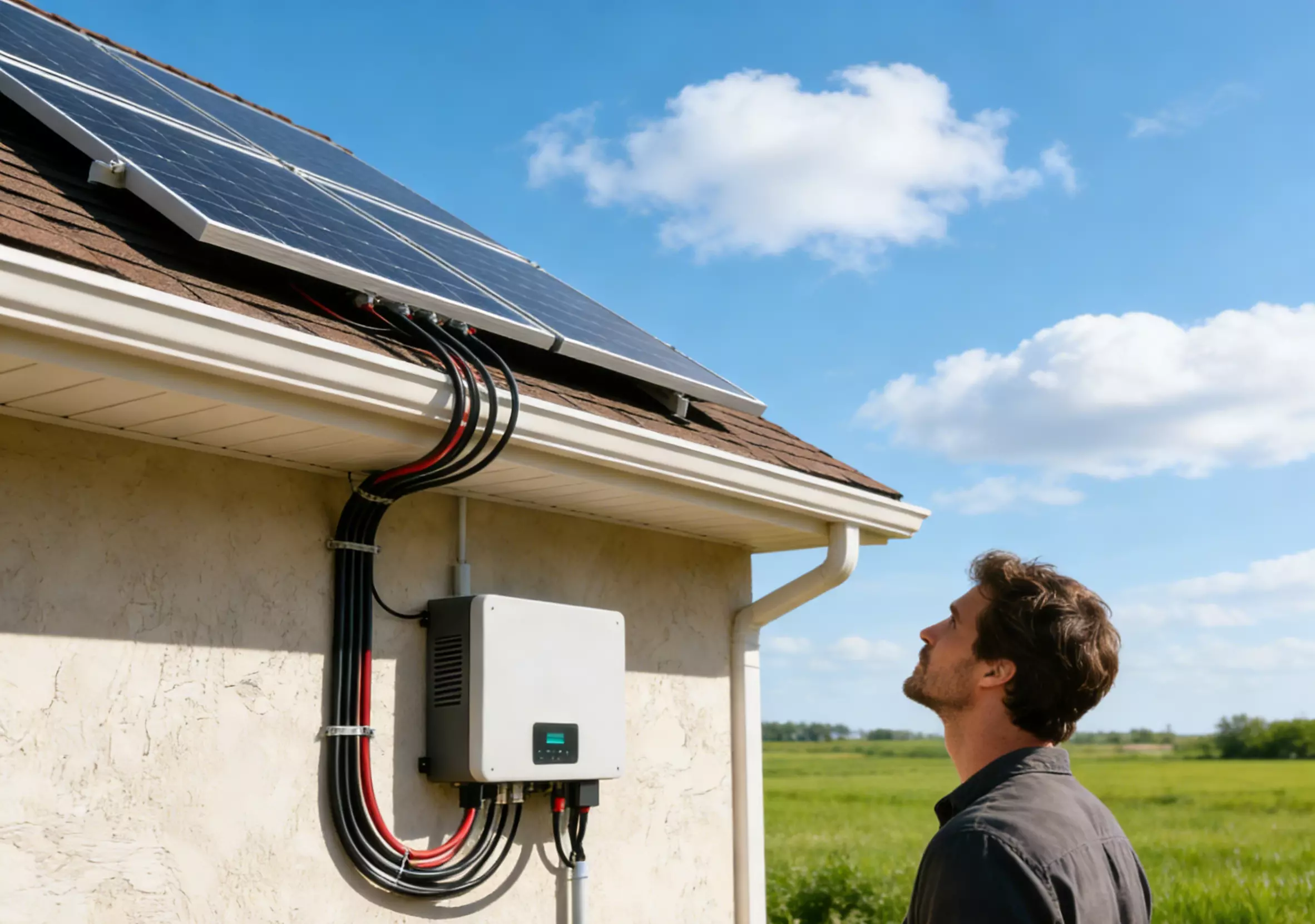
- Install battery storage and an inverter inside for a self-sufficient off-grid solution.
- Use real case studies (e.g., Clinic in a Can or Solar Chiller) as guidance for setup and sizing.
Containers as Sunshine-Powered Homes
Mounting solar panels on containers is a clean, portable, scalable way to create solar-powered container homes or remote off-grid solutions. With proper installation—structural stability, optimal sunlight orientation, and battery integration—you can transform a simple box into an energy-autonomous space.
Huijue Group offers powerful modular energy storage systems that are perfect for integration into container designs. If you're interested in photovoltaic container homes, feel free to contact us for more information.