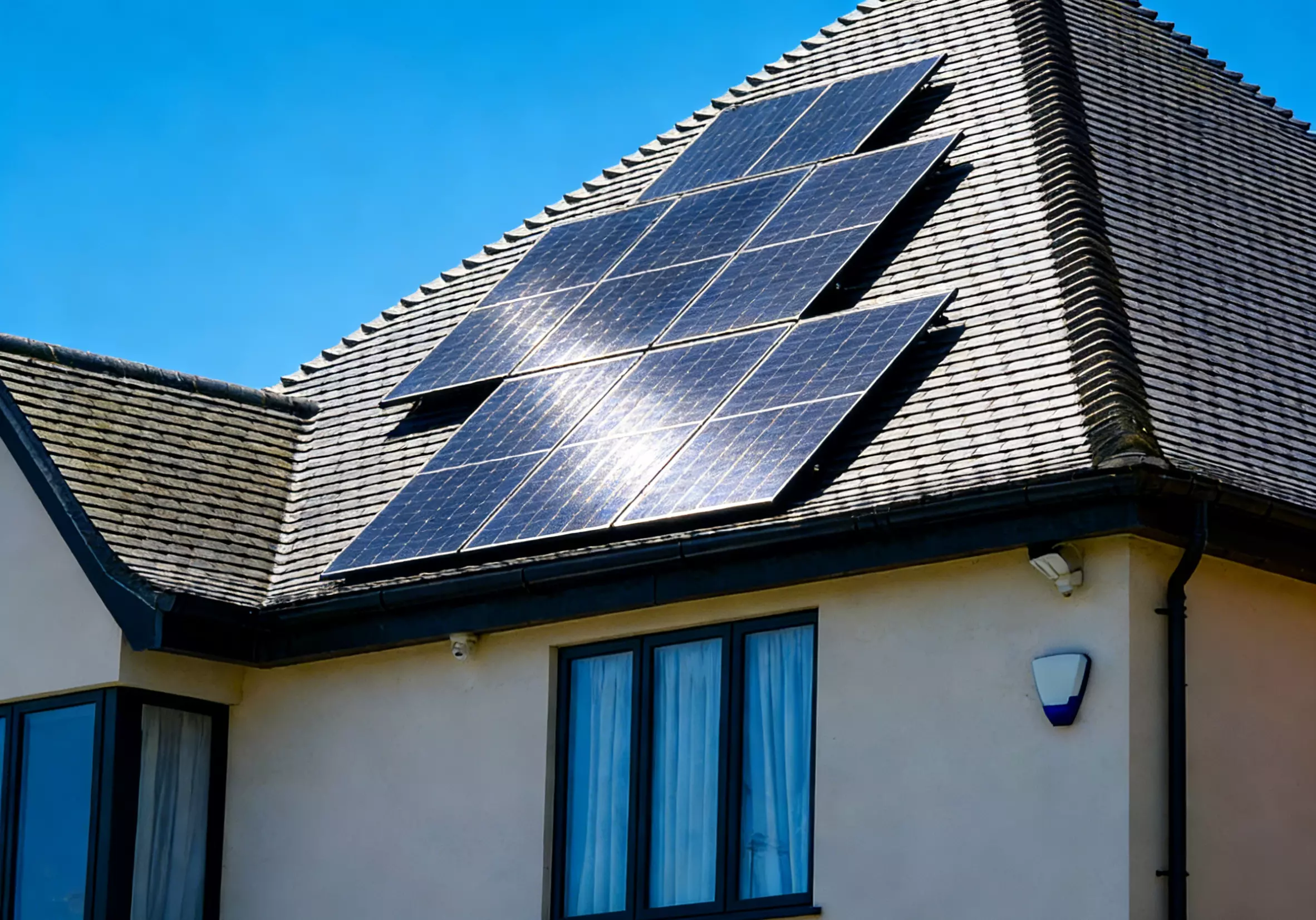
Imagine your island B&B, no longer hostage to the erratic costs and noise of a diesel generator. For hospitality businesses on remote islands, achieving energy independence has shifted from a lofty 'green' ideal to a foundational business strategy. The equation is simple: by harnessing the abundant sun with a modern solar-plus-storage system, you can slash operating expenses while powerfully differentiating your property in a market that increasingly values authentic sustainability. This blueprint walks you through the practical steps of designing a system that frees you from diesel and powers your future.
Energy Challenges Facing Island B&Bs
If you run a B&B on an island, you're likely all too familiar with these energy headaches:
- Unstable grid connection: Especially on remote islands, grid connectivity is unstable, and power outages can impact hotel operations and the guest experience.
- High electricity costs associated with diesel generators: Diesel generators are not only expensive but also subject to market fluctuations, especially on islands without grid access.
- The environmental impact of fossil fuels: With growing environmental awareness, more and more tourists are choosing eco-friendly accommodation options and avoiding traditional diesel generators.
However, with the rapid development of solar and energy storage technologies, solving these problems has become more feasible and efficient. For example, the private island of Kudadoo in the Maldives relies entirely on solar power, completely eliminating diesel generation. With a five-year payback period, it stands as a success story in island energy independence.
Solar-Storage System Design: Key Components and Configuration
Solar Panel Array Specifications
For island B&Bs, solar systems must withstand harsh coastal environments, such as salt spray, high winds, and intense UV radiation. Selecting the right PV panels not only improves system efficiency but also extends its service life.
- Salt spray corrosion certification (IEC 61701)
- High wind pressure resistance (≥ 2400 Pa)
- Tropical battery technology with a low temperature coefficient
For example, the Kudadoo project in the Maldives installed a 320 kWp solar array, which can meet the electricity needs of the entire island resort. For a typical 10-room B&B in Cape Verde, a 50-100 kWp array is generally sufficient to meet most daily needs.
Battery Energy Storage Systems: Technologies and Options
For island B&Bs, battery selection is crucial. Lithium iron phosphate (LiFePO4) batteries have become the standard battery for island applications due to their advantages:
- Extremely long cycle life (5,000-8,000 cycles, compared to 500 for lead-acid batteries);
- Higher depth of discharge (80-100% depth of discharge, compared to 50% for lead-acid batteries);
- Lighter weight for easier transportation and installation (approximately 50% lighter than a lead-acid battery of the same capacity);
- Excellent performance in high-temperature environments, making them suitable for use on tropical islands.
Inverters and System Management
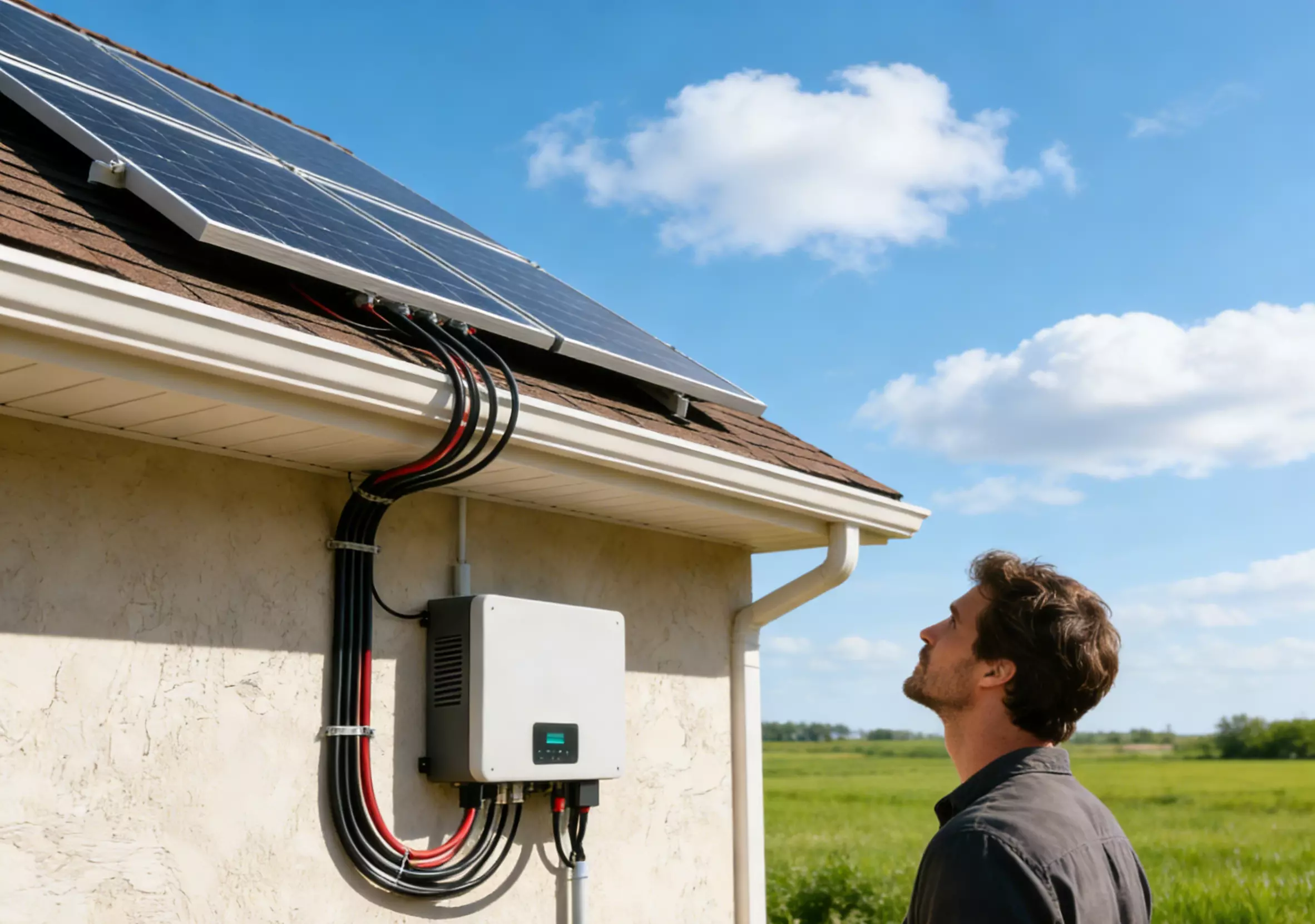
Inverters convert the direct current (DC) generated by solar panels into alternating current (AC). For island homestays, inverters must be capable of off-grid operation and withstand high temperatures.
For example, SMA's Sunny Island series inverters offer efficiencies up to 96% and operate stably in temperatures up to 55°C. These devices are scalable and can meet requirements from small systems (e.g., 2kW) to large systems (e.g., 100kW).
Cost Analysis & ROI
Initial Investment: Estimated 2025 Prices
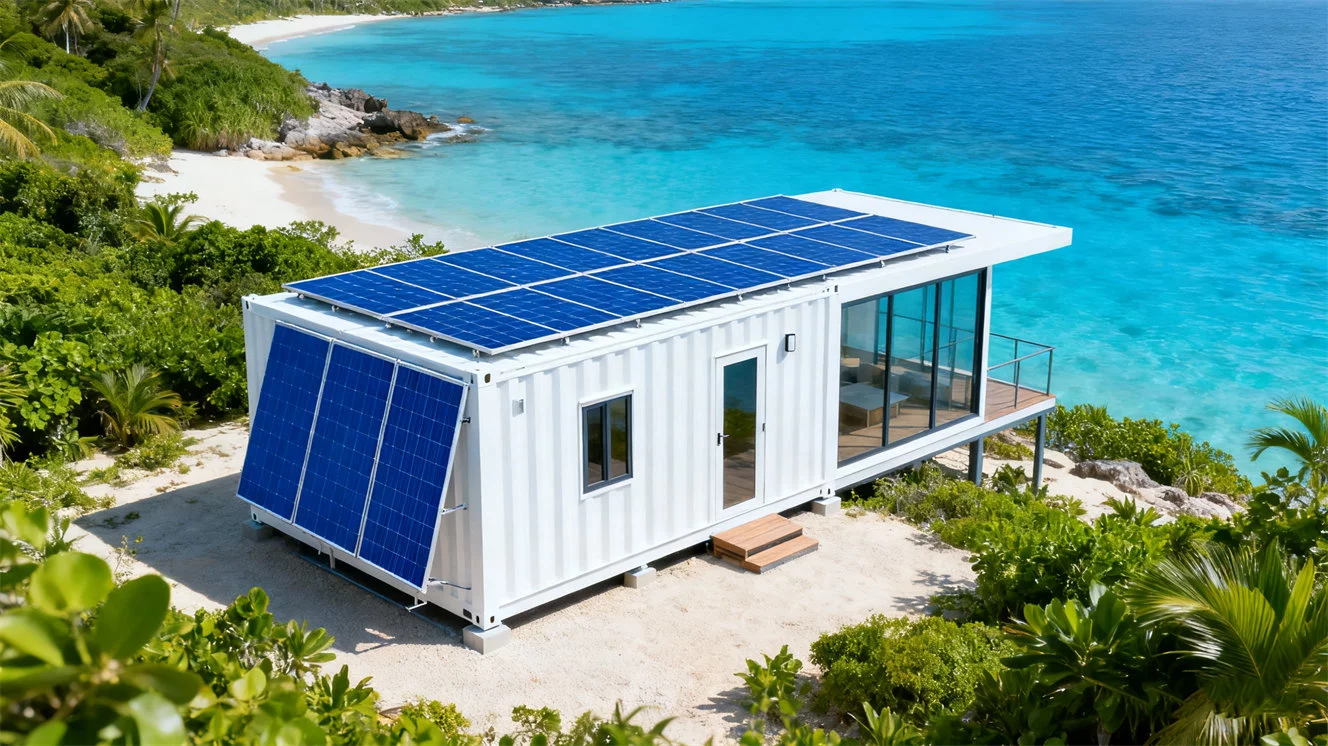
When planning a solar-plus-storage system for an island B&B, initial investment costs include the PV array, battery storage, inverter, and installation. Here's a general cost breakdown:
- 50kW solar array: $25,000–35,000
- 80kWh lithium iron phosphate battery system: $40,000–55,000
- Inverter and charge controller: $8,000–12,000
- Installation and other system components: $15,000–25,000
- Total investment: $88,000–127,000
Operational Savings and Return on Investment
B&B owners can enjoy the following financial advantages with a solar-plus-storage system:
- Slash Your Fuel Bill: Swap out volatile diesel costs ($0.40-0.60/kWh) for predictable, sunlight-powered electricity ($0.08-0.12/kWh). The price of sunshine never spikes.
- Kiss Maintenance Hassles Goodbye: Forget the frequent oil changes, filter replacements, and mechanic call-outs. Expect to pocket $2,000 to $5,000 annually in saved maintenance alone.
- Bypass Steep Grid Connection Fees: If you're off-grid, you can avoid one-time connection fees that can easily soar past $10,000—money that's better invested in your own independent power plant.
Most island B&Bs achieve a payback period of 4-7 years. The five-year payback period for the Kudadoo Maldives project is a good example.
Phase-based Implementation Strategy
-
Phase 1: Energy Audit and Baseline Assessment
- Conduct a detailed load analysis to understand the B&B's daily electricity usage.
- Assess seasonal power usage and optimize energy consumption.
- Identify energy efficiency opportunities, such as LED lighting replacement and air conditioning optimization.
-
Phase 2: System Design and Component Selection
- Determine the appropriate PV and energy storage system size based on actual power needs.
- Plan for future expansion to accommodate potential growth.
- Select high-quality equipment suitable for the harsh island environment.
-
Phase 3: Installation and Commissioning
- Work with an experienced installer to ensure proper equipment installation.
- Install a monitoring system to track system performance in real time. Provide operational training to employees to ensure efficient use of the system.
-
Phase 4: Optimization and Expansion
- Regularly analyze system performance data to identify energy-saving potential.
- Expand system capacity as needed.
Real-Life Case Studies
Kudadoo Private Island, Maldives
Kudadoo operates entirely on solar power, thanks to a 320 kWp photovoltaic system. This initiative not only eliminates the need for diesel generators but also attracts eco-conscious travelers through its commitment to "green tourism."
Inis Mór Island, Ireland
Despite the island’s variable climate, Inis Mór Island sources 80% of its electricity from wind and 20% from solar power. Surplus electricity is even sold, helping to subsidize ferry fares for the local residents.
Chishan Island Microgrid, China
Chishan Island replaced unreliable diesel generators with a 20kW solar system, a 40kW wind turbine, and a 200kWh storage system. The result? Stable, round-the-clock electricity and a reduction of over 100 tons in annual carbon emissions.
Maintenance and Support Considerations
Island B&B solar systems with energy storage are often located in remote areas, making strong after-sales service and maintenance support crucial. Choose a supplier that offers the following:
- A comprehensive warranty (10 years for batteries and 5+ years for inverters)
- Remote monitoring capabilities for real-time monitoring and troubleshooting
- Local technical support or system operation training
Conclusion: Toward an Energy-Independent Future
For a B&B in Cape Verde, the journey toward energy independence is a journey toward business resilience and a stronger brand. A well-designed solar-storage system delivers the holy grail: predictable, clean power that severs your tie to diesel price shocks and slashes your overhead. In an era where travelers actively seek eco-conscious accommodations, this isn't just an operational upgrade—it's a powerful marketing statement that sets you apart and attracts a growing cohort of sustainability-minded guests.
While the initial investment in a solar + energy storage system requires some initial capital, the long-term cost savings and brand recognition are undoubtedly worth it. Now is the perfect time to invest in the future, take the first step towards energy independence, and embark on a new chapter in your green tourism journey.
FAQ
-
How much power can a solar-storage system provide my B&B during rainy weather?
Typically, battery storage can support 3-5 days of electricity needs, depending on battery capacity and energy consumption. -
What happens if the system fails?
Choose a supplier with remote monitoring capabilities to remotely diagnose faults and quickly dispatch replacement parts. -
Can I expand my solar-storage system as my business grows?
Modern solar-storage system are modular, allowing for increased PV panels and battery storage capacity as needed. -
How can I cope with the effects of salt spray and high humidity?
Choose equipment with C5 corrosion resistance certification and IP67 protection to effectively withstand the effects of salt spray and moisture. -
Does Cape Verde offer government incentives to support renewable energy?
Many countries and regions offer incentives for renewable energy projects, such as tax breaks, accelerated depreciation, and grants. It is recommended to consult your local energy department for more information.