When roads start to "warehouse electricity": the dream and potential of solar pavement technology
Solar roads, in a literal sense, are an initiative to incorporate solar power generation technology into the typical road. It is a bold concept that has begun. It is not merely to "place panels" along the road, but to cross over the divide between transport and energy: a road that can carry cars as well as produce clean electricity.
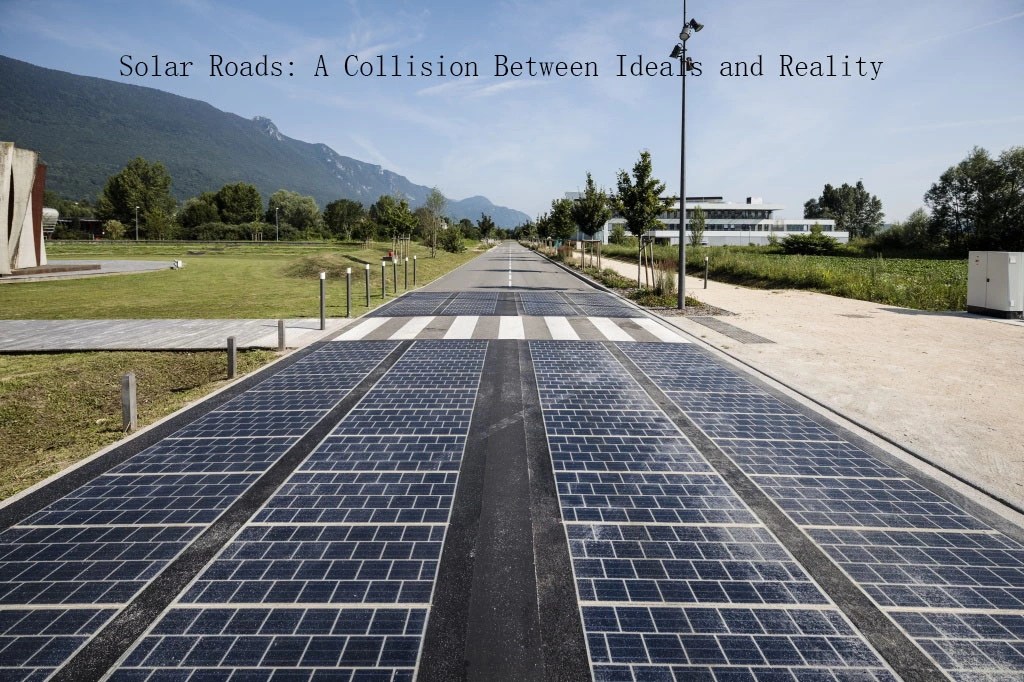
In theory, these roads can do a list of intelligent things - such as adding LEDs for illumination at night, installing sensors under the road to provide power to electric vehicles, using embedded heating technology to self-clear snow, and even collecting traffic and weather data through sensors. That is some of the city of the future, not only green, but "smart" as well.
Ideals are lavish, but reality is a little bit embarrassing
At first, it was such a "genius idea" for solar roads: it takes up no extra land and can meet the demand for clean energy, with the bonus of two birds in one stone. But once it came into testing, the picture is less rosy.
Take Solar Roadways in Idaho, USA. The company unveiled their vision with great fanfare as early as 2014. They started a viral campaign by the name of "Solar FREAKIN' Roadways" and envisioned the future as below:
- Upgrading the highway system can power the entire country;
- Adding LED lights to the road surface to dynamically display road signs and warning messages;
- No need to stop, and can be charged on the go;
- Can be used anywhere: highways, parking lots, bike lanes, and even private driveways at home;
- With built-in heating mode, ice and snow are melted at the touch of a button;
- Longer life for more road surface by up to 20 years, significantly longer than regular asphalt.
These promises not only got media attention, but also received millions of dollars worth of funding support from crowdfunding sites and received funding for some government programs. The media first ran to report on it for a while, and the people's expectations from it were also raised.
But with the passage of years, pilot projects were introduced step by step, and the dream vs. reality gap came into existence. Technical issues, economic considerations, endurance and other factors have held back many projects in the "experimental sector", and there are very few examples that have actually made a move towards mass-scale commercial implementation.
Technology implementation challenges: Reality doused cold water on solar roads
Though the concept of "solar paving" is promising, the reality is by no means as smooth sailing as in ideal practice. Currently, nearly no project has been able to accomplish large-scale application, and most of them globally are pilot-based ones, and the majority of them have failed.
Initial projects with a challenging beginning
A small pilot in Idaho, USA
State pilot was only a small 150-square-foot sidewalk, tiny in scale. Bad luck, and the system then showed its weaknesses: the electric appliance malfunctioned, and the snow-melting and heating function did not work as it should.
"Wattway" test in Normandy, France
France laid a 1-kilometer stretch of solar road in 2016, claiming it could produce 280 megawatt-hours of power annually. After repeated cycles of real use, numbers showed the amount of power produced was not over half that which was estimated. Traffic wear, climactic shocks, and noise problems made the venture unviable, and the stretch was eventually forced to close down in 2019. The unsuccessful trial cost more than $5.2 million.
High-speed solar road in Jinan, China
China also tried to push forward a similar project in 2017, developing a 1-kilometer-long photovoltaic highway in Jinan. Sadly, within a week of its construction, the materials were sabotaged and the road was dismantled. There has been no development on the project since then.
The only existing road in Georgia, USA
The sole functioning solar road in the US is a brief-distance solar belt placed for self-driving cars in Peachtree Corners, Georgia. But so far, relevant performance data have not been published, and its actual performance cannot be known.
Why do these projects keep "turning over"?
The reason that solar roads are difficult to market is not sinister, but stemmed from a few technical and economic limits:
- Shocking cost: The cost of combining tempered glass with fragile electronics for road construction is highly prohibitive compared to traditional asphalt. Take the example of the French Wattway. Its dollar-per-mile could cost up to $8.4 million, making it difficult to replicate and sell the project.
- Engineering dilemma: Solar cells must be strong and pressure-resistant yet transparent so that they may collect sunlight. The two requirements are technically very challenging to combine, and the best of both is often impossible.
- Efficiency has inherent limits: Laying photovoltaic panels flat on the ground will result in failure to achieve the ideal angle of incidence, and the efficiency will usually fall short by 20% to 30%. In addition, obstructions such as passing cars, dust, and leaves will still hinder the power generation effect.
- Overheating issue: Due to the lack of air circulation on the road surface, solar panels tend to overheat during sunny days and in turn reduce their output power.
- Safety hazards on roads: Use of solar panels as road materials reduces vehicle traction during wet or hot conditions, but with added driving noise, affecting safety and driving experience.
A Better Alternative: Conventional Solar Systems
Compared with the idea of solar panel road, the present photovoltaic system is preferable in efficiency, stability and return on investment - and has widely been utilized in our life and energy system for a very long time:
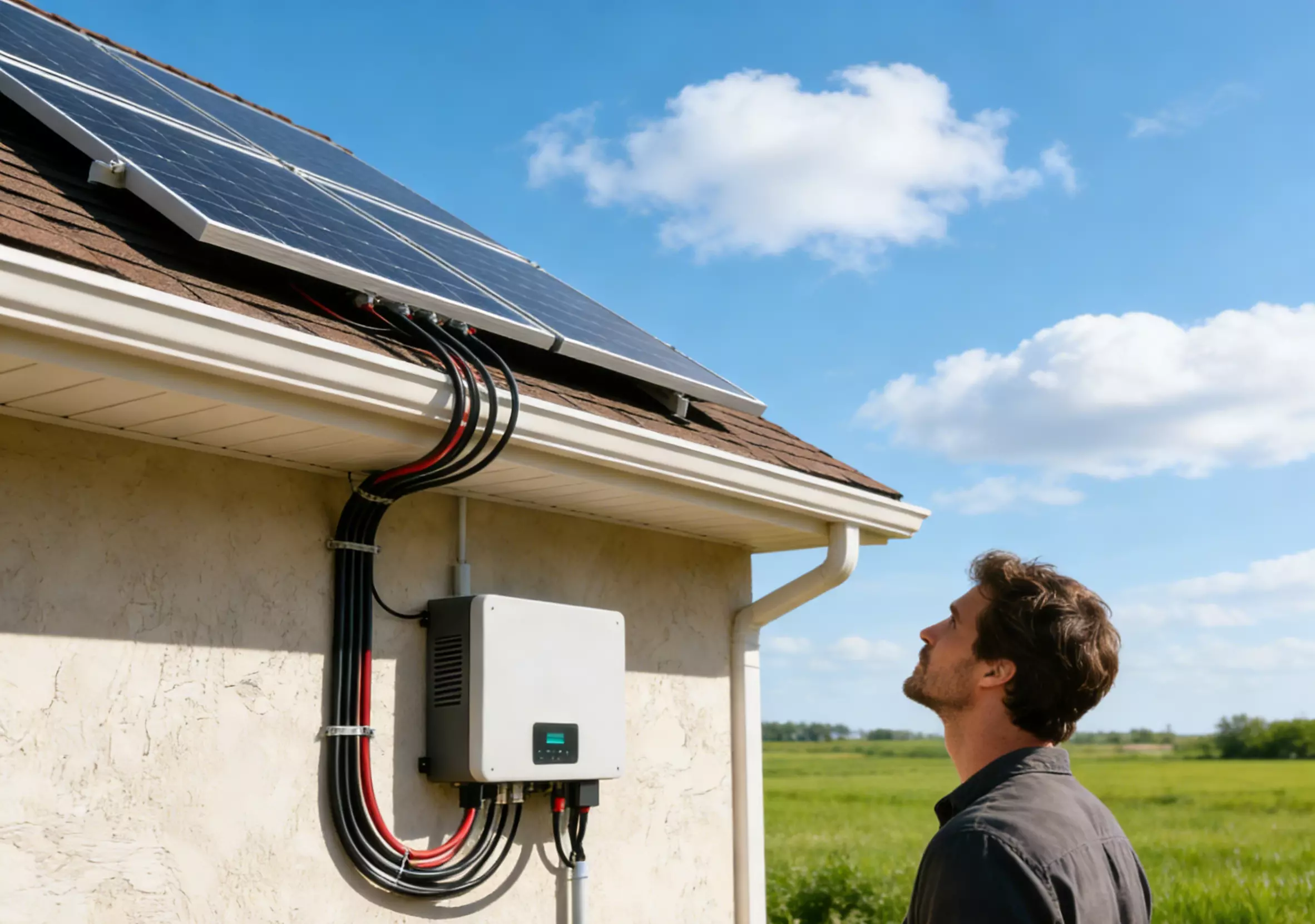
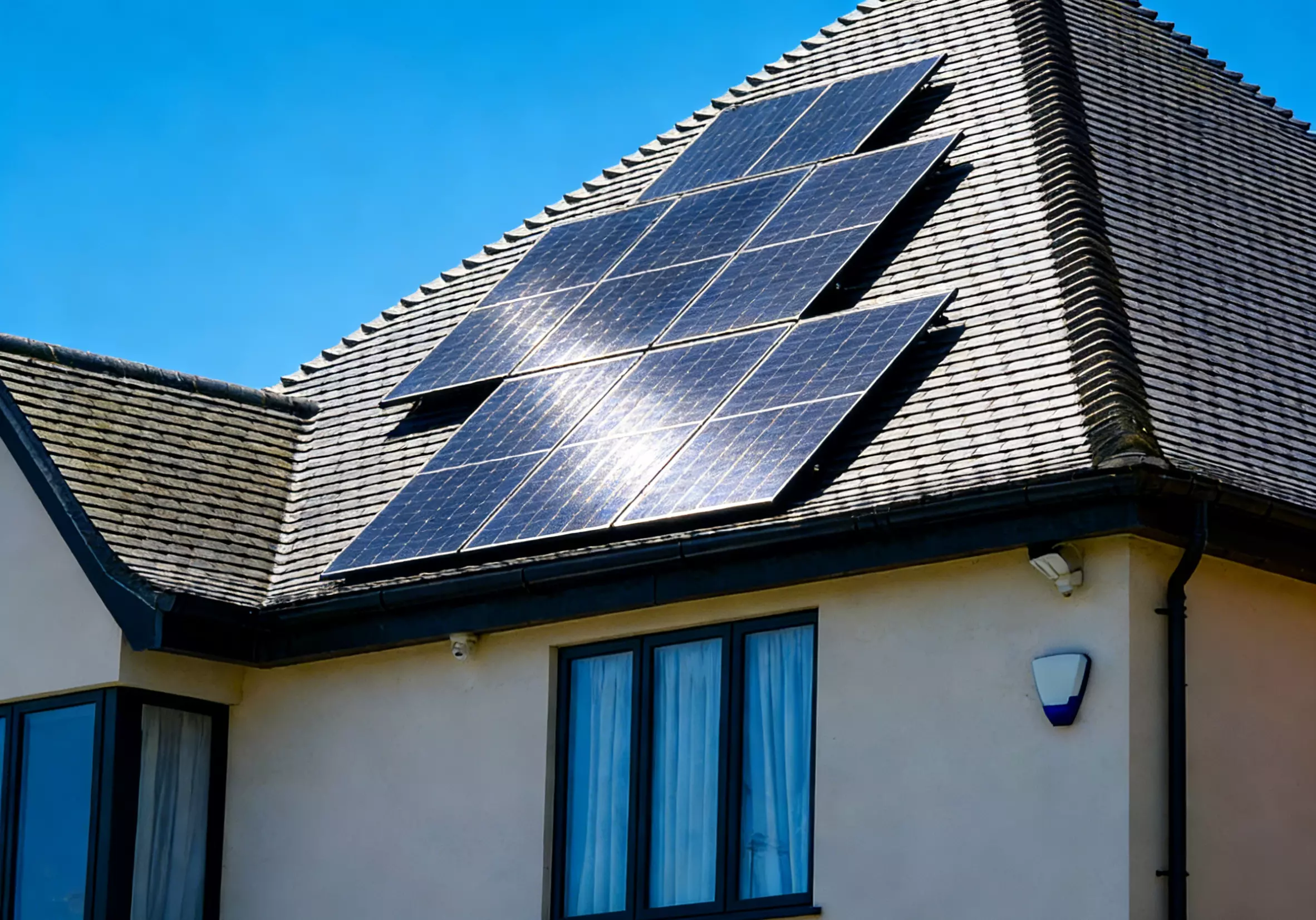
- Rooftop photovoltaic system: Solar panels on top of a residence are now an established option for clean energy. With technology advances and the growing decline in costs, such installations are not only economical, but also readily scaled. The right design, and they can even provide 100% of the domestic electricity needs on a daily basis.
- Ground photovoltaic power station: In the majority of countries and regions across the globe, ground-mounted solar power plants have achieved large-scale power generation and play a crucial role in local power grids. Such projects have clear capacity evaluation and investment return models, controllable risks, and clear benefits.
- Solar carports and sunshade canopies: Both utilitarian and pragmatic, they can shade and cover vehicles, and can generate clean power continuously. They are being widely embraced by transportation infrastructure in urban areas and business buildings.
Up to now, over 3 million families in the United States have opted to utilize rooftop photovoltaics, while solar roads remain largely in the concept validation or pilot phase, with enormous investment and limited impacts.
Huijue Group: Building tangible energy value
Against the background of constantly changing energy trends, it makes sense to choose more efficient and pragmatic clean energy solutions rather than investing in costly and immature solar roads. Huijue Group is providing the entire series of "solar energy + energy storage" intelligent systems to customers all over the world to empower businesses and citizens to effectively control energy consumption and maximize energy benefits.
We are dedicated to designing high-quality container energy storage systems for residential, commercial and industrial uses. The key benefits are:
- Modular capacity design (6~25MWh): Flexible adjustment to different power demand from peak shaving to reserve power, can be designed on demand;
- Safe and reliable lithium iron phosphate battery: Together with the internally developed EMS energy management system, so that each kilowatt-hour of electricity will be dispatched accurately;
- Integrated system integration: The "plug and play" architecture integrates BMS, battery pack, fire protection module and thermal management unit to reduce site installation and commissioning time;
- Smart remote control: Can realize real-time monitoring, data acquisition and cloud-based predictive maintenance, making it easier to manage and enhance operation reliability.
Unlike those so-called "forward-looking" solutions, Huijue's energy storage solution is not just able to provide short-term, concrete savings on electricity bills, but also provide a stable and feasible roadmap towards the evolution of sustainable energy.
Learn about Huijue Group's energy storage solutions and embark on a truly sustainable energy future.