When deciding whether to invest in a solar inverter battery system, many people ask: 'What is the cost of a solar inverter battery system? How many years will it take to recoup the investment?' In recent years, advancements in battery technology and continuous price reductions have led more and more households and businesses to consider this option. This article will help you understand current market prices, technical parameters, and how to maximize your return on investment.
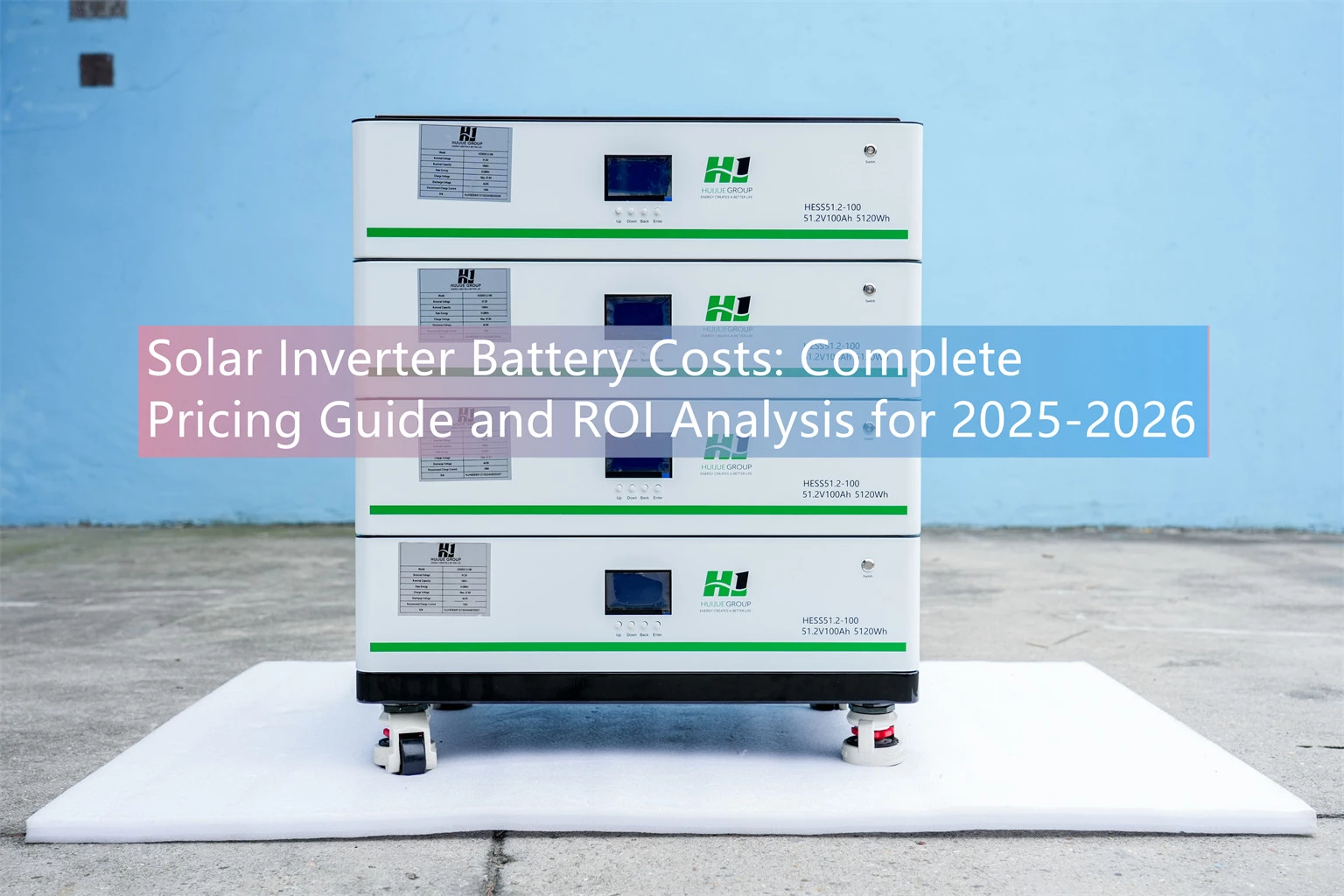
PV Inverter Battery System Cost Overview (2025-2026)
The cost of a solar inverter battery system is not a fixed number but is influenced by multiple factors, including solar inverter battery price, installation costs, and system configuration. As battery prices gradually decrease, PV energy storage systems are becoming increasingly attractive.
Based on market data at the end of 2025, the global capital cost of utility-grade energy storage systems is approximately $125 per kilowatt-hour (kWh). This is roughly composed of the cost of the batteries themselves ($75 per kWh) and installation, connection, and other costs ($50 per kWh). Despite variations in system size, the market price trend remains downward.
For residential users, smaller-scale systems will have a higher unit price, but the price trend is still downward. Here is the price range for a typical residential solar storage system:
- PV panels and inverter: $8,000 - $12,000
- Battery storage (13kWh): $2,100 - $4,000
- Installation, cabling, and system configuration: $3,000 - $5,000
- Permits and inspection fees: $1,000 - $2,000
Overall, installing a suitable residential solar storage system is expected to cost between $14,100 and $23,000, depending on the region, system size, and specific needs.
Technical Factors Affecting the Cost of PV Inverter and Battery Systems
When selecting a solar storage system, technical specifications are a key factor determining system performance and final cost.
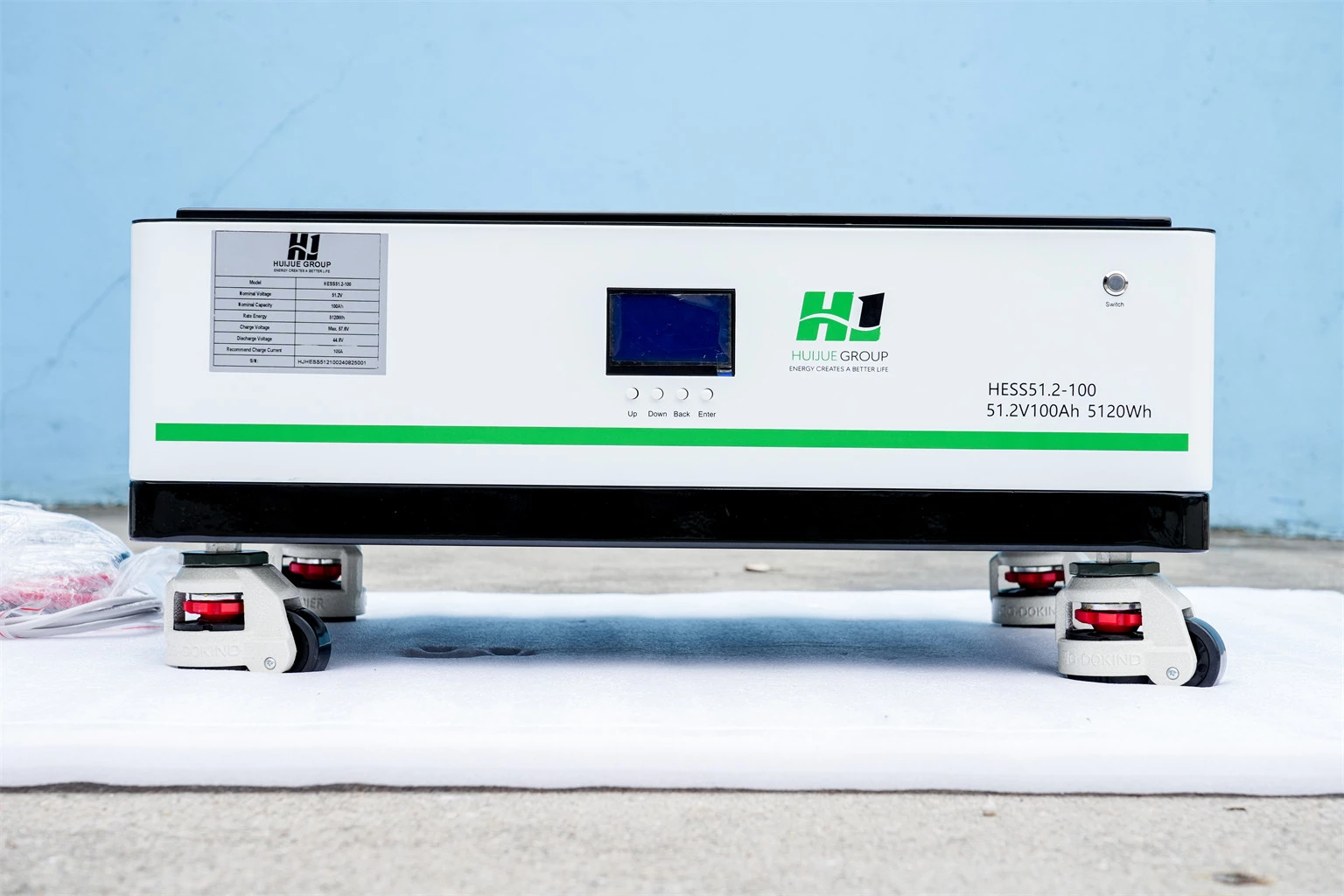
1. Battery Capacity and Technological Evolution
Batteries are the core component of solar inverter battery systems, and their capacity directly impacts the performance and cost of solar storage systems. Common household battery capacities are 10-20 kWh, while commercial applications often require larger capacities. In recent years, battery technology has continuously evolved, transitioning from the earliest lithium iron phosphate (LFP) batteries to more efficient and compact models, offering longer lifespans and higher energy densities.
For example, the current mainstream LFP battery capacity is 280 Ah, but in the coming years, the widespread adoption of 587 Ah batteries will bring even higher energy densities and smaller footprints.
2. Inverter Types and Configurations
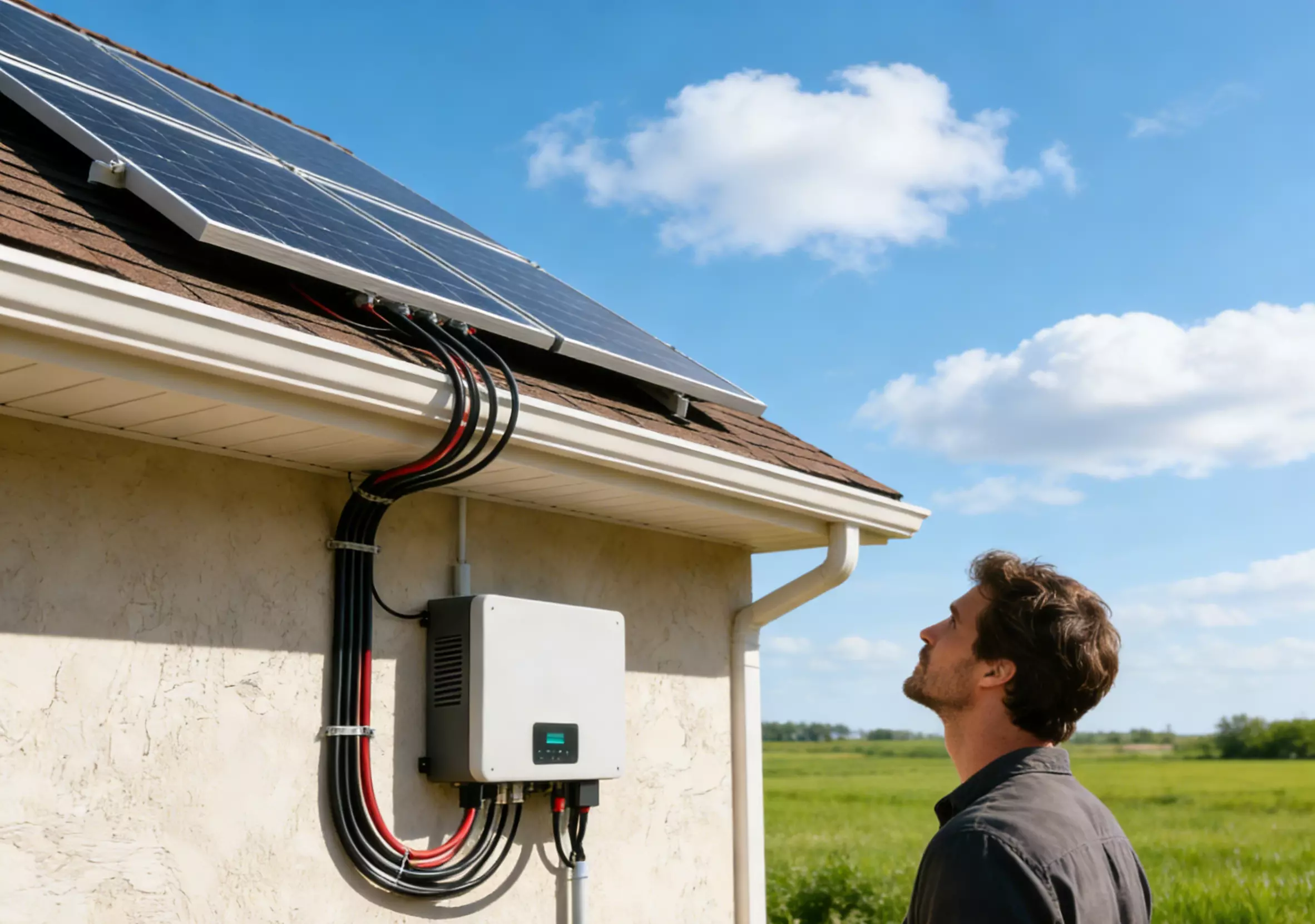
Inverters play a crucial role in energy storage systems, managing battery charging and discharging, photovoltaic panel power generation, and interaction with the grid. Common inverter types include hybrid inverters, which can work not only with solar panels but also with battery storage systems.
The inverter's power rating needs to be selected based on the actual electricity needs of the household or business. For typical households, a 5-10kW inverter is sufficient for daily use. However, for commercial users or industrial projects, the power requirements for inverters can reach hundreds of kilowatts.
Practical Applications and Return on Investment of Photovoltaic Energy Storage Systems
With declining battery prices and improved system efficiency, an increasing number of real-world examples demonstrate that the return on investment for photovoltaic energy storage systems is quite substantial.
- Residential Users (European Market): A simulation study shows that in Mali, to achieve 95% self-sufficiency, the investment in installing a photovoltaic energy storage system ranges from $9,590 to $13,139, with an expected return of 22.5% to 32%. German consumers can achieve energy self-sufficiency by installing convenient balcony photovoltaic kits and battery energy storage systems.
- Commercial and Industrial (Saudi Arabia): In Saudi Arabia, an industrial building with an annual electricity consumption of 6,500 MWh can save approximately 89% on energy costs by installing a photovoltaic + battery energy storage system. Under certain electricity pricing structures, while pure photovoltaic (PV) systems have a shorter payback period, energy storage systems offer longer-term economic benefits and stability.
- Utility-Scale Microgrids (Thailand): In a 100% renewable energy microgrid project in Thailand, combining 20kW PV with 264kWh of battery storage reduced the cost of energy (COE) to $0.19/kWh, significantly lower than the $1.85/kWh of a diesel-hydropower system, demonstrating the superior economic benefits of PV-storage systems.
The following are the cost drivers and payback periods for different project sizes:
| Project Size | Key Cost Drivers | Key Economic Benefits | Typical Payback Period |
|---|---|---|---|
| Residential | Solar Battery & Inverter System Cost($/kWh), Inverter Power | Savings on Electricity Costs Through Self-Consumption of Power Generation, Value of Backup Power | 7-12 Years (Heavily Affected by Electricity Prices) |
| Commercial & Industrial | System Size, Demand Management Complexity | Reduced Peak Demand Prices, Improved Power Quality | 5-9 Years |
| Utility/Microgrid | System Balancing (BOS), Construction and Grid Costs | Grid Service Revenue, Fuel Cost Substitution (Diesel) | Depends on Market and Revenue Streams |
2026 Cost Trends for PV Storage Systems
Looking ahead to 2026, the solar storage market will continue to grow. Several key trends will impact market costs and value:
- Continued decline in battery costs: With technological advancements and increased production scale, battery costs are expected to continue to decrease, with a projected price reduction of 5-10% per kilowatt-hour.
- Technological convergence: The technological barriers between inverters and batteries are gradually being eliminated, leading to the emergence of more all-in-one energy storage systems. Intelligent, AI-driven energy management systems will make energy storage systems more efficient.
- Policy support: Government policies, subsidies, and tax incentives will continue to drive the adoption of solar inverter battery systems, especially in European and American markets. In regions with high solar energy usage, the value of energy storage systems will be further demonstrated in grid stability and electricity price volatility management.
Summary: Why Invest in Photovoltaic Energy Storage Systems Now
As the costs of solar inverter battery systems continue to decrease, combined with ongoing technological improvements and government support, these systems have become an increasingly attractive investment for both households and businesses.
- Significant savings: With declining battery and system costs, the levelized cost of photovoltaic energy storage systems has become competitive in many markets, especially in regions with high electricity prices.
- Enhanced Energy Security: Energy storage systems can provide continuous backup power for homes and businesses during grid outages or electricity price fluctuations.
- Future Investment Protection: As systems become increasingly intelligent, they offer more functionality and economic benefits, ensuring long-term returns.
- Shorter Payback Period: With technological advancements and cost reductions, the payback period for energy storage systems is constantly shortening, resulting in substantial long-term returns.
By thoroughly understanding costs, technical parameters, and actual returns, you can make more informed decisions in the photovoltaic energy storage market. The key is finding the right installer, conducting on-site assessments, quantifying your energy needs and budget, and ensuring the correct selection and maximized return on investment.