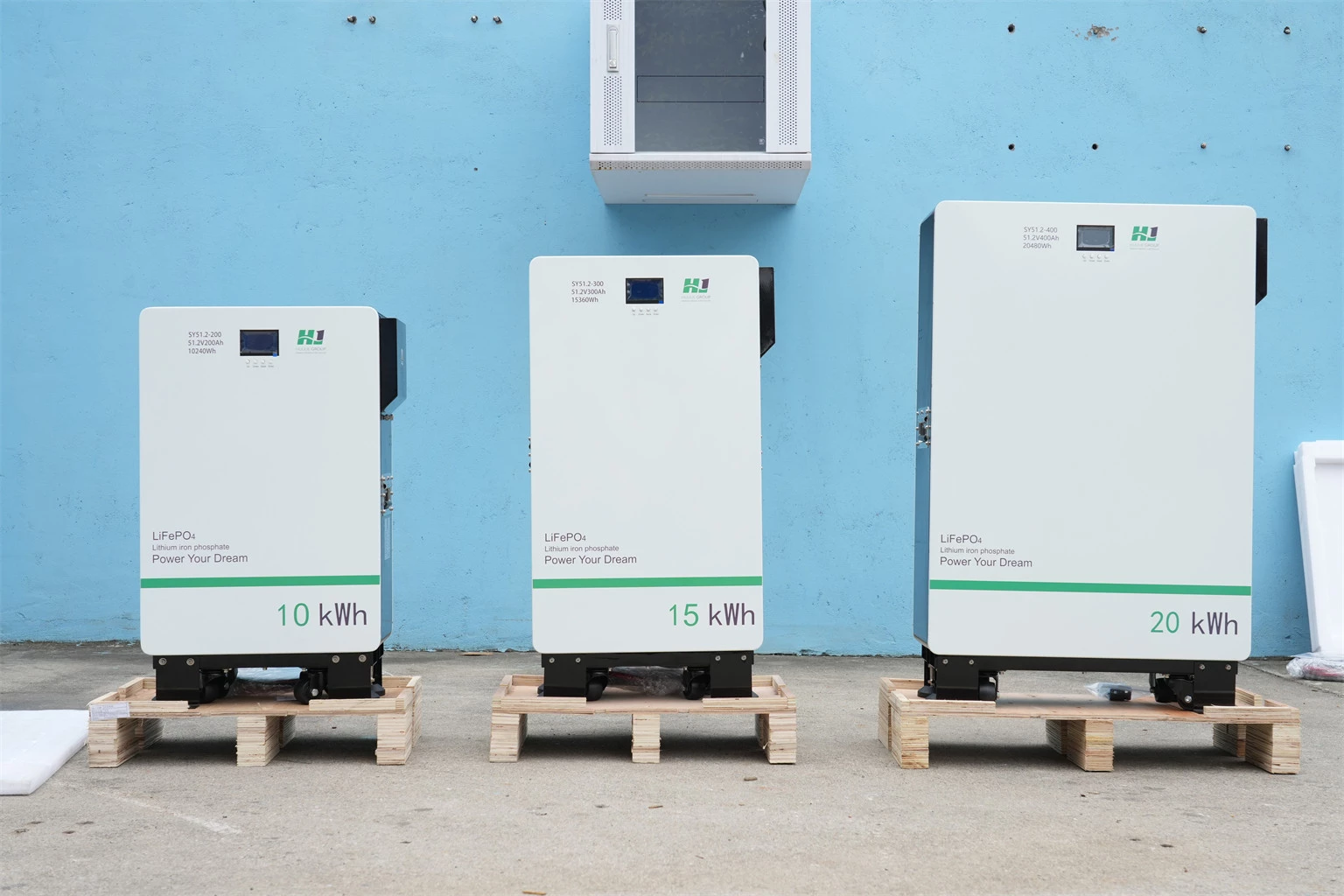
I. Why is everyone paying attention to "solar energy + energy storage" now?
In the past two years, "solar energy storage system" has suddenly become a high-frequency word in the global home energy field. From Europe and the United States to Southeast Asia, from industry and commerce to home users, everyone is asking the same question:
"Should I also install a solar + battery energy storage system?"
The reason is very realistic:
- Electricity prices continue to rise: especially in time-disping electricity price areas, peak electricity prices are so high that people dare not turn on the air conditioner.
- Power outages are more frequent: rainstorms, typhoons, line maintenance, and community tripping are becoming more and more common.
- Key household appliances cannot be cut off: refrigerators, WiFi, air conditioners and computers are all necessary.
- The demand of families for "energy independence" has increased: I hope to get rid of the complete dependence on the power grid and make the home have electricity at any time.
With the cost decline and the maturity of energy storage technology, more and more families have begun to configure solar battery storage inverter, and pay attention to a core issue:
Should I choose AC coupling or DC coupling?
This is the key to determining the efficiency, cost and future scalability of the system. This article will help you thoroughly understand AC vs DC coupling in the most popular and professional way, so that you can make the most correct choice according to the actual situation of your home.
II. What is an AC-Coupled energy storage system?
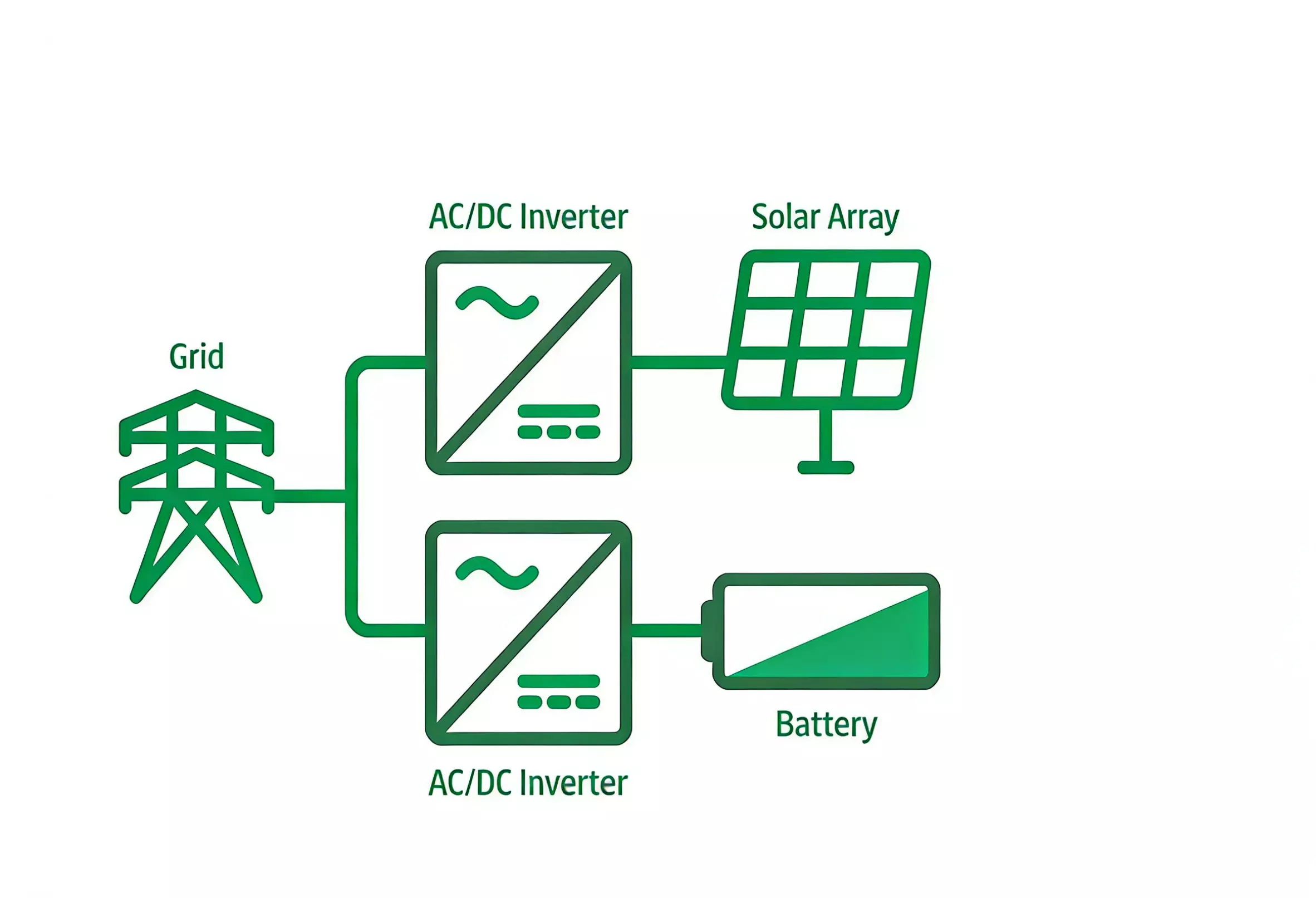
AC Coupling is suitable for families who already have grid-connected photovoltaic systems and want to install energy storage batteries. It is also the most commonly used retrofit structure in the world.
1. AC coupling structure principle
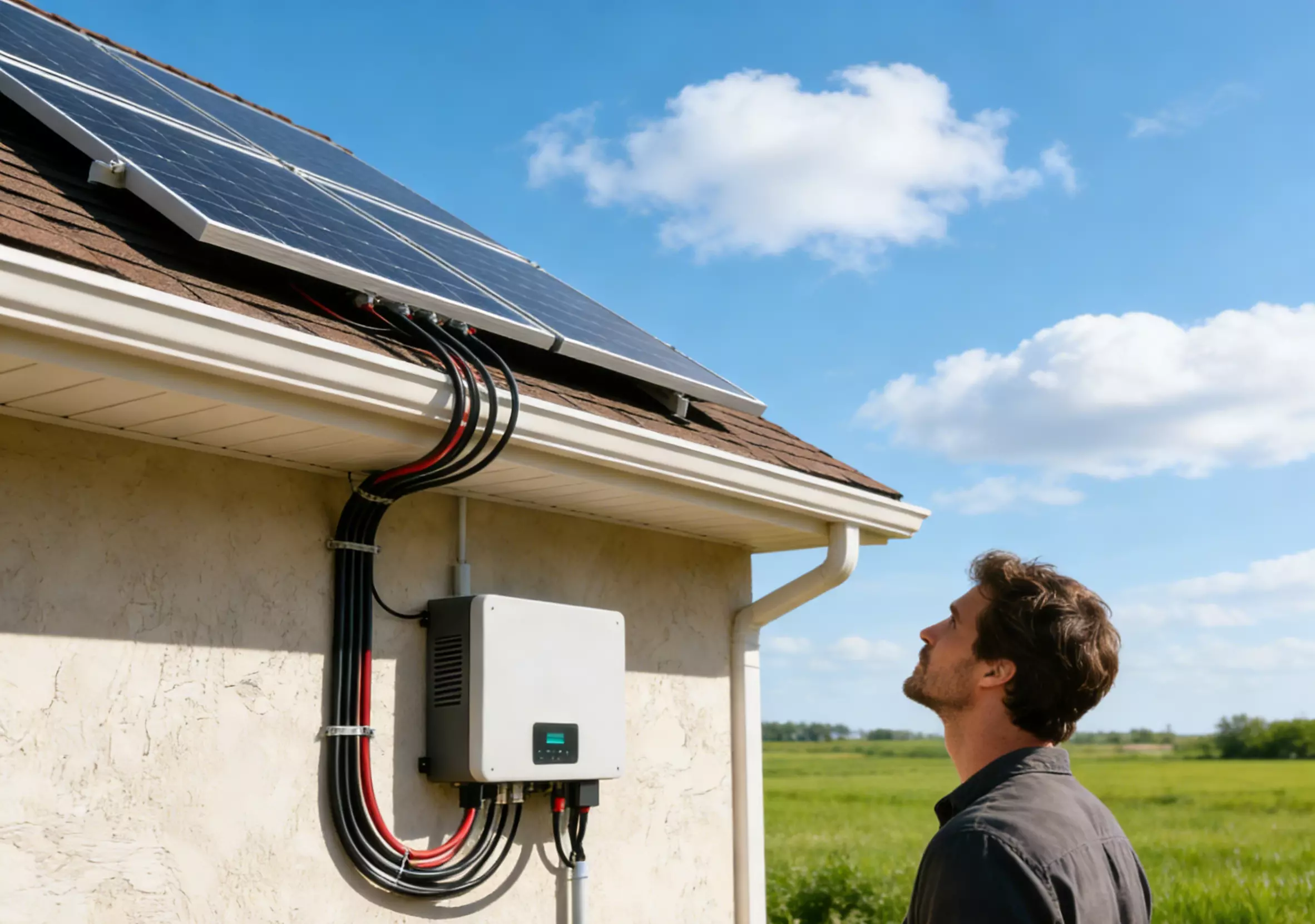
Solar module → Grid-connected inverter (PV) → AC power → charging inverter/energy storage inverter → battery
The direct current (DC) emitted by solar energy is first converted into alternating current (AC) by the grid-connected inverter, and then the battery is charged by the battery storage inverter for solar.
2. Advantages of AC coupling
- Perfectly adapt to the existing photovoltaic system
- There is no need to dismantle the old inverter or re-lay the line, and the cost can be controlled.
- Strong compatibility and more flexible system expansion: Want to add 5kWh? Or do you want to expand the capacity to 20kWh? The AC architecture can be adapted.
- Easier installation and shorter transformation cycle: Low requirements for the installation team, fast construction, suitable for home upgrade.
3. Disadvantages of AC coupling
- The energy conversion path is longer and the efficiency is slightly lower: DC → AC → DC → AC, there is a conversion loss.
- The system configuration is relatively more complicated: Multi-inverter collaboration requires more accurate system design.
AC coupling is usually used for:
- Home retrofit, micro-network system, application scenarios that require flexible capacity expansion.
III. What is a DC-Coupled energy storage system?
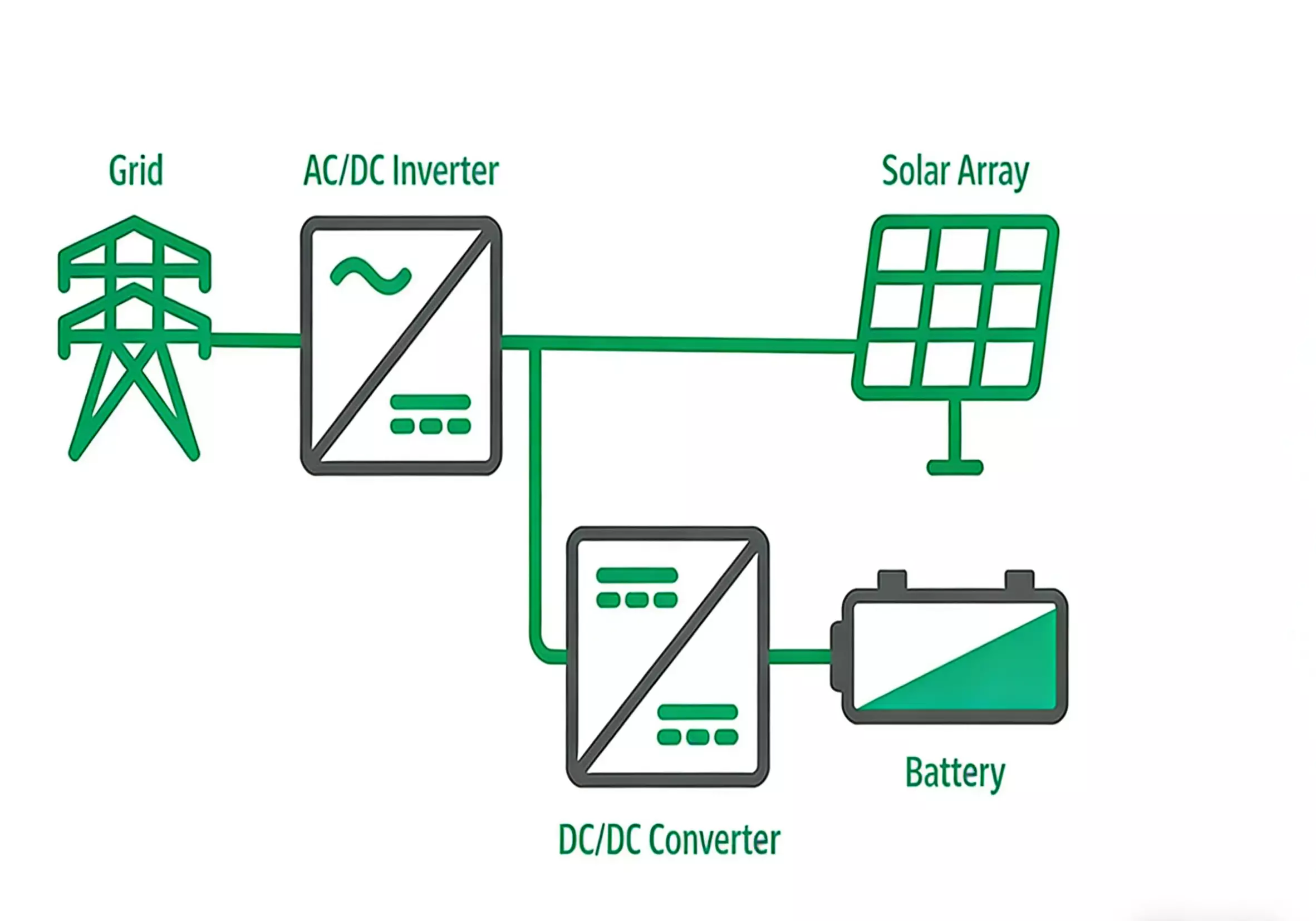
DC coupling is more suitable for new solar + energy storage systems, especially off-grid systems.
1. DC coupling structure principle
Solar module → MPPT (photovoltaic controller) → battery → Hybrid inverter → household load/grid connection
The electric power path is shorter, and the energy only needs to go through a DC→AC conversion, so the DC coupled solar battery inverter is very efficient.
2. Advantages of DC coupling
- Higher conversion efficiency (minimum Energy Loss): The solar energy is directly to the battery first, and there is no need for AC transit.
- The overall cost of the new system is lower: One independent network-inverter hardware is missing.
- Solar energy gives priority to charging the battery:
- It is suitable for users with high electricity prices and rich solar energy.
3. Disadvantages of DC coupling
- The old system is difficult to modify: The original inverter needs to be replaced with hybrid inverter.
- Expansion is limited by the inverter: PV input power and battery capacity should follow the inverter parameters.
DC coupling is often used in:
- Newly built home photovoltaic systems, off-grid projects, and small microgrids.
IV. AC vs DC coupling: core difference comparison
| Comparison Item | AC Coupled | DC Coupled |
|---|---|---|
| Target user | Retrofit to existing PV | Brand-new solar + storage |
| Charging efficiency | Slightly lower (multiple AC/DC stages) | Higher (direct DC→DC) |
| Installation difficulty | Low | Medium |
| Cost | Usually a bit higher | Lower for new-build |
| Power expansion | More flexible; battery can be sized independently | Limited by hybrid inverter rating |
| Typical applications | Residential retrofit, C&I, micro-grids | New residential, off-grid, micro-grids |
V. Is your family suitable for AC or DC?
1. Home users
Photovoltaic → AC coupling has been installed
- Don't move the existing network-lined inverter, just add the battery directly.
Prepare to build a new system → DC coupling
- The integrated system is simpler and more efficient.
2. Industrial and commercial applications
Require high efficiency and high power → DC is preferred
- Especially high-spontary self-use enterprises.
Need to continuously expand capacity and superimpose energy storage → AC is more suitable
- Support phased investment.
3. Off-line system (key points)
- DC coupling + Hybrid Inverter (solar energy storage inverter) must be used off the network.
- Reason: Don't rely on the power grid, more efficient, fast charging speed, the system is more stable.
- It is very suitable for: villas, mountain homestays, camps, farms, small micro-networks and other applications.
VI. The key role of energy storage inverter in coupling structure
Whether AC or DC coupling, solar battery storage inverter is the "brain" of the whole system, and its core functions include:
- MPPT tracking control: Maximize the power generation efficiency of photovoltaic modules.
- Battery charging and discharging management: Control the charging current and voltage to extend the life of lithium battery or lead acid battery.
- Multi-port coordination: Coordinate the energy distribution of solar energy, batteries, power grids and household loads.
- Electrical safety protection: Including:
- Overvoltage/low-voltage protection
- Overcurrent protection
- Over-temperature protection
- Reverse connection protection
- Island effect protection
High-quality PV battery storage converter can significantly improve the stability and security of the system.
VII. Why do more and more users choose professional manufacturers?
In fact, there is no "absolute optimal" in choosing AC coupling or DC coupling.
The key is:
- Has your home installed photovoltaics?
- Do you want to save costs or pursue efficiency?
- Are you considering future capacity expansion?
- Is there any need to leave the network?
This is also why more and more customers choose to let professional manufacturers do the overall evaluation.
For example, HuiJue Group provides:
- Photovoltaic inverter
- Solar battery storage inverter
- Hybrid Inverter Hybrid Inverter
- Full set of energy storage system (ESS)
- EMS intelligent control system
It can design the most suitable AC or DC coupling scheme for you according to the user's home load, future capacity expansion needs and budget to avoid stepping on pitfalls.
Home Solar Inverter Buying Guide
VIII. Real case: How to apply different coupling methods?
- Home photovoltaic transformation energy storage (AC coupling): keep the old inverter and only add the energy storage module.
- Independent power supply for newly built villas (DC coupling + hybrid inverter): high efficiency, off-grid operation.
- Industrial and commercial peak and valley arbitrage (AC coupling + large-capacity energy storage): solve high-load scenarios.
- Micro-network system (hybrid AC/DC): suitable for rural areas, islands, mining areas and other complex power supply.
IX. Summary: How to choose the correct coupling method for your solar system?
Remember 3 sentences:
- Your home already has photovoltaics → choose AC coupling
It is the most cost-effective and the easiest to transform. - Want to create a new system → Choose DC coupling
High efficiency and lower cost. - If there is an off-network need → Must choose DC+Hybrid Inverter
It is the safest way to make electricity available at home at any time.
Learn more about solar battery storage inverter solutions
Want to customize the AC/DC coupled solar energy storage scheme for your home?
Contact us to get a quotation, so that your home can say goodbye to power outages and high electricity prices from now on.