Executive Summary
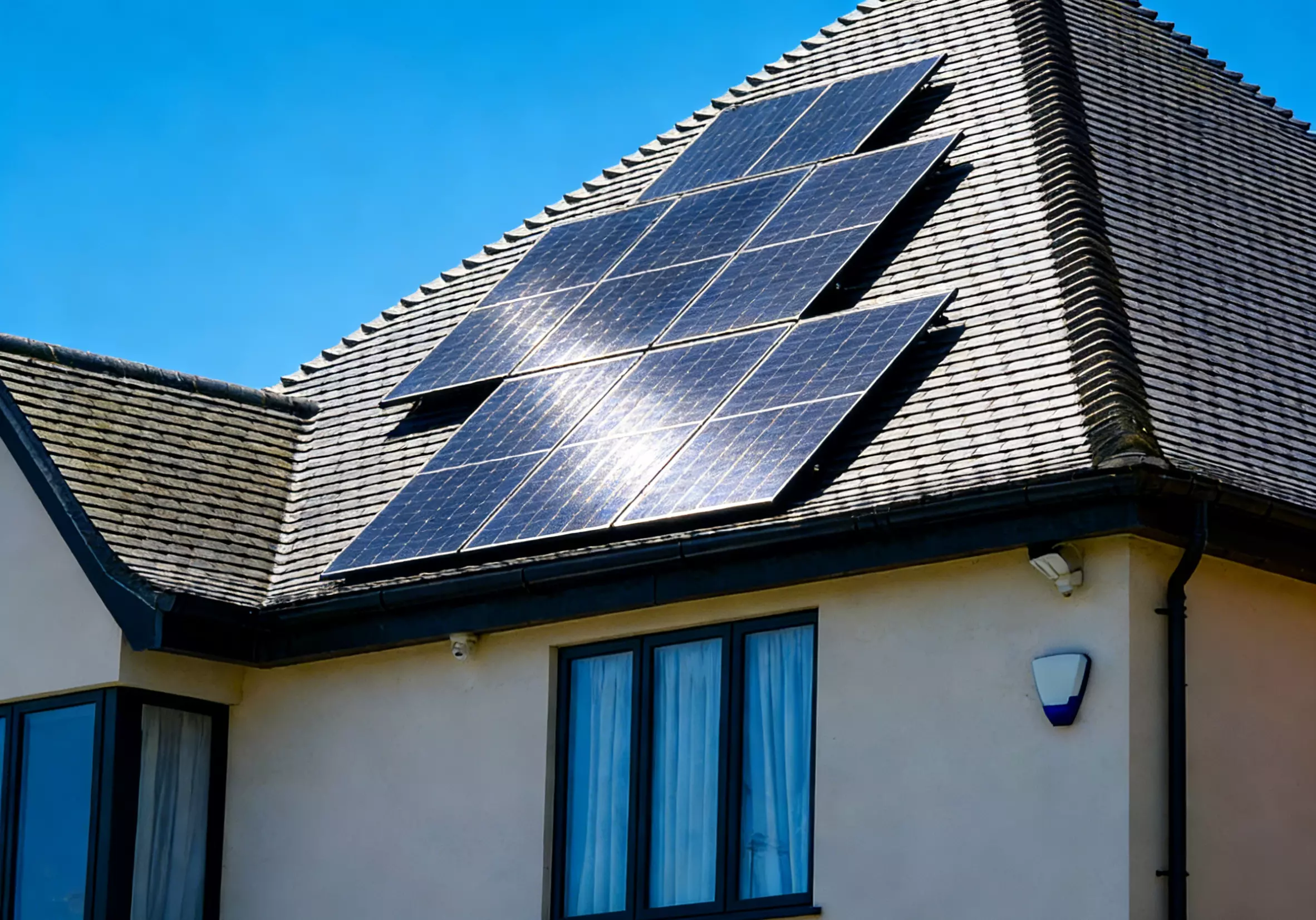
This in-depth guide explores the future of solar plus storage design for office buildings in Singapore, focusing on the 2025 landscape. We delve into the critical application scenarios, cost-benefit analysis, policy incentives, and technical specifications that facility managers, building owners, and sustainability consultants need to know. With energy resilience and sustainability becoming paramount, integrating a commercial solar storage system is no longer a luxury but a strategic necessity for Singapore's commercial sector.
Introduction: The Rise of Solar+Storage in Singapore's Urban Landscape
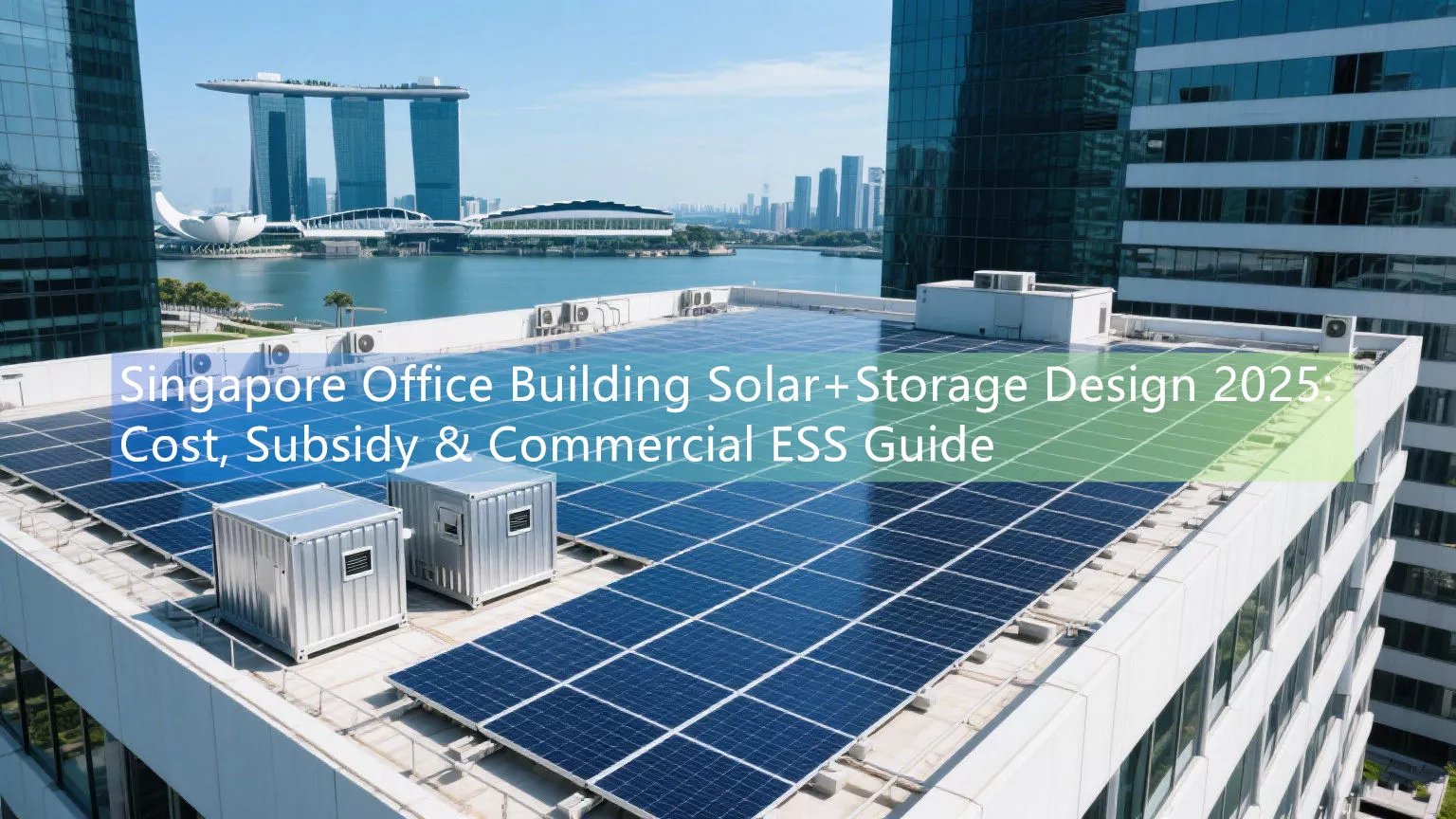
Singapore's commitment to a sustainable future, as outlined in the Singapore Green Plan 2030, has accelerated the adoption of renewable energy. For commercial buildings, which account for a significant portion of the nation's energy consumption, solar energy storage for office buildings presents a compelling solution. The combination of rising electricity costs, enhanced government support, and advancing technology makes 2025 a pivotal year for commercial solar installation in Singapore. This article provides a detailed roadmap for designing and implementing a robust solar-plus-storage system tailored to the unique needs of Singaporean office buildings.
Singapore Commercial Solar+Storage Application Scenarios and Cost Analysis
The design of a solar-plus-storage system for a commercial building is not one-size-fits-all. It depends on the building's energy profile, physical constraints, and financial goals.
Primary Application Scenarios:
- Peak Shaving and Electricity Cost Reduction: Office buildings have predictable energy patterns, with peaks occurring during midday operations. A battery energy storage system (BESS) can be charged by solar panels during the day and discharged during peak grid demand hours (typically 5 PM - 11 PM), when electricity tariffs are highest. This avoids drawing expensive power from the grid, leading to direct savings on utility bills.
- Backup Power and Enhanced Resilience: Singapore's tropical weather can lead to grid fluctuations. A solar+storage system can provide critical backup power to essential loads (e.g., servers, emergency lighting, elevators) during grid outages, ensuring business continuity and protecting sensitive equipment.
- Maximizing Solar Self-Consumption: Without storage, excess solar energy generated on weekends or sunny days is exported to the grid at a lower rate. Storage allows buildings to capture this excess and use it later, significantly increasing the self-consumption ratio and improving the return on investment (ROI) of the solar PV system.
- Supporting ESG Goals and Green Certifications: Implementing a clean energy solution directly contributes to corporate Environmental, Social, and Governance (ESG) targets and can help buildings achieve or maintain higher BCA Green Mark certifications, enhancing their market value and corporate image.
2025 Cost Data (Equipment + Installation)
Projecting costs for 2025 requires considering current trends and market forecasts. Prices for lithium-ion batteries and solar panels have been on a general downward trend, though supply chain factors can cause short-term fluctuations.
A typical commercial solar storage system for a mid-sized office building in Singapore (e.g., a 500 kW solar PV system paired with a 500 kWh / 250 kW storage system) might have the following estimated cost structure for 2025:
| Cost Component | Estimated Cost (SGD) - 2025 Projection | Notes |
|---|---|---|
| Solar PV System (500 kW) | $450,000 - $600,000 | Includes high-efficiency panels, inverters, mounting structures, and DC/AC wiring. |
| Battery Storage System (500 kWh / 250 kW) | $350,000 - $500,000 | Includes lithium-ion (LFP) battery racks, bi-directional inverter, BMS, and enclosure. |
| System Integration & Design | $80,000 - $120,000 | Engineering, system design, SCADA/EMS integration, and project management. |
| Installation & Civil Works | $70,000 - $100,000 | Labour, cabling, electrical works, and potential reinforcement. |
| Permits & Regulatory Compliance | $15,000 - $25,000 | Submission fees, utility approval processes, etc. |
| Total Estimated Project Cost | $965,000 - $1,345,000 | |
| Estimated SGD per kWh of Storage | ~$700 - $1,000 / kWh | Cost highly dependent on system size and technology. |
Note: These are indicative figures. A precise quotation requires a detailed site survey and energy audit. The total cost can be significantly offset by government incentives (detailed below).
Policy Subsidies and Financial Case Study
The Singapore government actively encourages commercial entities to invest in renewable energy and storage solutions through various schemes.
Key Incentives:
- Investment Allowance (IA) Scheme: Under the Energy Efficiency Grant, businesses can receive an allowance of up to 100% on qualifying investments in energy-efficient equipment, which includes solar PV and storage systems. This effectively reduces the taxable income of the company by the full cost of the equipment.
- SolarNova Programme: While primarily for public sector deployment, this programme aggregates demand across government agencies and accelerates solar adoption, creating a mature and competitive local market that benefits all players.
- Enhanced Central Procurement (ECP) for Energy Storage Systems (ESS): The Energy Market Authority (EMA) has allocated funds to procure ESS for providing grid services, demonstrating commitment and supporting the broader ecosystem.
Financial Case Study: 78 Shenton Way (Hypothetical Example Based on Real-World Data)
- Building: A 40-story commercial tower.
- System Installed (2024): 600 kW rooftop solar PV array + 600 kWh / 300 kW containerized lithium-ion battery system.
- Capital Outlay: Approximately S$1.2 million.
- Incentives Utilized: Investment Allowance (IA) Scheme, reducing the effective project cost by nearly 40% when considering tax savings.
- Results:
- Annual Energy Savings: Saves ~S$120,000 per year on electricity bills through peak shaving and increased self-consumption.
- Payback Period: The financial incentives reduce the payback period to an estimated 6-8 years.
- ROI: Achieves an attractive ROI of over 12% post-payback.
- Resilience: Provides 4-6 hours of backup power for critical loads during a grid outage.
Technical Specifications and Product Compatibility
Selecting the right equipment is crucial for efficiency, safety, and longevity. The system must be designed for Singapore's high humidity and temperatures.
Power and Capacity Matching for Singapore
A well-designed system requires careful analysis of the building's load profile. Key steps include:
- Energy Audit: Analyzing 12 months of electricity data to identify baseload and peak demand.
- Solar Yield Assessment: Using tools like PVsyst to model solar production based on roof area, tilt, and shading.
- Storage Sizing: The battery capacity (kWh) should be sized to cover the desired duration of backup or peak shaving. The power rating (kW) of the battery inverter must be sufficient to meet the simultaneous discharge demand of the selected critical loads.
Product Model Compatibility and Recommendations
Inverters are the heart of the system, and choosing one that is compatible with both solar and storage is key. Modern hybrid inverters or storage-ready inverters are designed for this purpose.
For commercial-scale applications, 3-phase string inverters that can be coupled with a centralized battery storage system are often the preferred solution due to their scalability and maintenance advantages.
- Recommended Product Type: High-capacity, three-phase hybrid inverters. For example, a solution like the HuiJue 3-Phase Hybrid Inverter Series is engineered for commercial use, offering high efficiency and seamless switching between grid, solar, and battery power. These inverters support parallel operation for capacity expansion and are compatible with various lithium-ion battery technologies. Explore our commercial inverter solutions here.
Technical Comparison Table
| Parameter | Industry Standard (100-300 kW Range) | Notes for Singapore Context |
|---|---|---|
| Battery Chemistry | Lithium Iron Phosphate (LFP) | Preferred choice. Safer, longer lifespan, and better suited for high ambient temperatures than NMC. |
| Round-Trip Efficiency | 88% - 94% | Higher efficiency means less energy is lost in the charge/discharge cycle. |
| System Capacity | Scalable from 500 kWh to several MWh | Modular designs allow for future expansion as needs grow. |
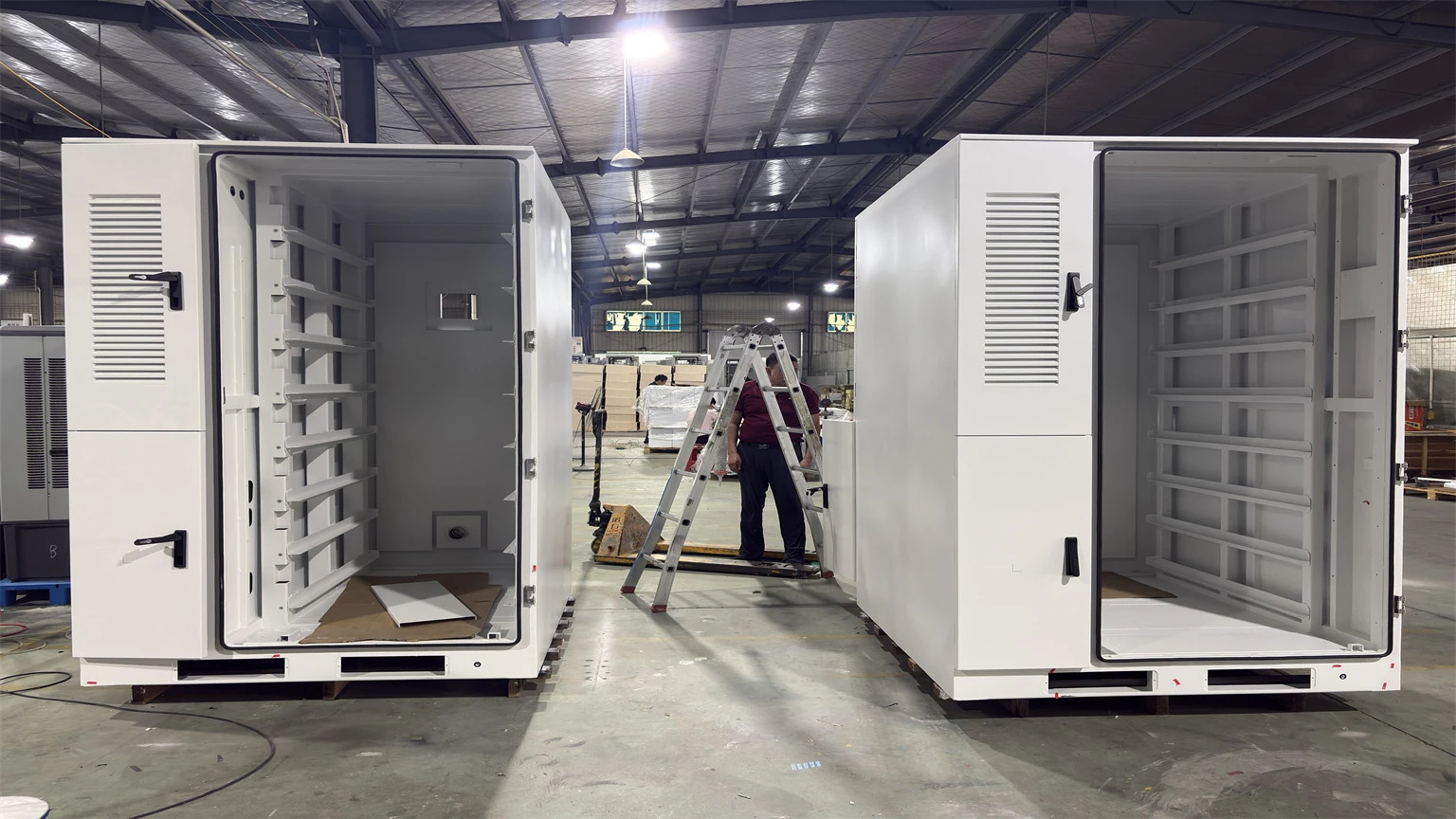
| Containerized Solution | 20ft or 40ft standard containers | Common for large commercial systems. Offers plug-and-play installation, ease of permitting, and contains thermal management systems. |
| Expected Lifespan | 15-20 years (Solar PV), 10-15 years (Battery) | LFP batteries typically have a cycle life of 6000+ cycles. |
| Grid Services Capability | Frequency Regulation, Volt-Watt Support | Advanced inverters can provide grid support functions, which may become monetizable in future market designs. |
Case Study: JTC Summit's Sustainable Energy Journey
- Project: JTC Summit, a prominent commercial building in the Jurong East district.
- Challenge: Reduce operational costs and enhance sustainability credentials while ensuring a reliable power supply for tenants.
- Solution (Implemented in 2023): A comprehensive rooftop solar PV system was integrated with a newly installed 1 MWh battery energy storage system.
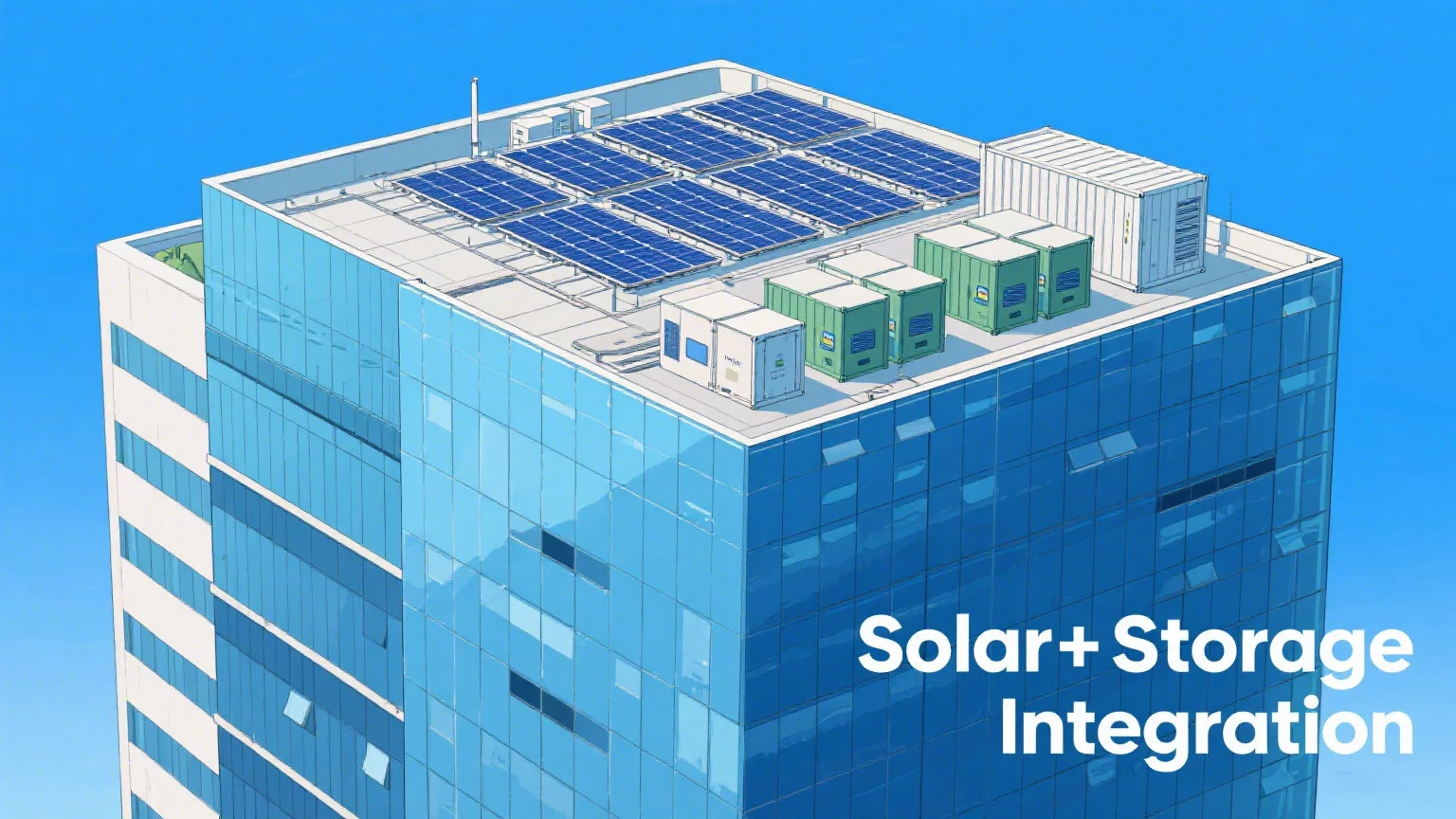
- Implementation: The BESS was installed in a containerized format on the premises, connected to the building's main distribution board. An advanced Energy Management System (EMS) automatically controls the charging and discharging cycles based on real-time electricity prices and building demand.
- Outcome: The system successfully reduces the building's peak demand charge from the grid by over 30%. It also stores surplus solar energy generated during off-peak hours, increasing the on-site consumption of renewable energy and solidifying JTC Summit's position as a leader in corporate sustainability.
After-Sales Support and Warranty
Investing in a solar+storage system is a long-term decision. Robust after-sales support is non-negotiable.
- 24/7 Remote Monitoring & Technical Support: Most reputable providers, including HuiJue, offer continuous system monitoring and rapid response technical support to diagnose and resolve issues remotely, often before the client is even aware of a problem.
- Comprehensive Warranty: Look for products with long warranty periods (e.g., 10 years for inverters, 10-year/6000-cycle warranty for batteries). Ensure the warranty includes performance guarantees (e.g., battery capacity retention above 70% at end of warranty).
- Localized Service Network: Having certified local technicians and partners in Singapore ensures that any required on-site maintenance or repairs can be carried out swiftly, minimizing downtime. We ensure spare parts availability and local expertise to serve our clients in Singapore.
Conclusion and Call to Action
Designing a solar plus storage system for a Singapore office building in 2025 is a complex but highly rewarding endeavor. The confluence of improving economics, strong government support, and proven technology makes it a strategic investment for any forward-thinking business. It delivers tangible financial returns, unparalleled energy resilience, and a significant boost to sustainability goals.
The key to success lies in a meticulous design process that accurately sizes the system, selects high-quality and compatible components like reliable commercial hybrid inverters, and partners with an experienced provider capable of offering long-term support.
Ready to explore the potential for your building?
Contact our team of experts today for a free, no-obligation preliminary assessment and see how our tailored solar and storage solutions can power your business's future.
Frequently Asked Questions (FAQ)
Q1: What is the typical payback period for a commercial solar+storage system in Singapore in 2025?
A: With current incentives like the Investment Allowance scheme, payback periods typically range from 6 to 9 years, depending on system size, energy usage patterns, and specific technology chosen. After the payback period, the system provides virtually free electricity for the remainder of its lifespan.
Q2: Can my building's roof support the weight of solar panels and a battery container?
A: This is a critical engineering consideration. A structural integrity assessment is always conducted during the feasibility study. Most modern commercial buildings in Singapore are designed to handle additional loads, and solutions like ballasted mounts (for roofs) or ground-mounted containers are available to avoid penetration or reinforce the structure.
Q3: How much maintenance does a solar+storage system require?
A: Solar PV systems require minimal maintenance (primarily periodic cleaning of panels). Modern battery systems are largely hands-off, with built-in Battery Management Systems (BMS) that handle all operations. Annual preventative maintenance checks by a certified technician are recommended to ensure everything is operating at peak performance.
Q4: Are there any safety concerns with having a large battery system in my building?
A: Lithium Iron Phosphate (LFP) chemistry, which is the industry standard for commercial storage, is inherently safer than other lithium-ion chemistries. Commercial systems are equipped with comprehensive safety features including advanced battery management, fire suppression systems, thermal runaway detection, and are installed in accordance with strict SCDF and EMA guidelines.
Q5: Can I expand my system in the future if my energy needs grow?
A: Yes. A well-designed system using modular components (both inverters and battery racks) can be scaled up relatively easily to accommodate increased energy demand, such as from tenant expansion or the adoption of EV charging stations.