Introduction: The Growing Importance of Home Battery Storage in Poland’s 2025 Energy Market
Poland’s transition toward renewable energy is at a critical stage in 2025. With electricity prices increasing by 12% year-over-year and growing concerns about grid stability—especially due to extreme weather—more Polish households are adopting solar power combined with battery storage. These systems not only reduce monthly expenses but also provide greater energy independence, backup power during outages, and support Poland’s commitment to EU climate targets, including a 55% reduction in emissions by 2030.
This guide offers a detailed overview of the household battery market in Poland for 2025, covering actual prices (equipment and installation), government subsidies, technical comparisons, and return-on-investment examples. Whether you live in Warsaw, Kraków, or a rural area, you’ll find practical information to help select the right system for your home.
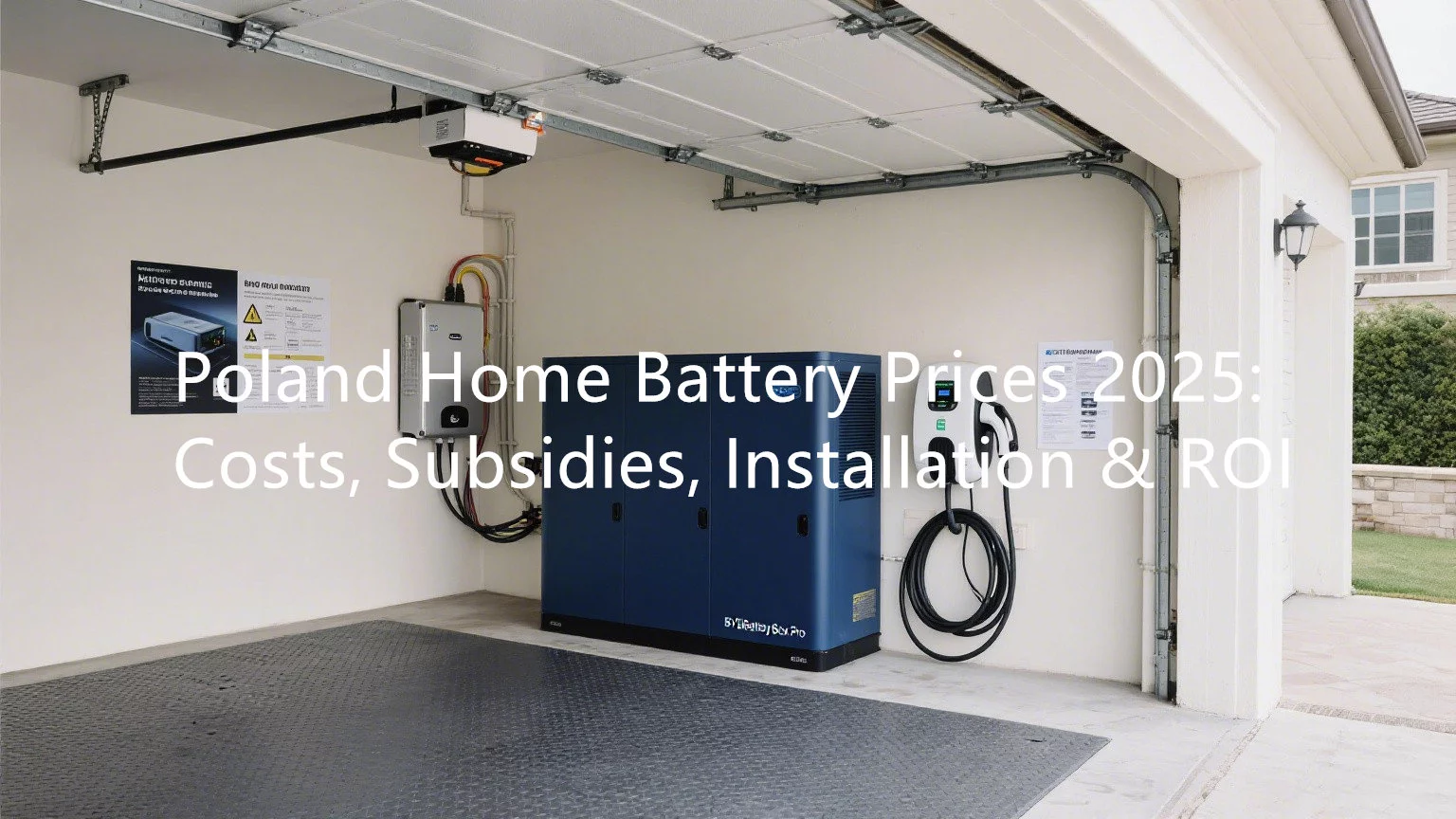
Poland’s 2025 Home Battery Market: Trends and Demand
The residential battery market in Poland has expanded rapidly, influenced by three major factors:
- Solar Expansion: By the end of 2024, more than 3.5 GW of residential solar capacity had been installed, increasing demand for storage solutions to utilize surplus solar energy.
- Rising Electricity Costs: Peak-hour electricity rates reached 1.20 PLN/kWh (approximately €0.27) in 2025, making stored solar energy—produced at minimal cost—increasingly economical.
- Policy Support: Government programs such as “Mój Prąd” (My Electricity) now include subsidies for battery storage, significantly reducing upfront costs for homeowners.
The average Polish household (60–120 m²) consumes between 3,000 and 4,500 kWh per year. A 10 kWh battery combined with a 5 kW solar installation typically meets 50–80% of daily energy needs—sufficient for lighting, appliances, and even heating in smaller homes during winter.
2025 Costs: Battery Equipment and Installation in Poland
When evaluating prices, it’s important to consider both the battery unit and installation expenses—including labor, wiring, and compatibility verification with existing solar systems. Below is a cost breakdown for popular systems in 2025:
Price Comparison by System (in PLN and EUR)
| Battery Model | Capacity | Equipment Cost (PLN) | Installation Cost (PLN) | Total (PLN) | Total (EUR) |
|---|---|---|---|---|---|
| Tesla Powerwall 3 | 13.5 kWh | 18,000 – 20,000 | 3,500 – 4,500 | 21,500–24,500 | €4,780–€5,440 |
| LG Chem RESU 10H | 10 kWh | 15,000 – 16,500 | 3,000 – 4,000 | 18,000–20,500 | €4,000–€4,560 |
| Sonnen Eco 8 | 8 kWh | 16,000 – 17,500 | 3,200 – 4,200 | 19,200–21,700 | €4,270–€4,820 |
| BYD Battery-Box Pro | 15 kWh | 19,000 – 21,000 | 4,000 – 5,000 | 23,000–26,000 | €5,110–€5,780 |
Exchange rate used: 1 EUR ≈ 4.5 PLN. Source: Polish Institute of Renewable Energy (IEO) Q1 2025 Report
Regional Cost Variations
- Urban Areas (e.g., Warsaw, Kraków): Installation costs are 10–15% higher due to elevated labor rates and potential challenges such as upgrading older electrical systems.
- Rural Areas (e.g., Mazovia, Lesser Poland): Labor is generally cheaper, but limited availability of certified installers may lead to travel surcharges, increasing total costs by around 5%.
Battery Technologies and Compatibility: Choosing the Right System for Your Home
Batteries vary in technology and performance. In Poland, the most common types are lithium-ion (Li-ion) and lithium iron phosphate (LFP). Here’s what you should consider:
Li-ion vs. LFP: Advantages and Disadvantages
- Lithium-Ion (e.g., Tesla Powerwall 3):
- Advantages: Rapid charging (suitable for capturing sudden spikes in solar generation), high efficiency (94%), and compact size.
- Disadvantages: Slightly higher fire risk (though modern systems include safety enhancements) and shorter service life (around 10,000 cycles).
- LFP (e.g., BYD Battery-Box Pro):
- Advantages: Enhanced safety (thermally stable, lower fire risk), longer lifespan (12,000+ cycles), and improved performance in cold weather.
- Disadvantages: Slower charging and larger physical size.
Sizing Your Battery According to Household Needs
- Small Households (1–2 people): 8 kWh systems (e.g., Sonnen Eco 8) can power essential devices such as lighting, phones, and a refrigerator.
- Medium Households (3–4 people): 10–13.5 kWh systems (e.g., LG RESU 10H, Tesla Powerwall 3) support cooking, heating, and entertainment systems.
- Large Households (5+ people/EV owners): 15 kWh and above (e.g., BYD Battery-Box Pro) are suitable for electric vehicle charging and high-energy appliances.
Inverter Compatibility
To ensure optimal performance, your battery should be compatible with your solar inverter. Most newer systems work with hybrid inverters, but it’s important to verify compatibility. For instance, inverters from brands like HuiJue—designed for European grid standards—integrate efficiently with batteries from Tesla, LG, and BYD, improving energy management between solar panels, storage, and home consumption.
2025 Subsidies: Financial Support for Solar-Plus-Storage in Poland
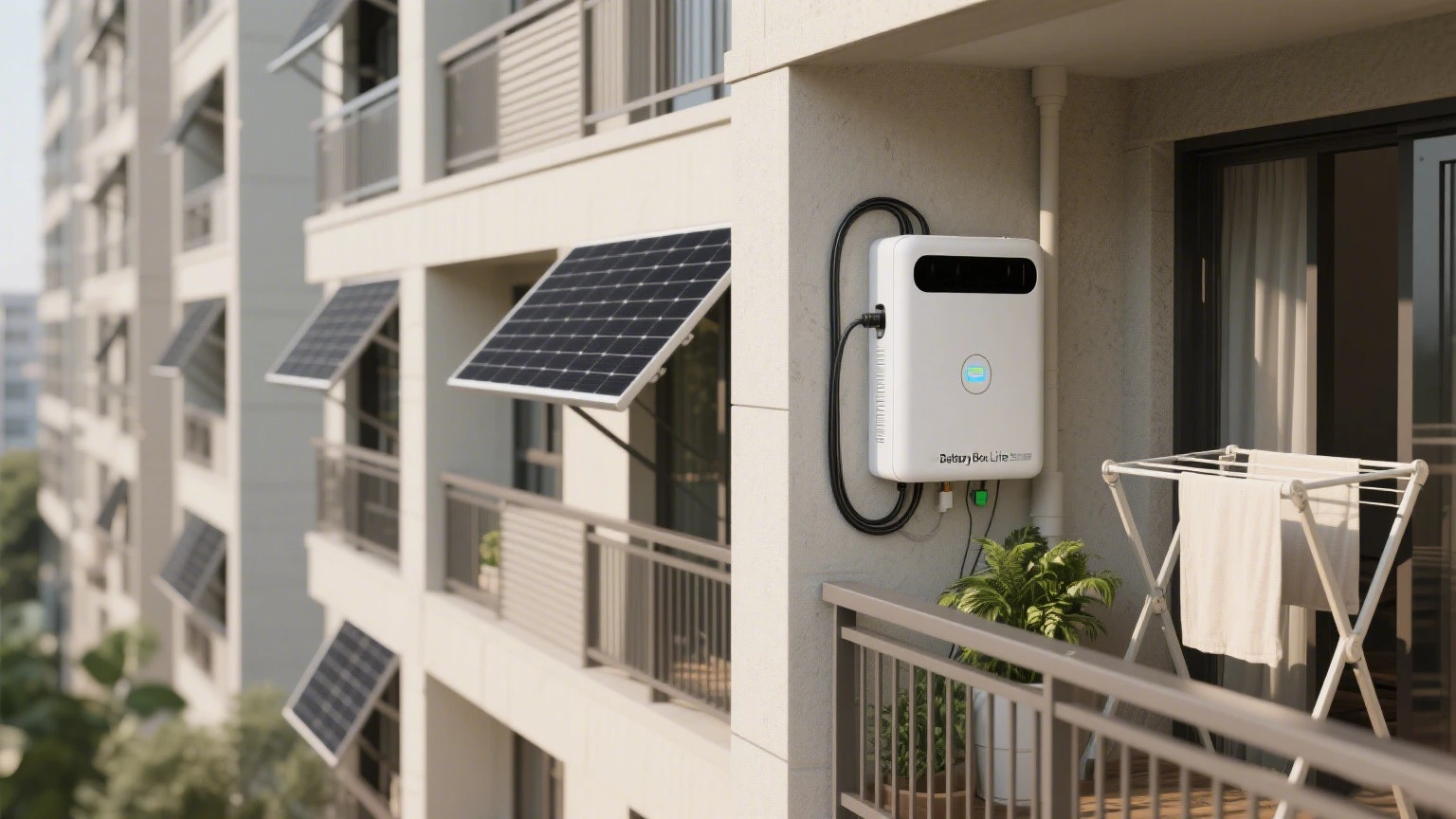
Poland’s 2025 “Green Home” initiatives significantly improve the affordability of battery storage. Key incentives include:
National Subsidies
- “Mój Prąd” Program: Covers 30% of the total system cost (battery + installation), up to 10,000 PLN (≈€2,220). Eligibility requires solar panels installed after 2023.
- Tax Deductions: Homeowners can deduct 20% of installation costs (maximum 5,000 PLN per year) from their income tax—resulting in annual savings of about 1,000 PLN over five years.
Regional Incentives
- Kraków and Gdańsk: Provide an extra 10% rebate for systems with eco-labels (e.g., EU Ecolabel), applicable in addition to national subsidies.
- Rural Regions: Provinces such as Mazovia and Podlasie offer grants of up to 5,000 PLN for off-grid homes to encourage battery adoption.
Real-World Example: Subsidy Savings in Kraków
A family in Kraków installed a 10 kWh LG Chem RESU 10H in early 2025:
- Total cost before subsidies: 20,500 PLN (≈€4,560)
- National subsidy (30%): 6,150 PLN
- Regional bonus (10%): 2,050 PLN
- Final cost after subsidies: 12,300 PLN (≈€2,730)
ROI: How Quickly Can a Battery Pay for Itself?
In Poland, home battery systems typically pay for themselves within 8–12 years—sooner with subsidies. Here’s how the savings break down:
Sources of Savings
- Energy Arbitrage: Store solar energy when prices are low (0.60 PLN/kWh) and use it during peak periods (1.20 PLN/kWh), saving approximately 1,800 PLN per year for a 10 kWh system.
- Reduced Grid Dependence: Homes with solar and storage can decrease grid electricity use by up to 70%, saving around 1,200 PLN annually.
- Backup Power: Avoids the expense of renting generators during outages (estimated 500 PLN per year in rural areas).
Example: ROI Calculation in Poznań
A four-person household in Poznań installed a 13.5 kWh Huijue battery system in 2025:
- Net cost after subsidies: 14,700 PLN (≈€3,270)
- Annual savings: 3,200 PLN
- Payback period: approximately 4.6 years
- System lifespan: 10+ years → Total net savings: roughly 17,300 PLN
Technical Specifications: Key Comparison Metrics
Beyond cost, consider the following performance metrics:
| Metric | Huijue 10kw solar inverter | LG Chem RESU 10H | BYD Battery-Box Pro |
|---|---|---|---|
| Cycle Life | 10,000+ | 6,000+ | 12,000+ |
| Depth of Discharge | 100% | 90% | 95% |
| Operating Temperature | -20°C to 50°C | -10°C to 50°C | -30°C to 50°C |
| Warranty | 10 years | 10 years | 15 years |
Practical Applications in Poland
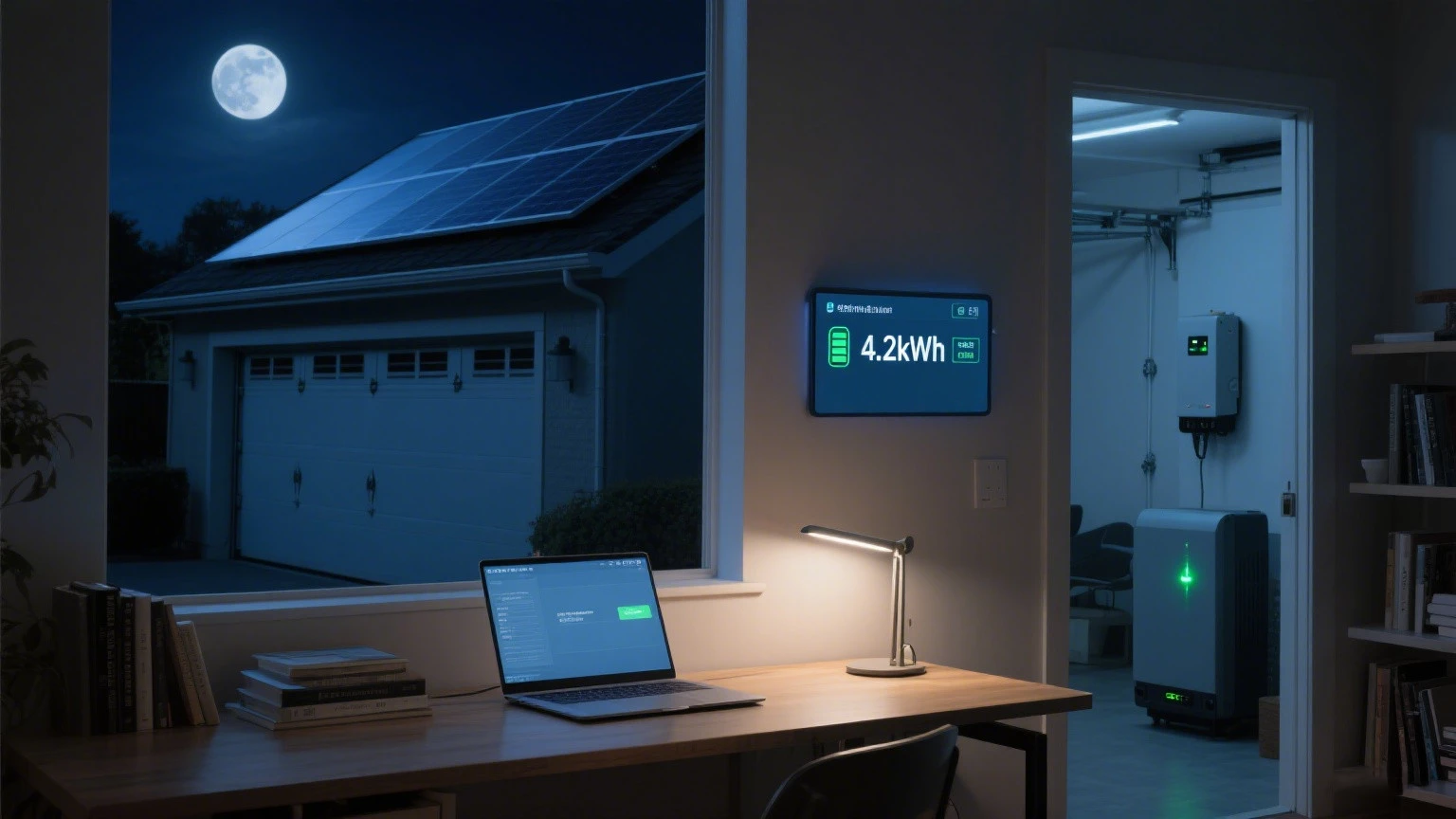
Polish homeowners use batteries for various purposes:
- Winter Backup: In regions like Zakopane, where snowstorms often cause power cuts, a 12 kWh system can provide heating for 2–3 days.
- EV Charging: Families in Wrocław use stored solar energy to charge electric vehicles, reducing fuel costs by up to 80% (around 3,000 PLN per year).
- Grid Support: Some utilities, including Tauron, compensate homeowners with 0.30 PLN/kWh for supplying stored energy during peak demand—adding over 500 PLN per year.
After-Sales Support: What to Consider
Reputable brands provide reliable service in Poland:
- Local Service: Companies such as Huijue, Tesla, LG, and BYD have service centers in major cities including Warsaw, Kraków, and Wrocław, typically offering 24–48 hour response times.
- Warranty Terms: Most manufacturers guarantee at least 70% capacity after 10 years (e.g., Tesla: 70% after 10 years; BYD: 80% after 15 years).
- Remote Monitoring: Mobile apps allow users to monitor battery performance and energy usage, helping to optimize efficiency.
Frequently Asked Questions
- Do I need a permit to install a home battery in Poland?
For systems under 30 kWh, no permit is required—only notification to your grid operator via a simple online form. - Can I expand my battery system later?
Yes. Systems from Huijue,Tesla and BYD, among others, are modular and allow for expansion. - Will battery prices continue to decrease in 2025?
Likely yes—lithium prices are expected to decline by 5–8% per year, though supply chain issues could cause temporary increases. - Which battery type is best for Polish winters?
LFP batteries (e.g., Huijue) generally perform better in very low temperatures (rated to -30°C).
Conclusion: 2025 Is an Ideal Year to Invest
With declining prices, attractive subsidies, and rising electricity costs, 2025 presents a compelling opportunity for Polish homeowners to invest in battery storage. Whether your priority is saving money, ensuring backup power, or supporting environmental goals, there is a system to meet your needs. Pairing with a compatible inverter, such as those from HuiJue, can further enhance efficiency and return on investment.
Begin by assessing your household energy consumption, exploring available subsidies, and comparing technical specifications—making a well-informed choice will benefit both your finances and the environment.
Sources: Polish Renewable Energy Association (PURE), International Energy Agency (IEA) 2025 Report, and local installer data.