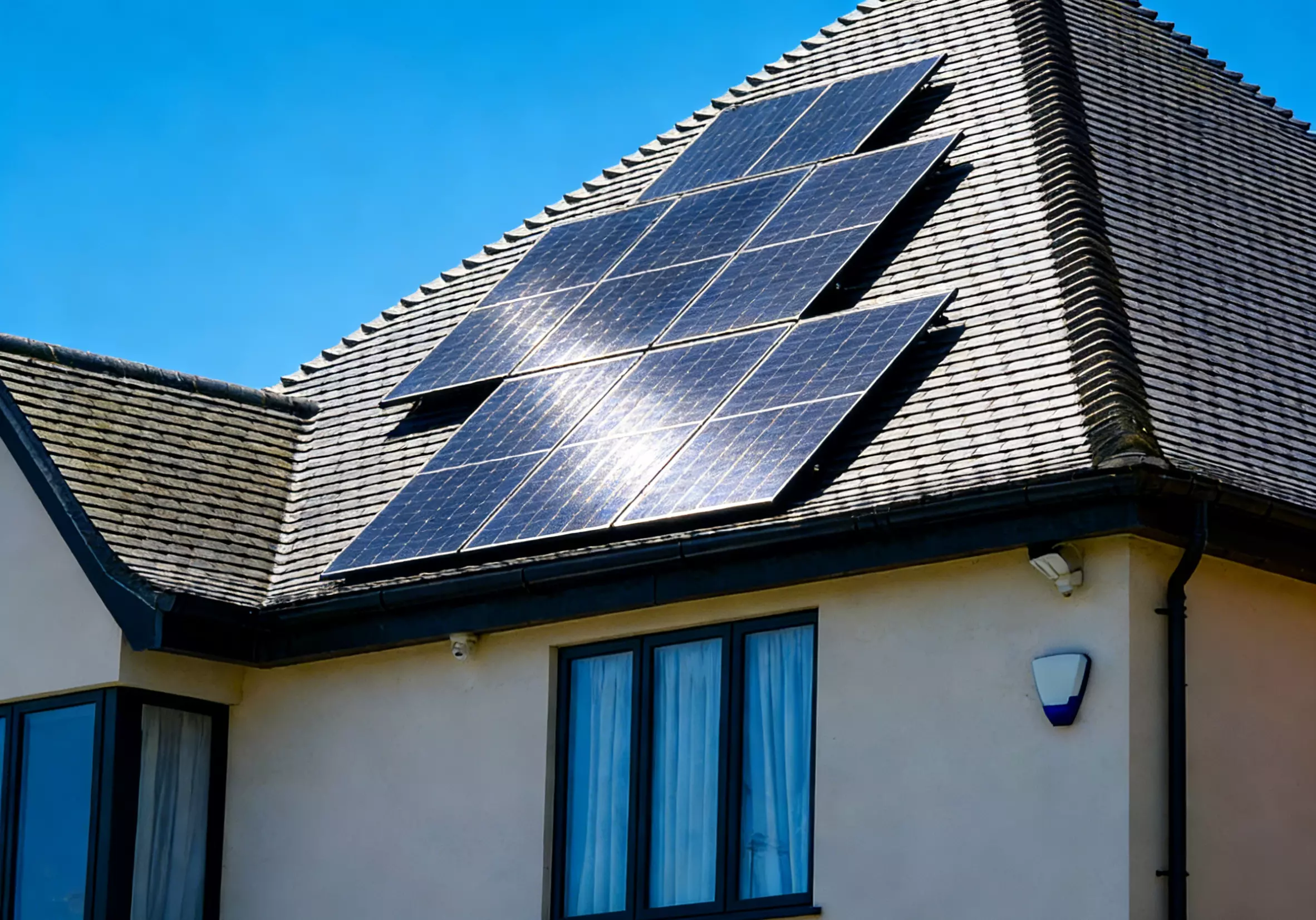
At the time of rising energy prices and more reliance on clean energy, off-grid photovoltaic systems are increasing in demand, especially in rural, remote or underdeveloped areas without access to the grid or with unreliable grid power supply. But for others who are new to this concept, the first thing that one wonders is: An off-grid photovoltaic system actually needs how many kilowatts?

Let us consider this question and attempt to decide how to make a cost-effective but forward-looking choice.
What is an off-grid photovoltaic system?
An off-grid photovoltaic system, or stand-alone solar system, operates entirely independent of the public grid. It produces electricity from the sun through solar panels and accumulates the electricity in batteries so that it can be utilized by appliances and devices even without sunlight.
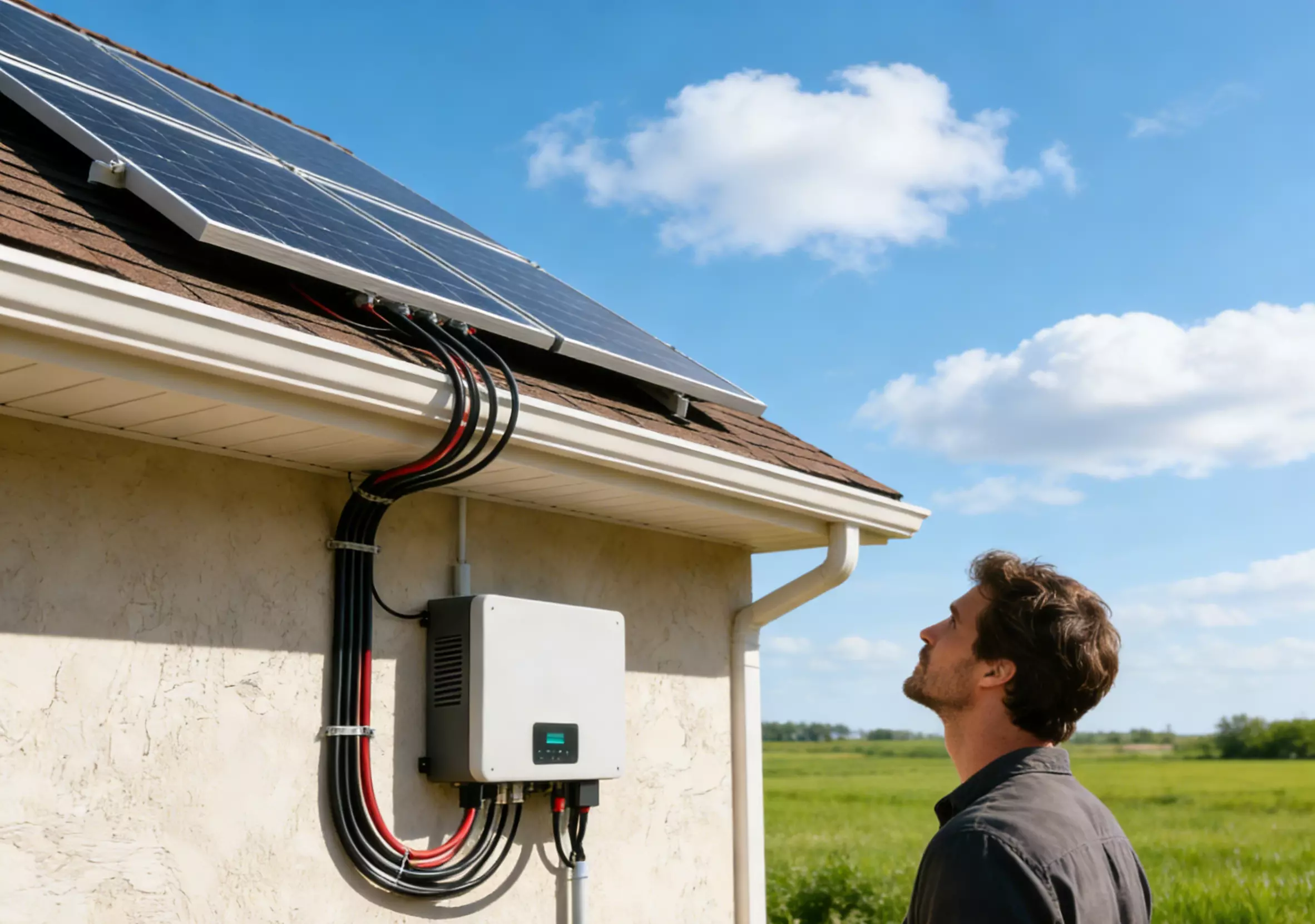
An ordinary off-grid photovoltaic system usually has:
- Solar panels: for capturing sunlight
- Energy storage batteries: lithium batteries are typically used for storing electricity
- Inverters and controllers: regulate voltage and transform DC power into AC power
- Electrical appliances: such as lighting, refrigeration, communications equipment, etc.
This system is extremely useful in areas where dependable grid power supply does not exist, such as mountain towns, desert camps, islands, farms, and even border crossing areas.
How many kilowatts do you really need?
Everyone is of the opinion that the bigger the system, the better, and so they go for the installation of 5 kilowatt, 10 kilowatt or even larger systems. But if it is over-dimensioned, it will waste energy unnecessarily; under-dimensioned, and it will lead to lacking power. In reality, the most significant aspect of selecting a proper system size is your actual power requirements and local light levels.
Typical Power Guidelines:
| Application Type | Recommended System Size |
|---|---|
| Small home appliances | 1.5kW – 3kW |
| Farms, orchards | 3kW – 5kW |
| Mobile clinics or guesthouses | 5kW – 10kW |
| Base stations, cold storage | 10kW – 50kW |
However, these are only estimates. To select the ideal system, consider:
- Your average daily power consumption (kWh/day)
- Available sunlight hours (which vary by region and season)
- Physical space for installing panels
- Possibility of future load expansion
- Battery storage capacity and type
Why Off-Grid Systems Are Gaining Popularity
Independence from Unreliable Grids
In countries across Africa, South Asia, and remote regions of China, off-grid systems offer a lifeline—providing consistent electricity where the traditional grid is unavailable or prone to frequent outages.
Green and Sustainable
These systems run entirely on solar power, with zero emissions, contributing to global carbon neutrality goals and helping households and businesses reduce their carbon footprints.
Simple to Operate and Maintain
Off-grid systems are modular and scalable. With fewer moving parts and no reliance on extensive infrastructure, maintenance is low-cost and relatively easy, even in isolated locations.
Hybrid Integration with Other Energy Sources
Off-grid photovoltaic systems can work seamlessly with wind turbines, diesel generators, or microgrids, offering greater flexibility and energy resilience.
Future Trends: Smarter, Cheaper, More Adaptable
Thanks to rapid advancements in battery technology and solar module efficiency, off-grid systems are becoming more powerful, compact, and affordable. Modern energy storage systems—especially lithium iron phosphate (LiFePO4) batteries—offer better cycle life, higher safety, and faster charging.
Furthermore, intelligent energy management platforms (EMS) now allow remote monitoring, predictive energy scheduling, and system diagnostics—all accessible via smartphones or cloud dashboards.
Off-grid systems are no longer limited to remote areas; they are now viable for:
- Urban households wanting backup power
- Outdoor event organizers
- Disaster recovery sites
- Public service facilities
Avoid One-Size-Fits-All Thinking: Choose Wisely
But all these are only rough estimates. If you want truly to choose the right system, you need to take into account the following parameters:
- How much kWh electricity is your home using per day
- How many hours the local sun is shining per day (it depends very much on the season)
- How many panels can be mounted on the roof or yard
- Will you be including large items such as air conditioners and refrigerators in the future
- What battery size you will be using and what battery cells you use
Why are an increasing number of folks falling in love with off-grid solar power?
- No longer have to look at the face of the power grid
- True zero emissions
- Easy installation and maintenance
- Modular mix-and-match for ultimate flexibility
What will happen next?
The battery is getting stronger every year, the solar panels are getting lighter and more beautiful, and the mainstream lithium iron phosphate battery has many cycles, will not catch fire, and will charge quickly; under the guidance of a mobile phone app, you can see the electricity output, electricity consumption, and battery status while being leisurely in the office.
Its use is no longer limited to distant mountainous areas:
- City households: switch automatically during a power outage, and the fridge will not lose electricity
- Camping, market: you can be independent by towing a vehicle with a "mobile power station"
- Disaster relief camp: you have light and net as soon as you pitch your tent
- Public toilets, signal towers: you can be independent by pulling a line
In short: so long as there is sun, there is electricity.