In recent years, with the growing demand for family electricity, in particular with the incidence of high-power home equipment like air conditioners, electric vehicles, and water heaters, many households have begun to wonder: What is the ideal domestic battery device that is virtually necessary to make certain each day lifestyle and energy independence?
The 80kWh battery has turned out to be a warm topic. So, is it simply a gimmick, or is it the superior desire to meet family electricity needs?
Why would families consider a high-capacity home battery system?
This list contains some typical scenarios where the ordinary battery systems fail.
- Heat: Central air-conditioning runs the whole day, creating a high electricity bill, while ordinary batteries fail at keeping the air-conditioning system alive all night.
- Peak electricity demand: Multiple 240V loads get created in the evening rush hour, comprising cooking, laundry, water heating, and EV charging.
- Frequent outages: During storms, snowstorms, or grid instability, battery backup capacity is too low to provide for overnight power needs.
- Energy independence: Some families want true "whole-house backup," and not just to keep one refrigerator or a few light bulbs on.
All of these situations show that an 80kWh capacity home battery system, employing high power, is not just a luxury option for meeting the power requirements of today's homes.
What household needs can an 80kWh battery address?
Battery capacity not only determines how long energy can be stored but also whether it can simultaneously power multiple high-load appliances. By simulating actual household electricity usage, we can intuitively understand the value of 80kWh.
- For a large home in a mild climate: With moderate air conditioning use, normal cooking, and daily electricity consumption, an 80kWh battery can support approximately two days of typical use.
- For a high-energy-consuming home in a hot climate: With prolonged air conditioning operation and simultaneous nighttime electric vehicle charging and cooking, an 80kWh battery can keep the entire home stable under a full day of high-load operation.
- Emergency "Storm Mode": In the event of a continuous power outage, with intelligent load management, an 80kWh battery can provide basic living and comfort for one to two days.
This means that an 80kWh home battery system can not only meet the needs of a daily comfortable life, but also cope with extreme situations, truly achieving "energy worry-free".
The Economic Benefits of a High-Capacity Home Battery System
Many people worry about whether investing in large-capacity batteries is worthwhile. In fact, the economic value of an 80kWh battery lies primarily in three key areas:
Time-of-Use Electricity Price Savings
Using batteries during peak electricity price periods and recharging during off-peak periods can significantly reduce electricity bills. Large-capacity batteries are particularly effective in covering the long evening peak period.
Increasing Solar Self-Utilization
If there is excess photovoltaic power generation during the day, it can be stored in batteries and used at night. In areas where the grid purchase price is low, large batteries can help households "store more and sell less", increasing their photovoltaic revenue.
Averting Power Outage Losses
A power outage can result in food spoilage, temporary accommodation, and lost work time. A large-capacity battery can protect households from both financial and livelihood losses at critical moments.
Overall, when households experience long peak electricity demand periods, high risk of power outages, and overcapacity in photovoltaic capacity, an 80kWh battery offers a faster return on investment and more substantial returns.
Which households are truly suitable for an 80kWh battery?
Not every home needs an 80kWh battery, but if two or more of the following signs apply, a high-capacity battery is a good fit:
- You have two or more central air conditioners, or you have an air conditioner and a pool/well pump running simultaneously.
- You frequently charge your electric vehicle at night, during peak electricity prices.
- You experience frequent power outages in your area, often lasting overnight or for days.
- You want continuous power throughout your home during storms or extreme heat, rather than a limited power supply to certain circuits.
- You often have excess photovoltaic power generation during the day, while demand for electricity is higher at night.
If these conditions apply to your home, then an 80kWh battery is not overkill; it's actually the safest option.
Real-World Case Study
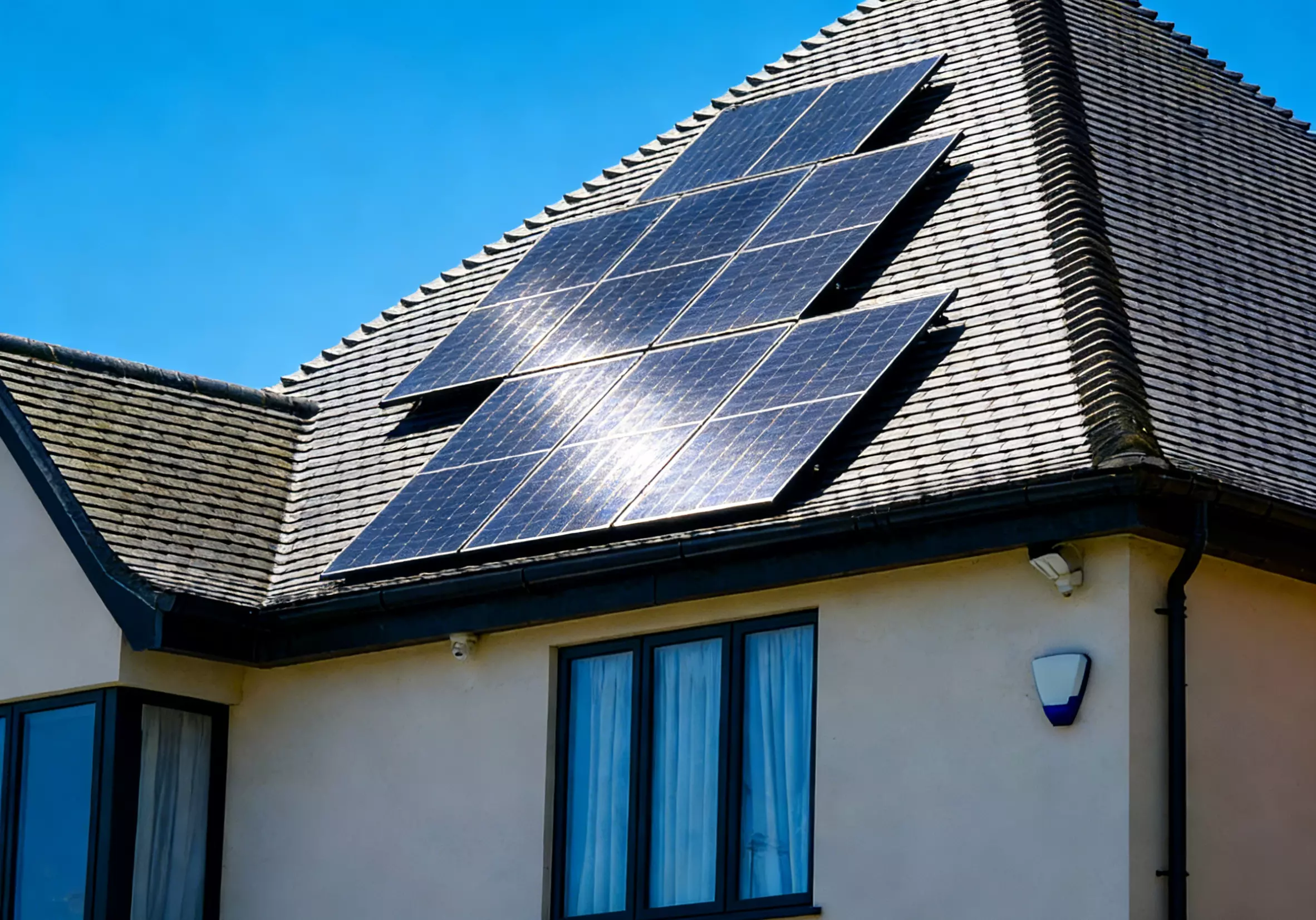
With a family in Texas, dependent on an air conditioning system, electric car, and furnace, they were faced with and appalled by exorbitant electricity bills on summer evenings at their peak. They then proceeded with the installation of an 80-kilowatt home battery system along with rooftop photovoltaics:
- Electricity Savings: They lost 70 percent of their peak evening electricity bill and nearly 40 percent of their annual electricity bills.
- Power Outage Emergency: Last year, during a snowstorm, the grid went offline for two days, but the battery kept the house up and running.
- Property-Value Increase: From a real estate appraisal perspective, this home with a high-capacity battery has a market value some 8% higher than similar homes in the neighborhood.
Such cases are increasingly common in places that have very high electricity demand, with high outage risks , such as California, Florida, and Texas.
80kWh Batteries: A Future-Proof Option
For smaller homes or low usage of electricity homes, an 80kWh battery will actually look more than sufficient. However, for larger homes with high usage of electricity and a high degree of risk when it comes to power outages, an 80kWh battery is perfectly suited to the three needs of energy independence, profitability, and comfort.
Because the cost of solar power generation and energy storage devices continues to decline, an 80kWh battery will be commonplace instead of a luxury for more and more households.
Whether or not you're considering the future as well as your current energy independence, contact us to learn more about a high-capacity home battery system that suits your needs. Whether it's 20kWh, 40kWh, or 80kWh, we can tailor a storage package to best suit your needs.