Introduction
The Philippines is rapidly expanding its renewable energy sector, driven by rising electricity costs, sustainability targets, and government incentives. For industrial-scale photovoltaic (PV) projects, the choice of inverter plays a critical role in efficiency, cost control, and long-term reliability. This guide explores the industrial inverter selection process and cost in the Philippines (2025), covering subsidy policies, technical specifications, installation pricing, and real-world case insights.
What Renewable Energy Incentives Are Available for Industrial PV Projects in the Philippines?
The Philippine government has introduced several programs under the Renewable Energy Act of 2008 (RA 9513) to encourage industrial solar deployment:
- Income Tax Holiday (ITH): Up to seven years exemption for qualified renewable projects.
- Duty-Free Importation: Tax-free import of equipment and spare parts for renewable facilities.
- VAT Zero-Rating: Renewable energy transactions are exempt from 12% VAT.
- Cash Generation-Based Incentives: Feed-in Tariff (FIT) payments, with the Energy Regulatory Commission (ERC) approving an updated FIT-All rate of PhP 0.1189/kWh effective March 2025.
- Net Metering & Green Energy Option Program (GEOP): Allows factories and large commercial consumers to offset consumption or directly contract with renewable suppliers.
These incentives can reduce the payback period of an industrial PV project by 20–30% depending on system size and financing structure.
2025 Cost Overview: Equipment & Installation
Industrial inverter system costs in the Philippines vary depending on project size, configuration, and location.
- Base Cost (Inverter + PV system):
- Small industrial projects (50–100 kW): ₱35,000–₱50,000 per kW installed.
- Large-scale facilities (>500 kW): ₱30,000–₱40,000 per kW installed.
- Battery Storage Integration: Adds ₱15,000–₱25,000 per kWh for lithium-based systems.
- Installation & EPC Costs: Typically 15–25% of total system cost, including labor, permits, and engineering.
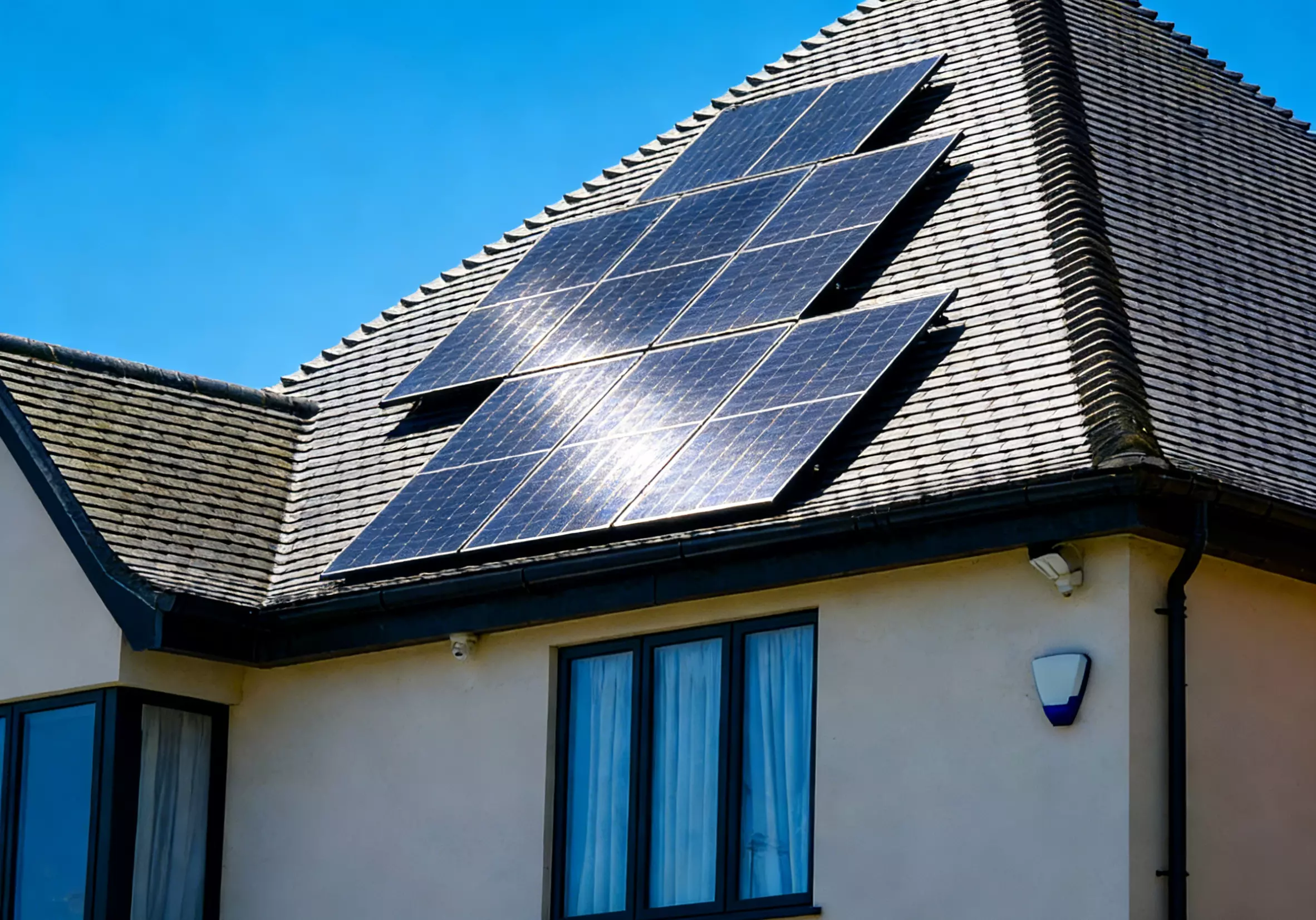
For example, a 200 kW rooftop industrial solar system with string inverters may cost around ₱7.2 million (≈ USD 128,000) before subsidies, while BOI and VAT incentives can lower effective costs by 12–15%.
How to Select the Right Industrial Inverter
Choosing the right inverter ensures stable performance, compliance with local regulations, and optimized ROI.
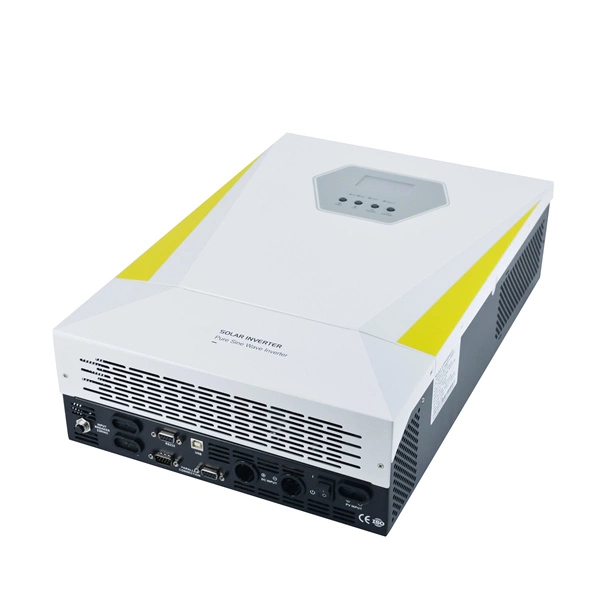
Key Technical Considerations:
- System Size & Power Matching
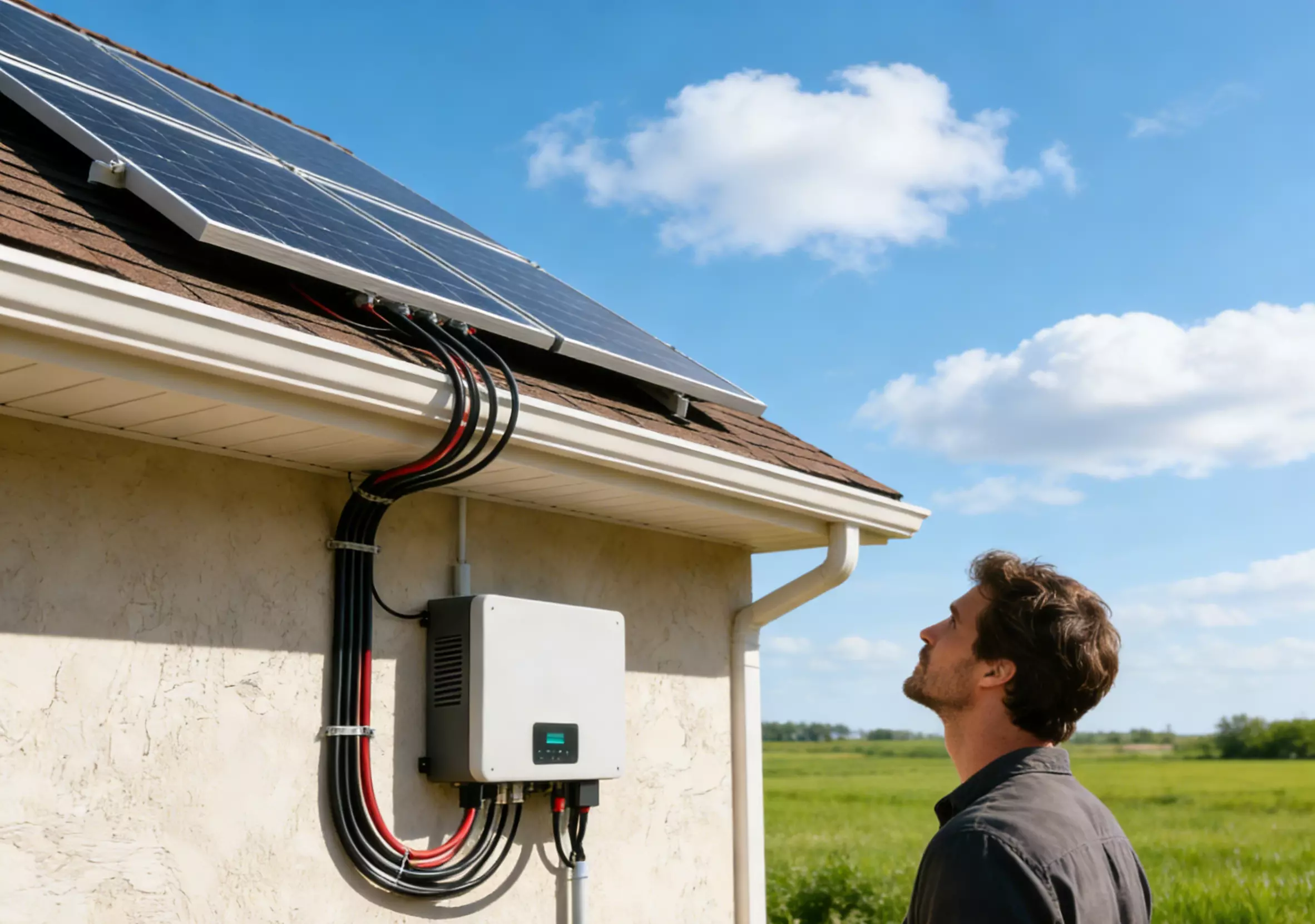
String inverters are ideal for projects under 500 kW due to modularity and easier O&M.
Central inverters suit multi-MW facilities where cost per watt is critical. - Grid Compliance & Tropical Adaptability
Must include anti-islanding protection, high IP rating (IP65+), and corrosion resistance for humid and coastal Philippine environments.
- Smart Monitoring & Safety Features
Remote monitoring, real-time diagnostics, and firmware updates.
Protection features: DC surge, thermal management, and grid export limiting. - Efficiency & Warranty
Look for models with >98% efficiency and a 10-year warranty, extendable to 15–20 years.
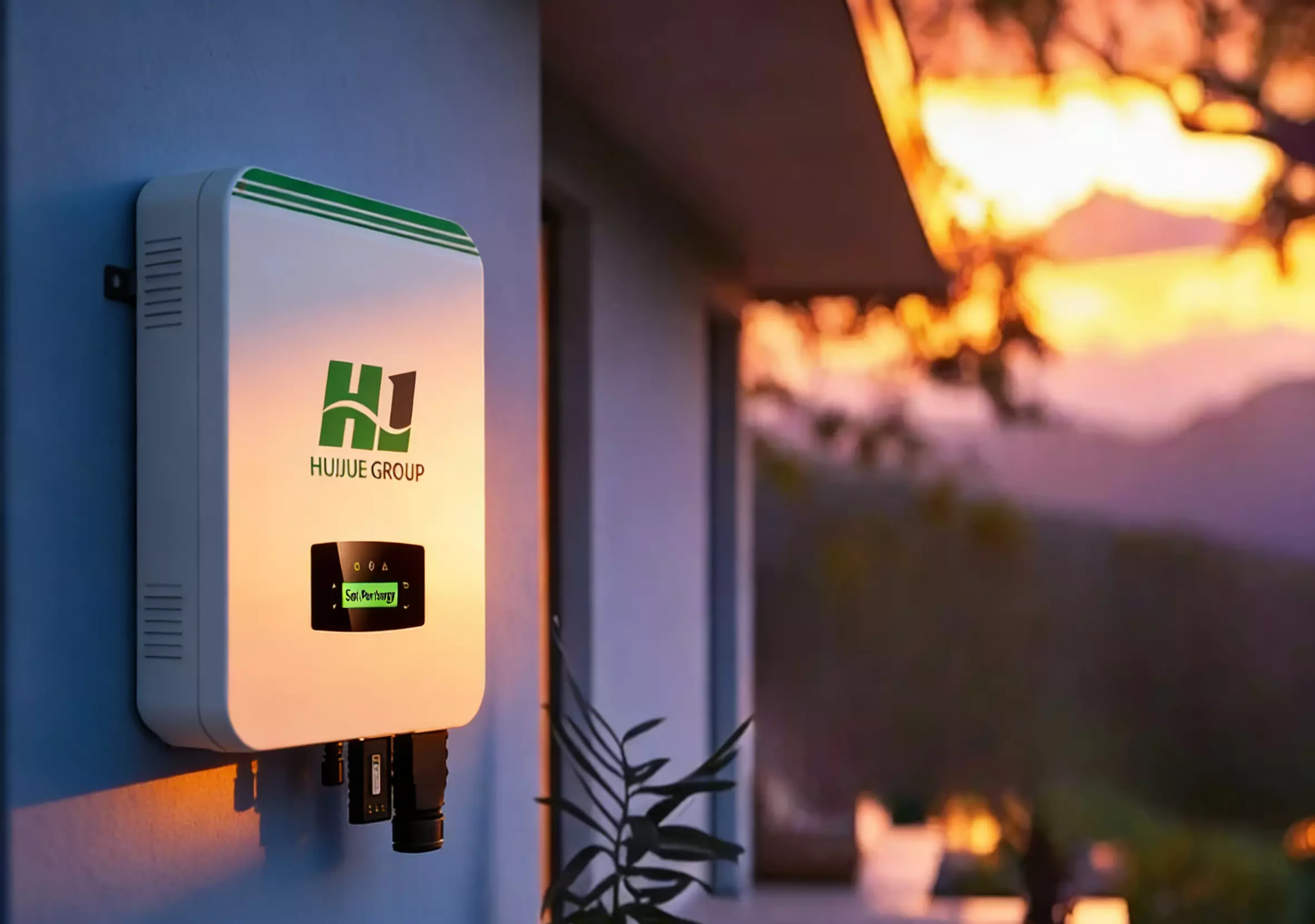
For reference, HuiJue offers a range of industrial solar inverters designed for both medium and large-scale PV systems in Southeast Asia.
Application Scenarios & Case Examples
Although HuiJue has not directly participated in these projects, similar deployments demonstrate cost and performance benchmarks:
Cavite Industrial Park (2024, Manufacturing Plant)
- System: 1 MW rooftop PV with central inverters.
- Cost: ~₱38 million installed.
- Incentives: BOI tax holiday + VAT exemption reduced effective cost by ~₱5.5 million.
- Payback Period: 5.8 years with net metering benefits.
Davao Agro-Processing Facility (2023, Cold Storage)
- System: 250 kW PV with string inverters + 400 kWh battery.
- Cost: ~₱12 million installed.
- Savings: 25% reduction in monthly electricity bills, ~₱1.5 million per year.
- ROI: 6.5 years considering storage investment.
After-Sales Support: Warranty, Service & Local Availability
For industrial inverters, after-sales service is as important as initial cost. Companies should look for:
- 24-hour technical support response (remote + on-site).
- Warranty coverage: 5–10 years standard, with extended service options.
- Local spare parts availability to reduce downtime.
- Preventive maintenance packages with annual inspections.
HuiJue supports industrial customers in Southeast Asia with tailored service packages and long-term performance guarantees, ensuring system uptime and faster ROI.
Summary & Call to Action
The industrial inverter selection and cost landscape in the Philippines (2025) is shaped by:
- Government subsidies and tax incentives under RA 9513.
- Competitive equipment + installation pricing ranging from ₱30,000–₱50,000 per kW.
- ROI periods between 5–7 years depending on subsidy usage and storage integration.
- Technical considerations such as power rating, tropical resilience, smart monitoring, and warranty.
To explore customized industrial inverter solutions designed for Philippine industries, visit our HuiJue product page.
Frequently Asked Questions (FAQ)
- What incentives are available for industrial solar inverters in the Philippines?
Under RA 9513, projects can access tax holidays, VAT exemptions, and duty-free importation. Net metering and FIT programs provide additional benefits. - How much does an industrial solar inverter system cost in the Philippines (2025)?
On average, ₱30,000–₱50,000 per kW installed, with storage options adding ₱15,000–₱25,000 per kWh. - Which inverter type is better for industrial projects—string or central?
String inverters are suited for <500 kW projects due to modularity, while central inverters are more cost-effective for >1 MW systems. - What is the payback period for industrial solar systems in the Philippines?
Typically 5–7 years, depending on system size, subsidy eligibility, and storage integration. - Why is after-sales support critical in inverter selection?
Because downtime impacts ROI, reliable warranties, fast technical response, and local spare parts availability are essential.