The energy market is changing very fast these days. Everyone needs efficient, safe and reliable energy storage systems, and the demand suddenly increased. Among them, the liquid-cooled energy storage system is one very powerful technology. It has superior heat dissipation, stable performance, and long lifespan. It has soon become the first choice for large-scale and high-density energy storage.
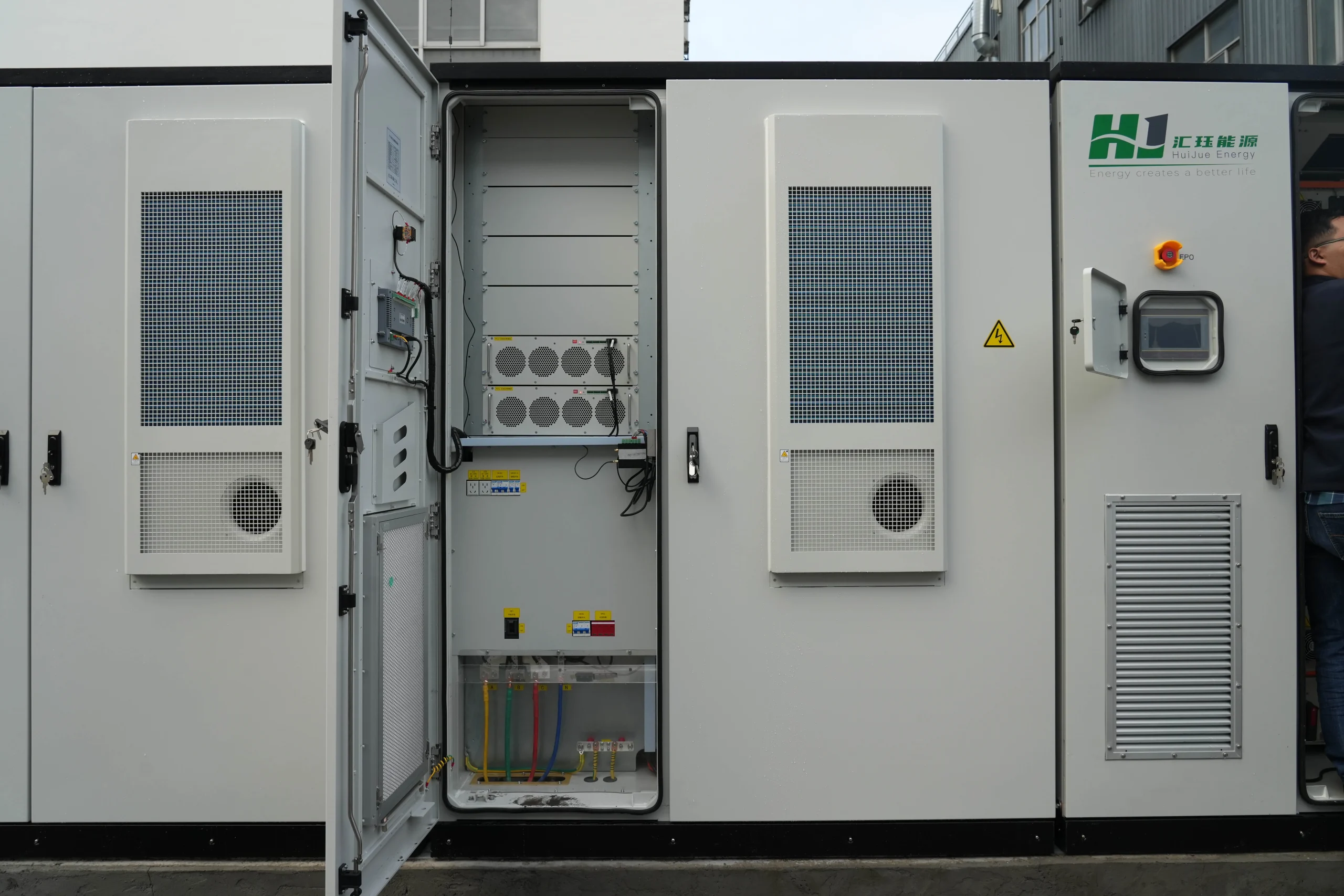
What is a liquid-cooled energy storage system?
Liquid-cooled energy storage system utilizes circulating coolant to control the temperature of batteries and main components. Compared to traditional air-cooled methods, liquid cooling can make the temperature more stable, thereby eliminating battery overheating to a great extent, and allow the battery to work for an extended lifespan.
Core advantages
Sufficient heat dissipation: allows the battery to operate in the most suitable range of temperature.
Uniform cooling: smaller temperature difference between batteries.
Compact shape: more energy is stored in a small area.
Why Liquid Cooling Is Replacing Air Cooling
1. Outstanding performance in poor conditions
Traditional air cooling technology can very easily "go on strike" in extremely cold or extremely hot places, or where the air is not in circulation. But liquid cooling technology is not like that. They are able to run stably and efficiently within the temperature range of -30℃ to 60℃.
2. Increased safety
As liquid cooling systems are better equipped to handle temperature, the risk of battery fire and overheating is greatly reduced. Liquid cooling systems are therefore particularly well suited for applications where a lot of electrical energy needs to be stored.
3. Enhanced efficiency
Thermal conductivity of liquid cooling systems is 300% higher than air cooling systems in third-party testing. In fast charging (4C rate) too, temperature variations are kept within 2℃.
Applications Across Various Sectors
Industrial Energy Storage
Data center and factory liquid cooling systems prevent equipment overheating and always online, thus reducing operational risk and maintenance downtime.
Renewable Energy Integration
Solar and wind are both intermittent energy sources. Liquid cooling energy storage delivers a consistent and reliable energy supply by keeping batteries in a healthy and efficient condition.
Data Centers and Critical Infrastructure
In applications where downtime is not acceptable, liquid cooling systems can assist in ensuring backup power is always available to prevent data loss or damage to equipment due to excessive heat.
Market Trends and Growing Demand
Rapid Adoption and Policy Support
Liquid-cooled energy storage systems are becoming increasingly popular, driven by global climate goals and the energy transition. The National Development and Reform Commission of China aims for 30GW of new energy storage by 2025, and liquid cooling is the preferred technology.
Cost-effectiveness and Scalability
New liquid-cooled cabinets can reduce power stations by 35% in footprint, and also facilitate modular operation and maintenance, reducing downtime. This reduces the cost of electricity and improves return on investment.
Strategic alignment with dual carbon goals
Energy storage is particularly important for China to achieve its carbon peak and carbon neutrality goals. Liquid cooling systems are popular in government and enterprise projects because of their flexibility.
Technical Highlights of Huijue’s Liquid-Cooled Solution
Huijue's liquid-cooled energy storage system uses very strong technology:
Advanced water-cooled plate and tube: makes the coolant directly contact the battery, and the heat dissipation is particularly good.
Intelligent thermal management algorithm: automatically adjusts the flow of the coolant to keep the temperature in the optimal condition at all times.
Integrated safety system: fire protection and real-time monitoring capabilities, overall safety.