The international strength storage market has entered a fast-increase phase, with 2025 shaping up to be a turning point. For each residential and industrial user, the perception of the Average Cost of Energy Storage Systems is integral for planning investments, enhancing electricity resilience, and decreasing electrical energy bills.
Industry facts suggest that battery storage machine fees fall progressively year after year, pushed by advances in lithium battery chemistry, supply chain expansion, and coverage guides such as the U.S. Inflation Reduction Act. But what will the proper numbers appear like in 2025?
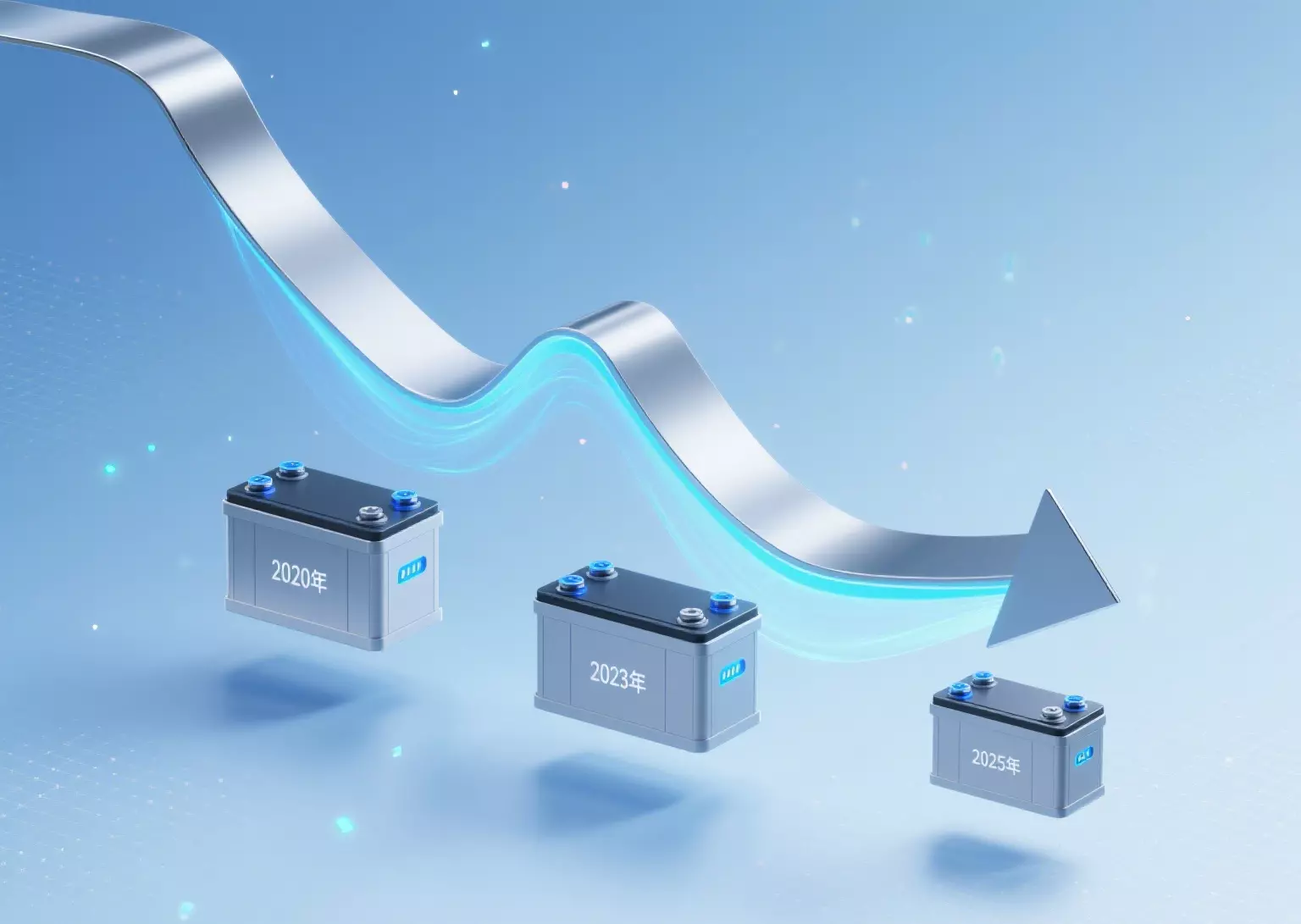
Average Cost Of Energy Storage Systems in 2025
According to market research, the common hook up value of electricity storage structures in 2025 levels from $200–$400 per kWh. This represents a dramatic drop in contrast to $1,000/kWh in 2022.
- Residential Systems (5–15 kWh): $6,000–$23,000 installed, relying on manufacturer and inverter type.
- 11.4 kWh lithium battery system: about $9,000, appropriate for usual households.
- Commercial & Industrial Systems (100–500 kWh): $30,000–$150,000, frequently deployed in modular racks.
- Containerized Systems (1–5 MWh): Housed in 20-ft or 40-ft containers, outfitted with HVAC, furnace suppression, and clever BMS.
Example: A 40-ft containerized LFP storage unit can supply 2–5 MWh of capacity, with an output of up to two MW, ideal for grid assist and renewable integration.
Why Battery Storage System Prices Fall in 2025
- Technology Evolution – Widespread adoption of Lithium Iron Phosphate (LFP) batteries affords greater safety, longer cycle life (6,000+ cycles), and decreased lifetime cost.
- Supply Chain Improvements – Lithium carbonate expenses have dropped since 2023, making large-scale storage initiatives extra affordable.
- Government Incentives – Federal and state-level subsidies decrease upfront fees by 30–50%.
- Economies of Scale – With annual world demand exceeding one hundred GWh, giant factories force down unit costs.
- System Integration – Hybrid inverters and modular racks decrease set up complexity and labor costs.
Technical Specifications in 2025 Systems
Modern electricity storage structures come with particular technical elements tailor-made to numerous applications:
Residential Units:
- Capacity: 5–20 kWh
- Voltage: 48V/51.2V
- Chemistry: LFP (preferred for safety)
- Lifespan: 10–15 years
- Example: Tesla Powerwall three (13.5 kWh, 10-year warranty)
Commercial Racks:
- Capacity: 100–500 kWh per rack
- Output Power: 50–250 kW
- Modular, stackable designs
Containerized Mobile Storage:
- 20-ft container: five hundred kWh–1 MWh
- 40-ft container: 2–5 MWh
- Equipped with liquid cooling, furnace suppression, and far-flung monitoring
These structures no longer solely supply excessive power density ,but additionally combine with photovoltaic PV, EV charging, and microgrid applications.
Application Scenarios
- Residential Backup Power – Keep essentials (lighting, Wi-Fi, refrigerators) running during grid outages.
- Commercial Demand Management – Avoid peak charges by storing energy off-peak and discharging during high-demand hours.
- Emergency Power Supply – Containerized mobile units deployed in hospitals, disaster-relief zones, or military bases.
- Renewable Integration – Store surplus solar/wind generation for stable grid dispatch.
- Construction & Mining Sites – Replace diesel generators with mobile containerized storage, reducing fuel costs and emissions.
Price Competitiveness & After-Sales Service
The falling Average Cost Of Energy Storage Systems makes funding extra beautiful than ever. In 2025:
- Battery storage gadget costshave fallen by more than 50% in contrast to 2022 levels.
- Leading manufacturers now provide 10–15 year overall performance warranties.
- Remote monitoring, predictive maintenance, and 24/7 technical help enhance reliability.
- Modular enlargement ability clients can begin small and scale as their needs grow.
This mixture of decreased upfront costs, robust after-sales support, and lengthy provider lifestyles ensures a quicker ROI (often under 7 years for residential, 4–6 years for C&I projects).
Final Thoughts
In 2025, the Average Cost Of Energy Storage Systems continues to decline, making electricity independence and grid flexibility greater than ever. With battery storage machine fees falling throughout residential, commercial, and utility-scale projects, both householders and agencies can benefit from decreased costs, increased reliability, and more desirable sustainability.
From 11.4 kWh domestic gadgets to five MWh containerized solutions, power storage is no longer simply a backup—it’s a core approach for future-proofing energy systems.