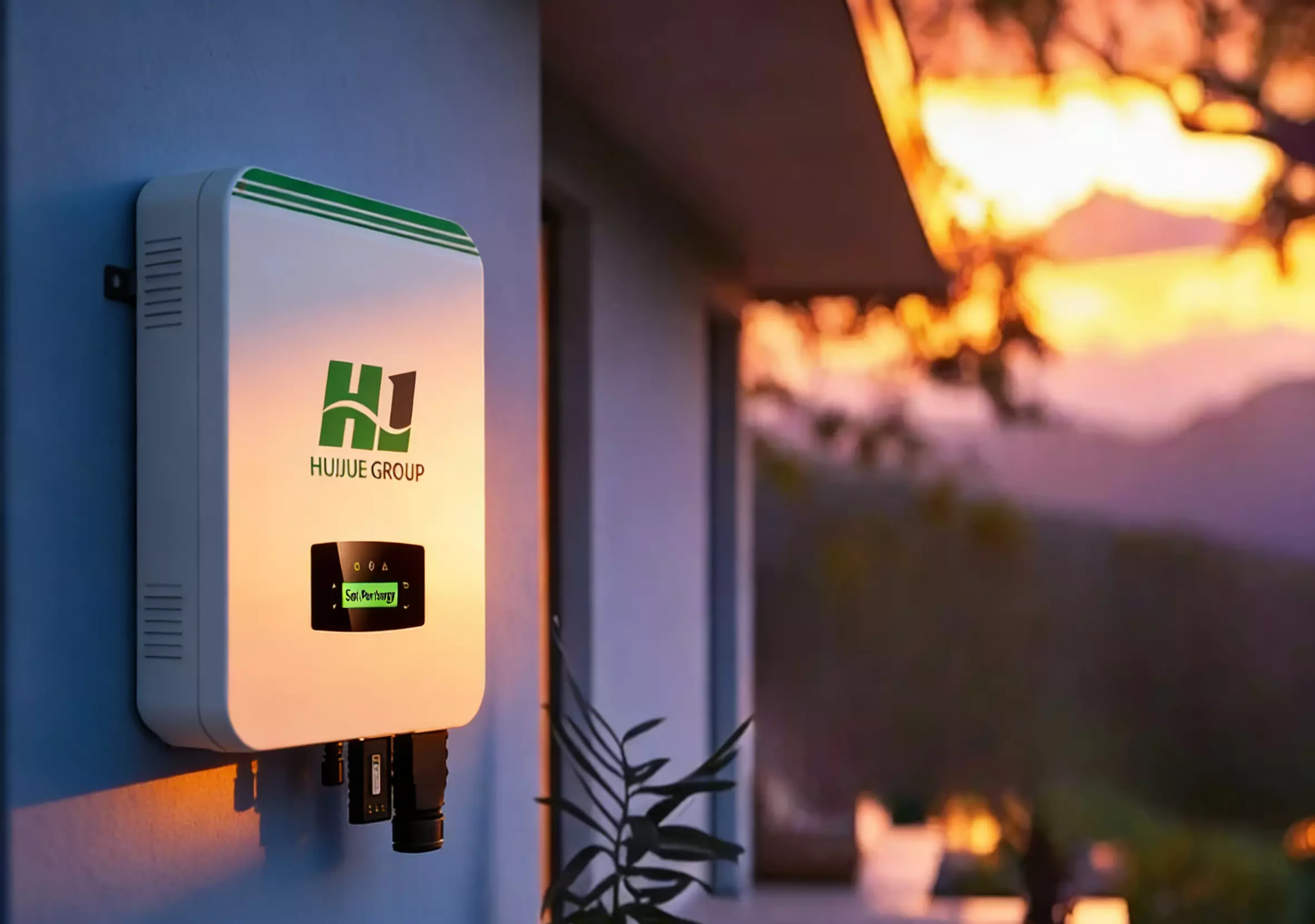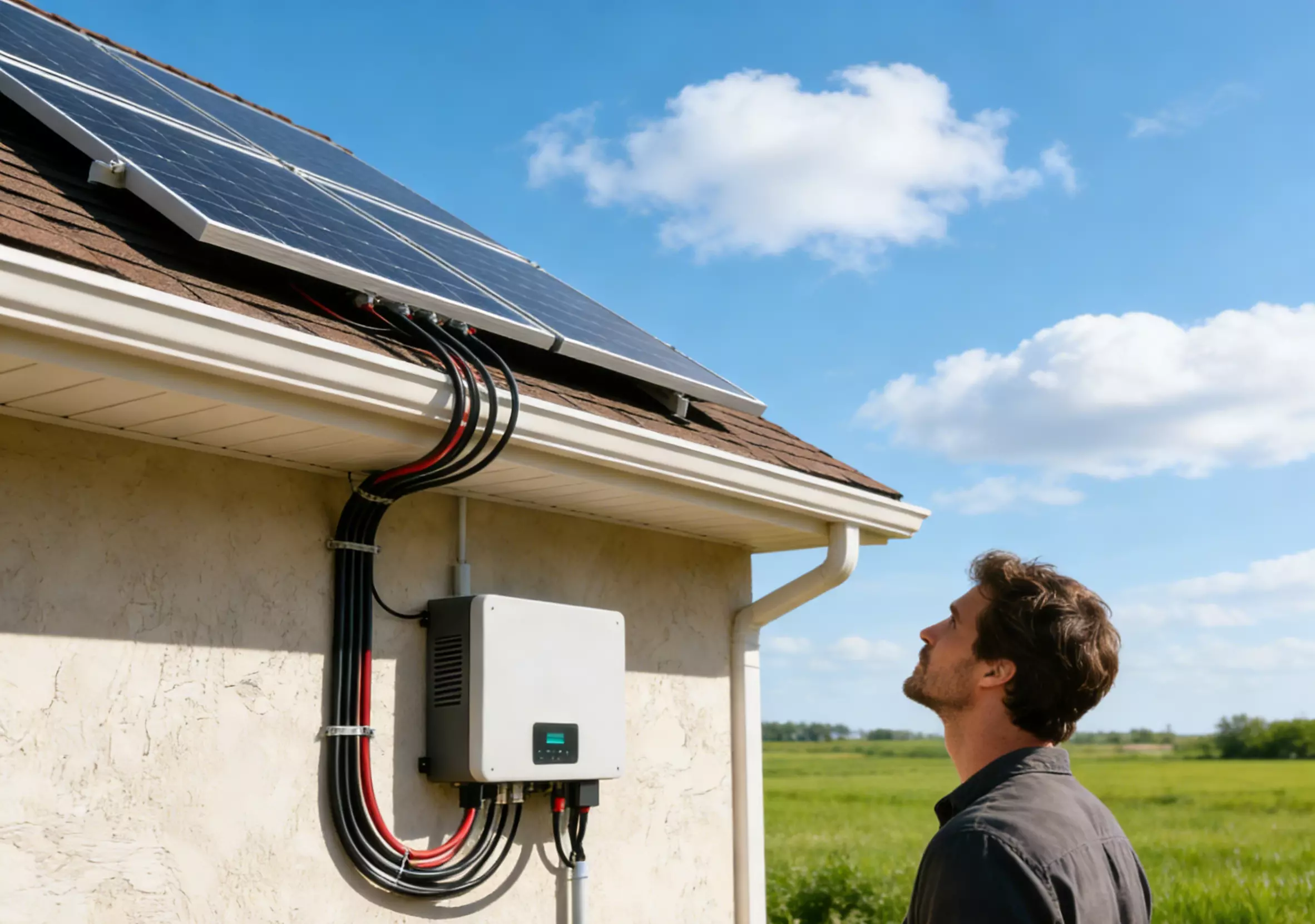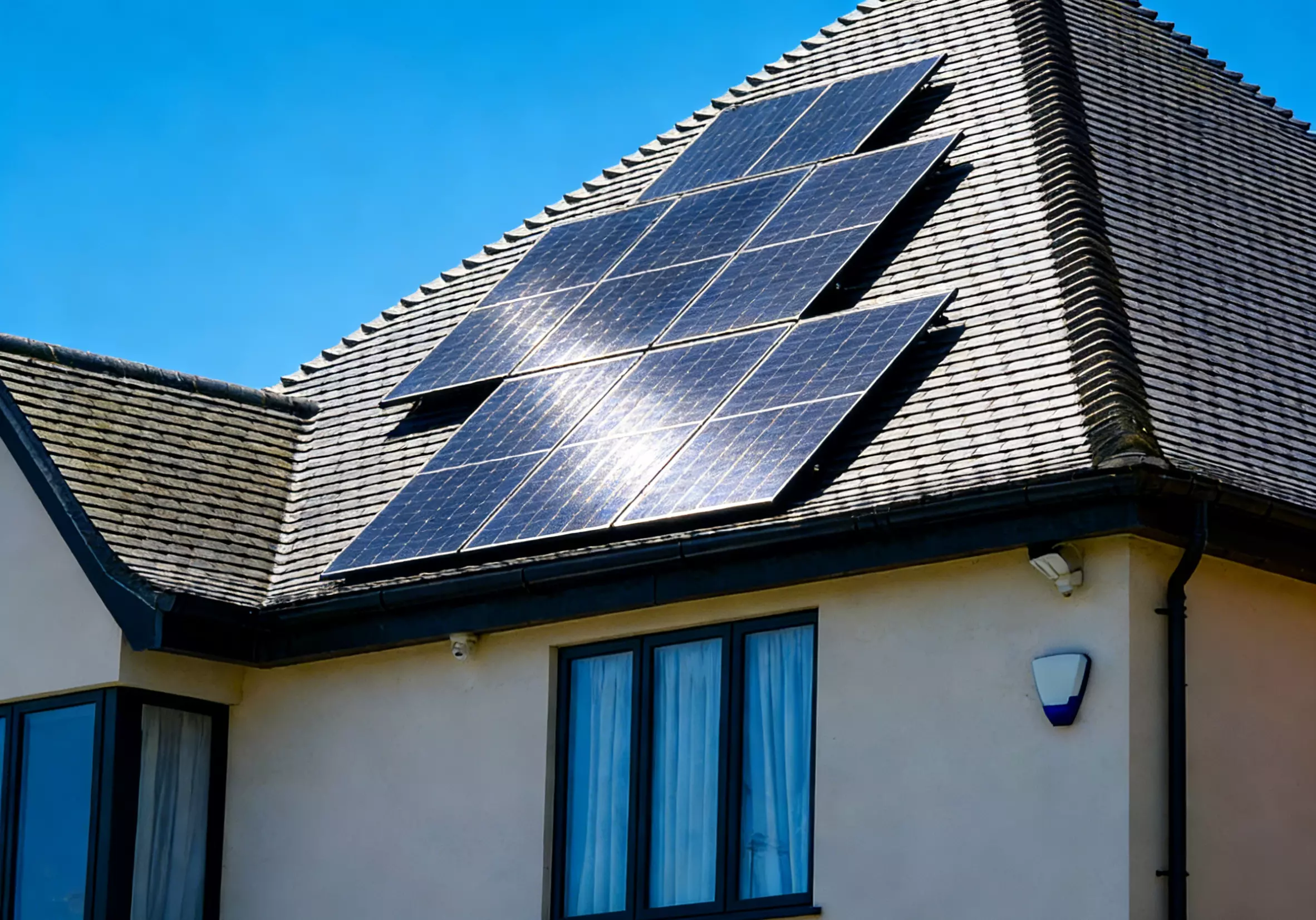
With more and more people and governments embracing renewable energy, solar power is becoming a top choice for homes and businesses alike. One of the most popular choices for home solar setups is the 2kVA solar inverter and battery package. If you're considering investing in solar energy, understanding price trends is crucial. In this article, we’ll forecast the 2026 prices for 2kVA solar inverters with batteries, based on current market data, technological advancements, and policy changes.
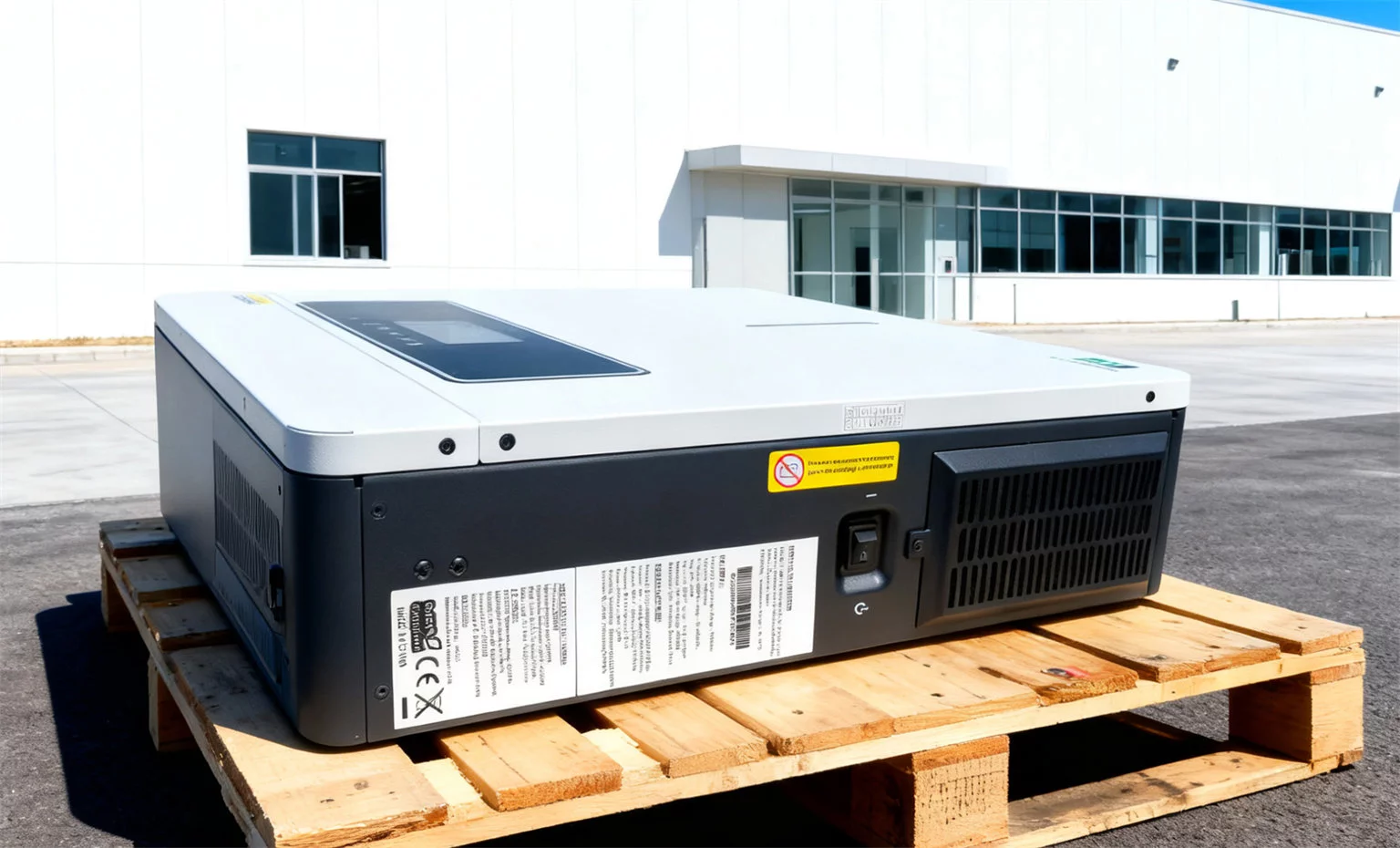
What is a 2kVA Solar Inverter and Battery Package?
A 2kVA solar inverter takes the energy produced by solar panels (DC electricity) and converts it into the kind of electricity (AC) that powers your home. When paired with a battery, the system allows users to store excess energy generated during the day, which can be used when sunlight is unavailable, such as at night or on cloudy days.
Key Benefits:
- Energy Independence: Store and use your own solar energy, reducing reliance on the grid.
- Cost Savings: Lower your electricity bills by reducing the amount of energy purchased from utility providers.
- Sustainability: Decrease your carbon footprint by switching to renewable solar energy.
Predicting the 2026 Price Trends for 2kVA Solar Inverters with Battery Systems
As of 2025, the average cost of a 2kVA solar inverter with a battery system typically ranges from $2,000 to $4,500, considering factors such as brand, technology, and installation costs. However, with further advancements in solar technology and government incentives, prices are expected to decrease by 2026, making the 2kVA solar inverter with battery system a more affordable option for homeowners.
1. Declining Battery Prices
One of the primary factors driving the price reduction in solar energy systems is the continued decrease in the cost of solar batteries, especially lithium-ion batteries. Over the past decade, the price of lithium-ion batteries has fallen by over 80%, and this trend is expected to continue through 2026.
Expected Price Reduction by 2026:
- Lithium-Ion Batteries: Prices could fall by an additional 20-30% by 2026, making 2kVA systems more affordable.
- For budget-conscious homeowners, a 2kVA solar inverter with a tubular battery may offer a lower price compared to lithium-ion systems, but it comes with slower efficiency improvements and a shorter lifespan.
As battery costs drop, the overall cost of the 2kVA solar inverter and battery package will likely decrease, offering better value for money to consumers.
According to Bloomberg New Energy Finance (BNEF), the price of lithium-ion batteries is expected to fall by another 20-30% by 2026, continuing the trend seen over the past decade (BNEF 2023 Report).
2. Technological Advancements in Solar Inverters
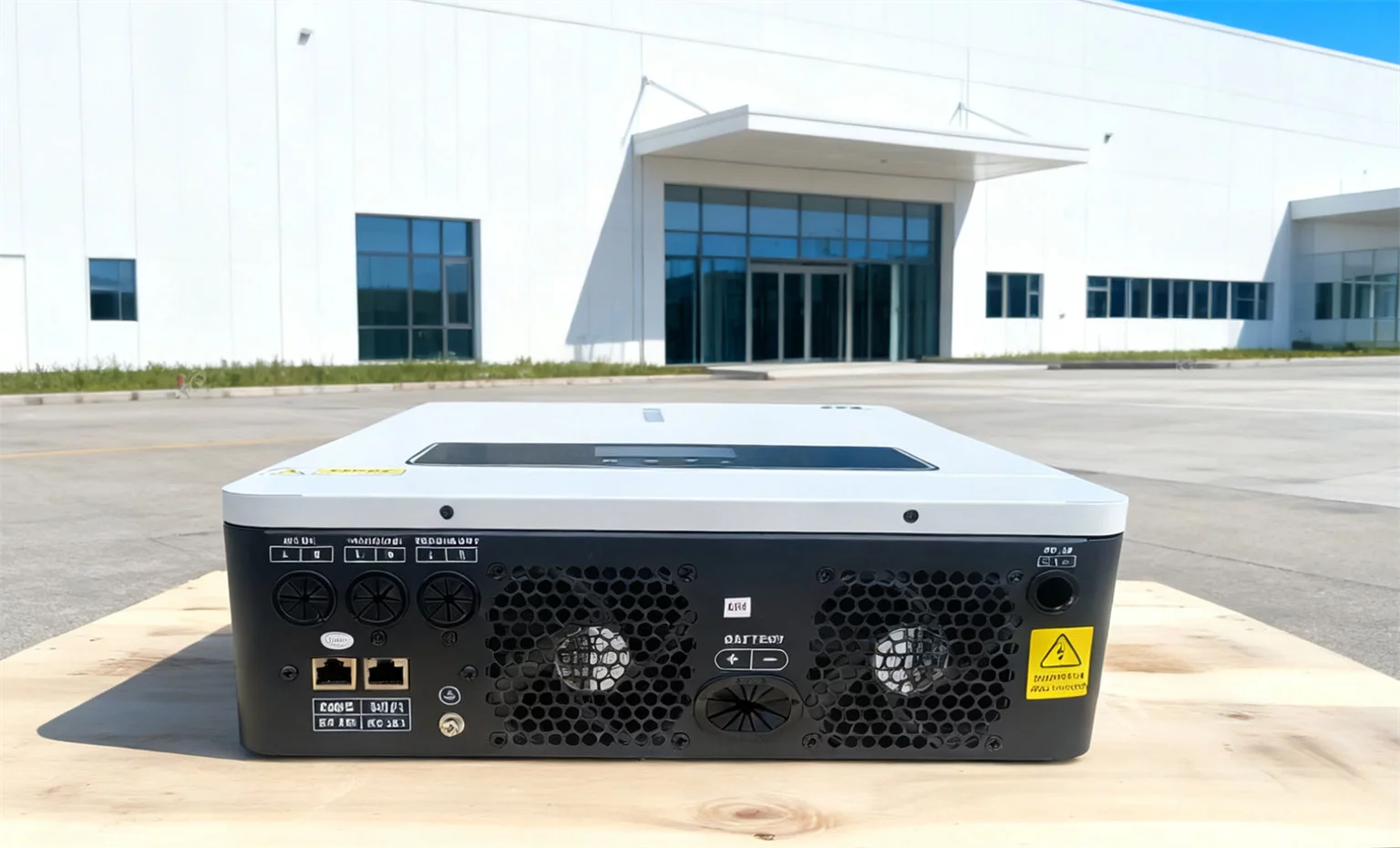
Solar inverters are becoming more efficient and versatile. The rise of hybrid inverters that can manage both solar energy production and energy storage has led to improved performance. Additionally, smart inverters equipped with AI and IoT (Internet of Things) technology are gaining popularity. These advancements allow homeowners to monitor and optimize their energy usage in real-time, increasing the overall efficiency of the solar power system.
Expected Technological Developments:
- Hybrid Inverters: The continued adoption of hybrid inverters will lead to higher efficiency and more reliable performance, which may contribute to slightly higher upfront costs but lower long-term energy costs.
- Smart Inverters: By 2026, smart inverters may become standard in mid-range 2kVA systems, offering improved energy management and remote monitoring capabilities.
As these technological advancements become more widespread, manufacturers will likely pass on some of the cost savings to consumers, resulting in more competitive pricing for 2kVA systems.
A report from the National Renewable Energy Laboratory (NREL) highlights that hybrid inverters and smart inverters are expected to improve system performance significantly by 2026 (NREL 2023 Report).
3. Increasing Economies of Scale
The solar industry has experienced a dramatic reduction in costs due to economies of scale. With growing demand and more large-scale solar projects being developed globally, the cost of manufacturing solar inverters and batteries continues to decrease.
Projected Impact:
- Bulk Production: Manufacturers will be able to produce more units at a lower cost, driving down the price of 2kVA solar inverter and battery systems.
- Global Supply Chains: Improved global logistics and a wider adoption of solar technology in emerging markets will contribute to overall cost reductions.
This will lead to increased affordability for consumers, especially as more countries transition to solar power.
According to IRENA (International Renewable Energy Agency), the increasing adoption of solar technology globally is expected to continue driving costs lower, thanks to economies of scale (IRENA Report).
4. Government Subsidies and Incentives
Government incentives and subsidies have been a key driver in making solar systems more affordable. Many countries, including the U.S., Germany, and Australia, offer generous tax credits and rebates to incentivize solar energy adoption.
Predicted Policy Changes:
- U.S. Federal Tax Credit (ITC): The Investment Tax Credit (ITC) in the U.S. is set to remain at 30% for solar systems in the coming years, potentially reducing the upfront cost of a 2kVA system by $600 to $1,350.
- Other Countries: Nations such as China and India are ramping up efforts to offer additional incentives for solar adoption, including low-interest loans and direct cash rebates for residential solar systems.
With governments worldwide emphasizing renewable energy, these subsidies will make solar systems even more accessible, lowering overall costs.
U.S. Department of Energy (DOE) reports that the federal tax credit for solar systems will remain at 30% until 2032, which is a significant incentive for consumers looking to install solar systems (DOE 2023 Report).
How Much Will a 2kVA Solar Inverter with Battery Cost in 2026?
Based on the trends mentioned above, we can make a price prediction for 2kVA solar inverters with battery systems by 2026.
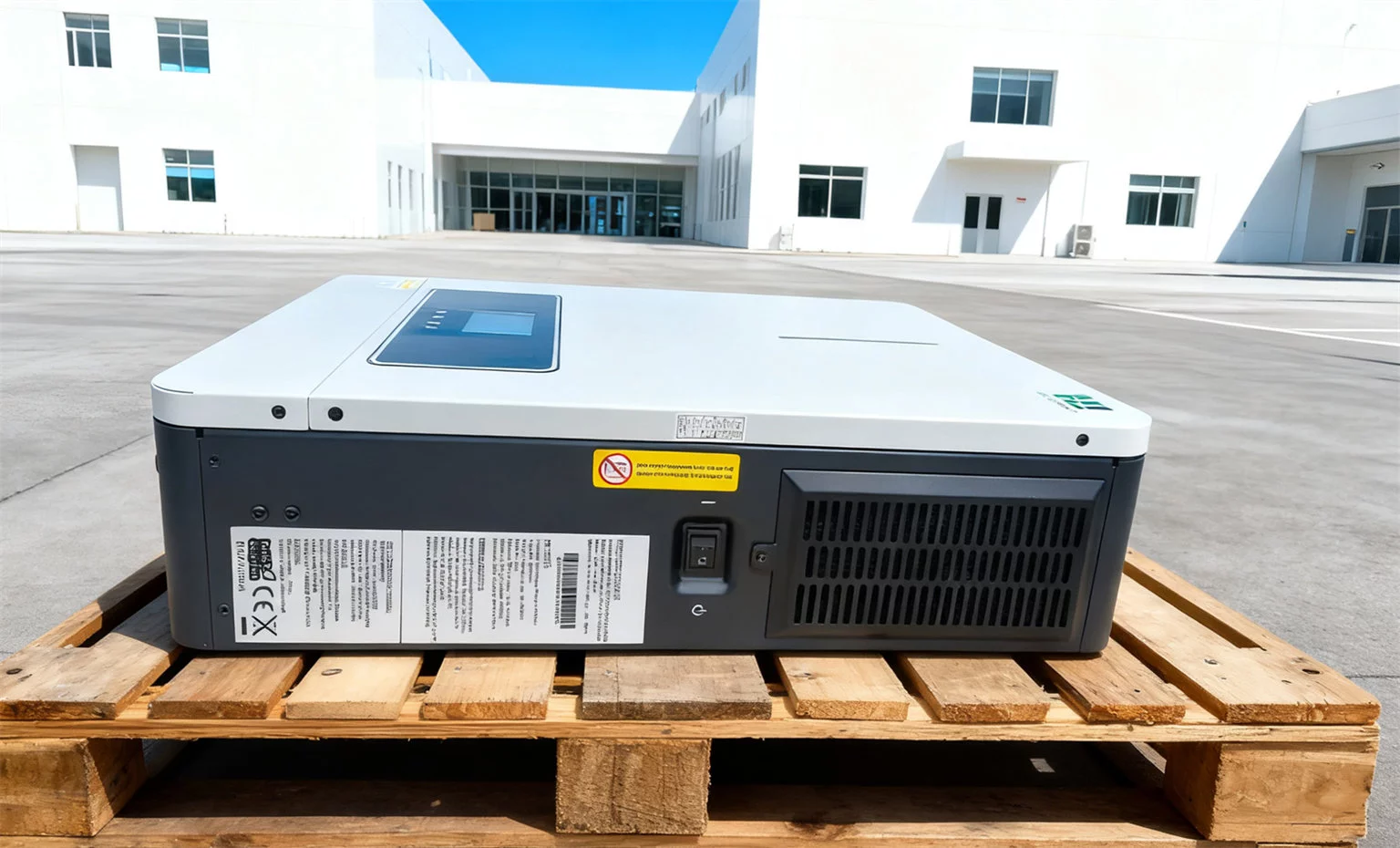
By 2026, the price of a 2kVA solar inverter and battery package for home use could drop to as low as $1,600 - $2,000 for entry-level systems. This price reduction makes solar energy systems an attractive option for homeowners looking to lower their electricity bills and reduce reliance on the grid.
The price of a 2000-watt solar inverter with battery is expected to range from $2,500 to $3,500 for mid-range systems, offering good value for homeowners looking to switch to solar energy.
For those seeking the best price for a 2kVA solar inverter with battery, premium systems featuring smart inverters and top-tier battery storage will range from $3,800 to $4,200 by 2026, offering the best value for long-term savings.
Prices are expected to be 20-30% lower than what we’re seeing today, making it easier for consumers to switch to solar energy and reduce their dependence on the grid.
A report by Wood Mackenzie forecasts a 20-30% decrease in solar system prices by 2026, largely due to technological improvements and scaling production (Wood Mackenzie 2023 Report).
2026 Solar System ROI: Saving on Energy Bills
By 2026, the lower upfront costs of 2kVA solar inverter and battery packages will make the return on investment (ROI) for solar energy even more attractive.
Annual Savings:
Homeowners could save anywhere between $400 and $800 annually on energy bills, depending on location, system efficiency, and energy consumption.
Payback Period:
With decreased system costs, the payback period for solar installations could be as short as 4-6 years, compared to the current average of 5-8 years.
These cost savings, combined with reduced installation and maintenance costs, will make solar energy a smart investment for homeowners looking to cut costs and enjoy long-term benefits.
Conclusion
As we look ahead to 2026, it’s clear that the 2kVA solar inverter with battery package will become more affordable and accessible to homeowners worldwide. Technological advancements, reduced battery costs, economies of scale, and government incentives will all contribute to making solar energy more financially viable.
If you’re considering installing a solar system, now is the time to start planning for 2026, when prices are expected to be significantly lower. The 2kVA solar inverter with battery system will offer excellent value, helping you lower your electricity bills while making a positive impact on the environment.