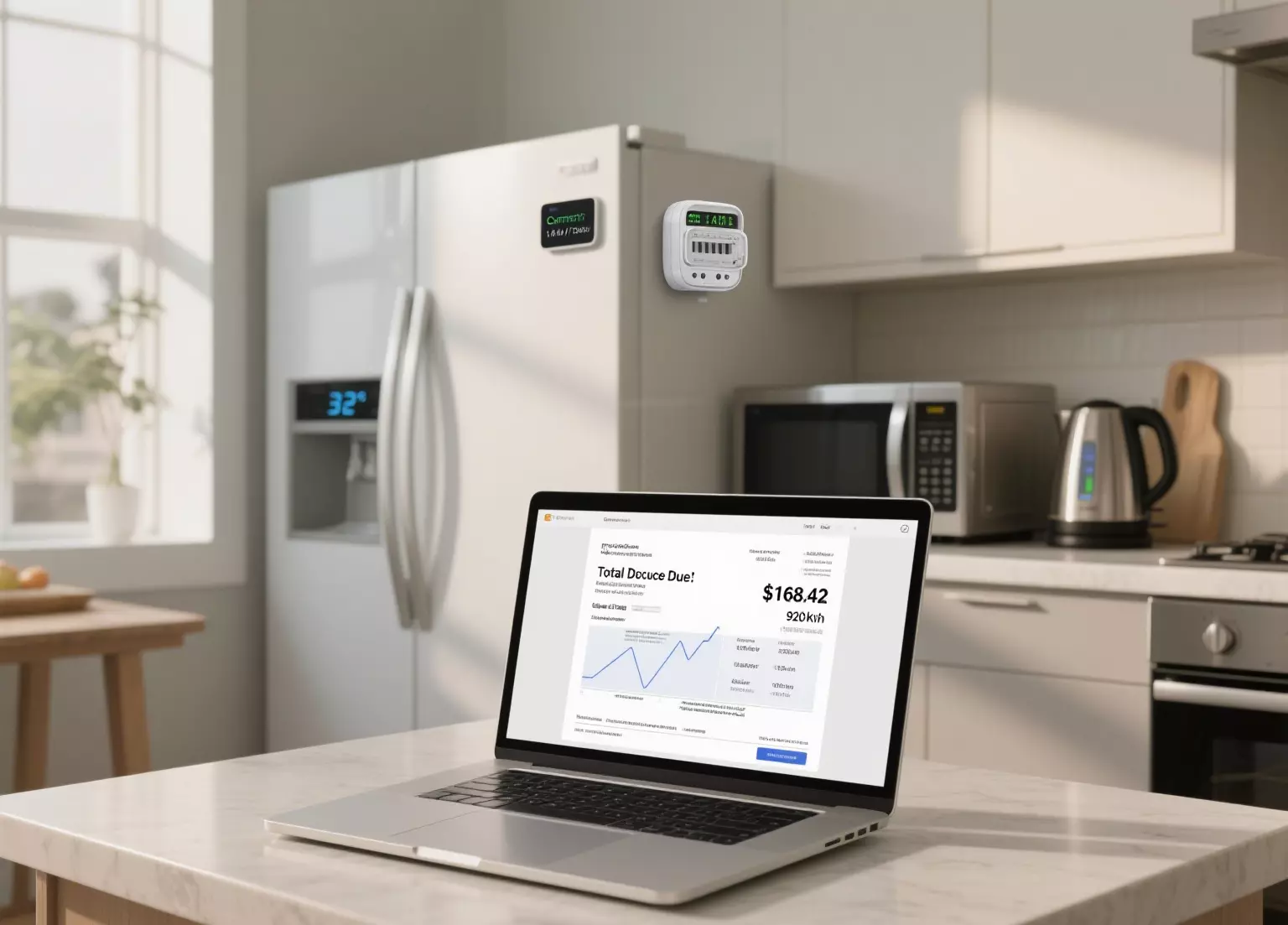
By 2025, residential electricity in the United States will hit $0.17 per kWh in 2025. As a result, the cost of electricity will rise, becoming a key component of household expenses. Here are the likely effects: an average monthly bill of $150, a yearly total of $1,800, and in the case of the states that are home to cities like New York and Los Angeles an anticipated cost of approximately $2,500-$3,000. With two figures in mind, we can understand that as electricity costs go up further, there is a deliberate effort to use lesser energy.
7 Key Factors That Affect Household Electricity Usage
- Home Size & Design
Bigger houses eat greater kWh due to improved heating, cooling, and lights needs. Poor insulation or out of date home windows can notably elevate electricity consumption. - Number of Occupants
Each extra man or woman provides greater strength demand: devices, laundry, cooking, and water heating. - Heating & Cooling Systems
HVAC bills for up to 54% of family power use. Efficiency, age, and protection situation all matter. - Appliances & Electronics
Refrigerators, ovens, washers, dryers, and water heaters make contributions almost 25% of power consumption. ENERGY STAR-rated home equipment can reduce utilization with the aid of up to 30%. - Climate Conditions
Extreme climates force up demand for air conditioning or heating, regularly doubling strength costs. - Home Energy Efficiency
Well-insulated houses with clever thermostats, sealed ducts, and present day home windows require a ways much less electricity. - Lifestyle & Technology Adoption
Remote work, EV charging, and high-tech life extend every day kWh usage.
Real Case Example: Electricity Consumption with and without Storage
Household A (no storage):
1,200 kWh/month average
Pays ~$200/month at $0.17/kWh
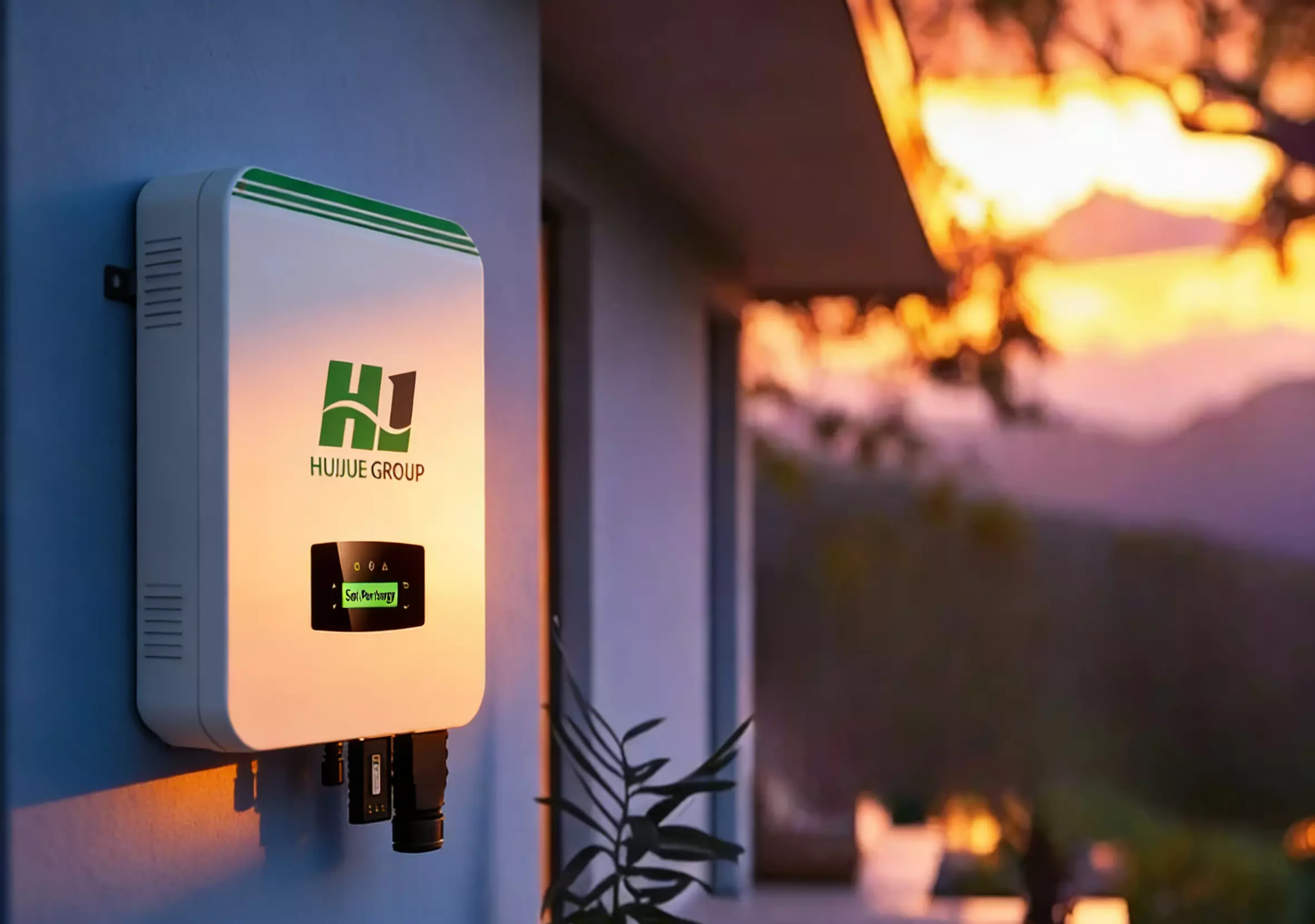
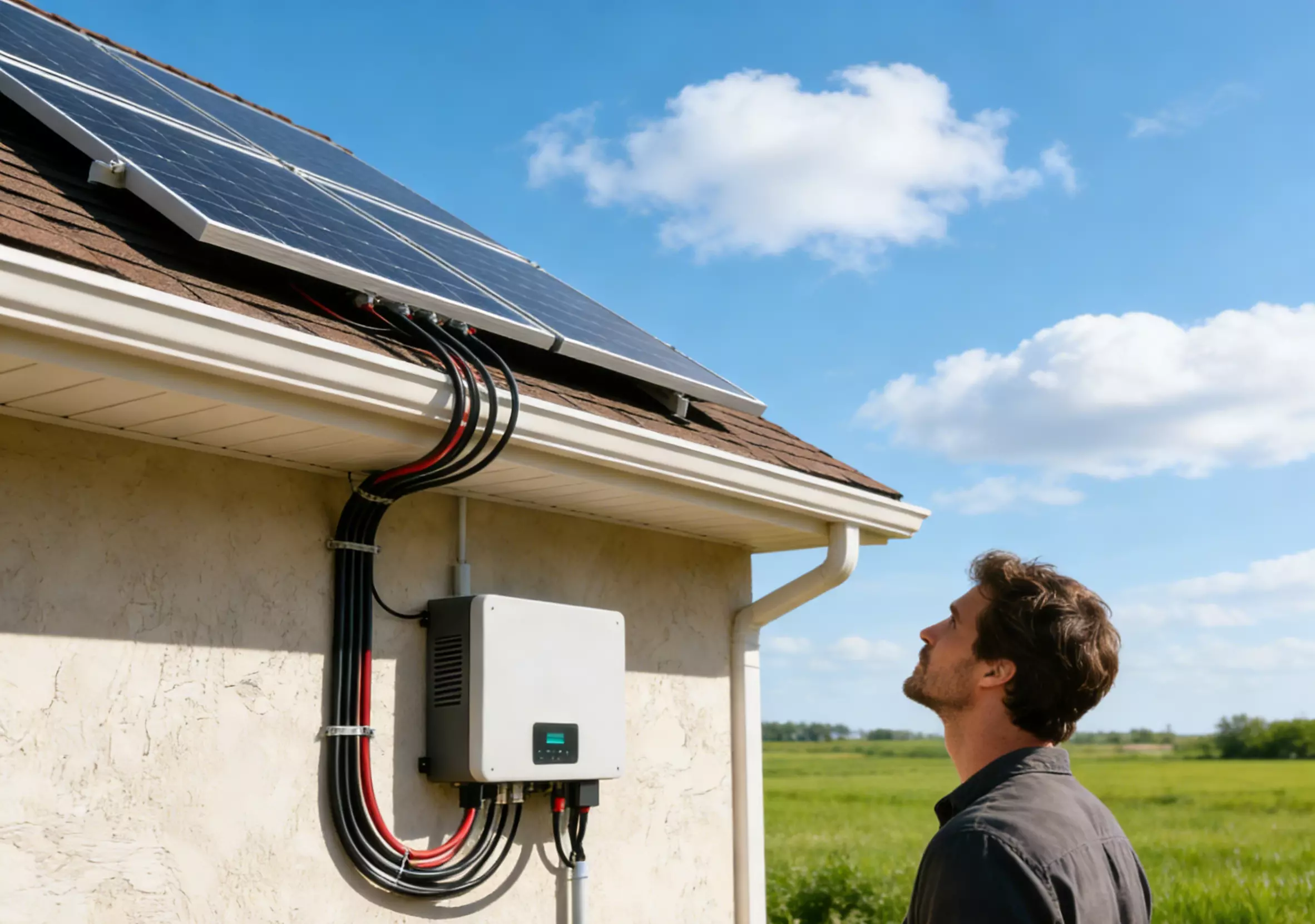
Household B (with solar + residential storage):
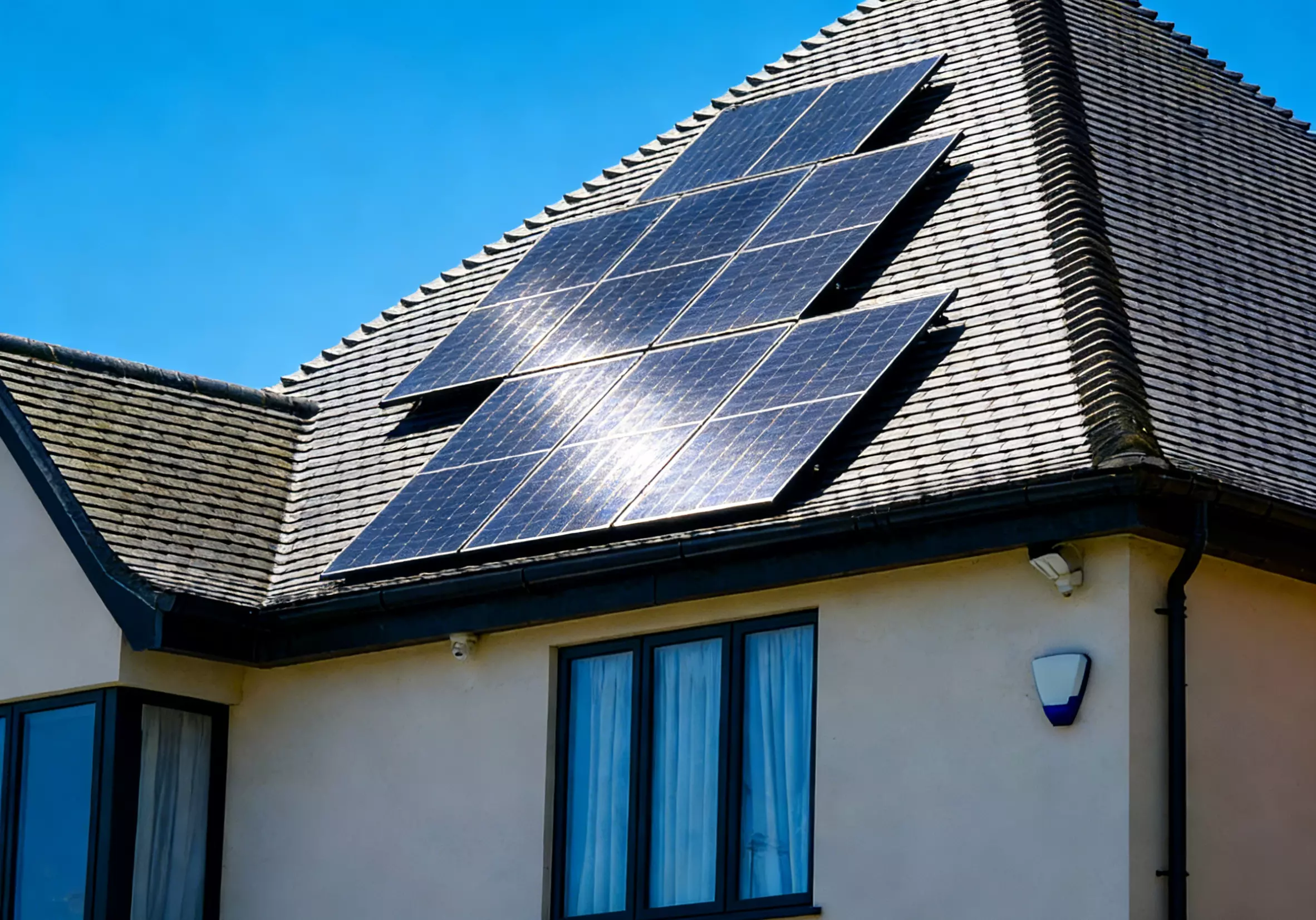
Consumes 1,200 kWh/month, but offsets 60% through solar panels
Stores surplus power in a residential energy storage system
Monthly bill drops to ~$80–100
Gains resilience during power outages
Learn more about how residential energy storage systems reduce household costs here:
Residential Energy Storage Systems
How Energy Storage Changes the Equation
Contemporary methods of energy furnish pave the way for households to:
- Save cash using solar energy for power supply at night.
- Stay shielded from blackouts and grid issues.
- Save on power bills during peak times, especially if the power supply gets terminated if one does not meet a certain energy consumption mark.
- Enhanced use of renewable energy helps one to achieve their sustainable endeavor goal.
Delivery to households would be dominated by lithium-ion and LiFePO₄ battery energy storage systems by 2025, owing to features such as a 6,000 cycles lifespan and enhanced safety features.
How to Reduce Your Energy Usage and Save on Utility Bills
Whether or now not you installation storage, there are actionable approaches to decrease family consumption:
- Upgrade to energy-efficient home equipment – Look for ENERGY STAR labels.
- Install a clever thermostat – Automates HVAC usage.
- Improve insulation & seal air leaks – Cuts heating/cooling demand.
- Switch to LED lights – Reduces lights consumption by way of up to 80%.
- Schedule a domestic power audit – Identify hidden inefficiencies.
- Consider photo voltaic + storage – Offset grid expenses with renewable generation.
Final Thoughts
So, how many kilowatt-hours of electrical energy does a residence devour in 2025? On average, round 900 kWh per month—but real utilization relies upon on climate, domestic size, lifestyle, and efficiency.
As electrical energy fees proceed to rise, adopting options like energy-efficient appliances, clever domestic upgrades, photo voltaic power, and residential electricity storage structures is no longer optional—it’s essential.
If you’re searching to reduce charges and future-proof your strength use, investing in residential power storage is one of the smartest selections you can make in 2025.
Explore our full range of Residential Energy Storage Systems to see how you can start saving today.