Investing in solar power is a smart decision for homeowners wishing to slash electricity bills, lower carbon footprints, and achieve energy autonomy. Of the many choices available, a 10kW photovoltaic (PV) system is one of the most sought-after residential solutions. But how much electricity does it actually produce each month? Let's have a breakdown and see.
Getting to know kW and kWh: Power versus Energy
10 kW ≠ 10 kWh
- 10 kW: The "horsepower" of an "engine" at this instant, as measured in power.
- 10 kWh: The "mileage" of energy "travelled" by this engine operating at 10 kW for 1 hour.
In one word: kW is the instantaneous "horsepower", kWh is the total "mileage".
What amount of electricity can a 10 kW photovoltaic system produce in a month? The answer hinges on 6 factors:
- Location sunshine: Same sky, but "sunlight density" in Lhasa and London is very different.
- Peak sunshine hours: Suppose all sunshine during the day was concentrated in hours of "noon direct sunlight". What's the local average?
- Component efficiency: 3% greater power output from 21% to 18% difference in efficiency in panels of equal size.
- System mode:
- Grid-connected: Power excess fed into the grid, saving on electricity bills and earning profits.
- Off-grid: Completely battery-dependent, stand-alone.
- Hybrid: Day connected to the grid, night battery, flexible switch.
- Orientation and inclination: South orientation in the northern hemisphere, inclination ≈ latitude, maximum benefits.
- On-site conditions: Dust, shadow, and bad weather will directly "discount"; regular cleaning and maintenance will improve power generation by 5%-10%.
In a nutshell: 10 kW is just the starting point, and sunshine, efficiency, and operation and maintenance define the finishing line.
Average Monthly Output Across the U.S.
| Region | Monthly Output (kWh) |
|---|---|
| Southern States (CA, AZ, TX) | 1,200 – 1,800 |
| Midwestern States (IL, OH) | 900 – 1,400 |
| Northern States (NY, WA) | 700 – 1,100 |
These are broad estimates. Use tools like the NREL PVWatts Calculator to refine projections based on your address.
Is 10kW Enough for Your Home?
An average US residence consumes ~29kWh/day. A 10kW efficient system can yield around 30 to 60kWh/day based on the sunlight received. That would translate into it being able to:
- Pay your whole monthly energy usage (in areas with high irradiance).
- Pay a big chunk of your bill (in lower sun areas).
Example Daily & Monthly Calculation:
Assuming you have 5 peak sun hours per day:
10kW * 5 hrs/day = 50kWh/day
50kWh/day * 30 days = 1,500kWh/month
Estimating the Number of Panels
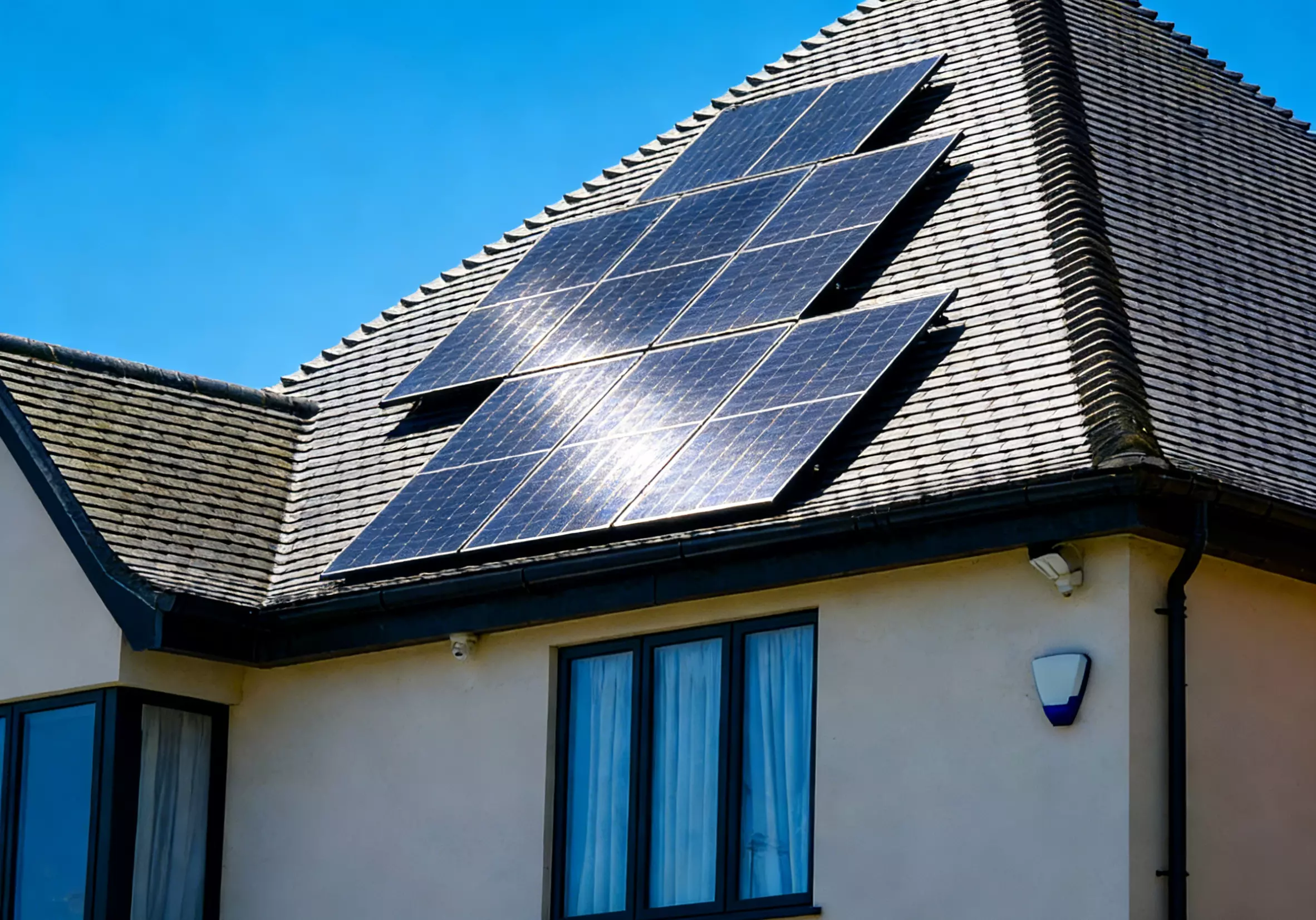
Most home panels are 300W to 450W. For a 10kW system:
- 300W panels: 10,000W / 300W = ~34 panels
- 400W panels: 10,000W / 400W = ~25 panels
These will occupy about 500 to 700 square feet of roof space depending on efficiency.
A Real-World Energy Offset Example
Peak load real-time:
- Central air conditioning 4 kW
- Oven 3 kW
- Refrigerator 0.5 kW
- Lighting & electronics 1 kW
Synchronous operation ≈ 8.5 kW
You can have a 10 kW inverter cover it, but don't forget:
- The air conditioning compressor startup surge is ≈ 6–8 kW, which will just "burst" the inverter.
- Solution: Add a soft starter or an additional 5 kWh battery buffer to prevent the surge from "bursting".
Going Off-grid with a 10kW System
- Battery: use it at night, 20–30 kWh is the minimum (again + air conditioning + light throughout the night).
- Backup: three-cloudy hit? Use a 3–5 kW silent generator or install another 2–3 kW units.
- Brain: smart inverter + EMS (energy management system), real-time scheduling of "power generation-power storage-power consumption".
How to Make the Most of Your 10kW PV System
- Monocrystalline high-efficiency panels: 5–8% more power for the same area.
- Pure south + latitude tilt, total yearly average irradiation.
- No shading: Normal flushing + periodic pruning, steady increase in power generation by 5–10%.
- Select Hybrid inverter: Direct switch between AC power and battery, no loss of power.
- Cloud monitoring: Track power generation, power usage, and balance on your smartphone at any time and resolve abnormalities immediately.
Final Thoughts
A 10kW photovoltaic system offers impressive energy generation potential. While regional differences exist, most homes can significantly reduce or eliminate their electricity bills with proper system design.
If you're considering a powerful and intelligent energy solution, Huijue Group's hybrid energy storage systems are worth your attention. Our integrated solar + storage solutions, including advanced lithium battery technology and high-efficiency inverters, ensure continuous power—even during grid outages.
Huijue's commercial and residential systems feature:
- Modular battery storage
- Smart energy management (EMS)
- Grid-tied, off-grid, and hybrid compatibility
- Rugged outdoor cabinets for durability
Whether you’re planning to offset energy bills or aiming for total energy independence, Huijue Group provides the cutting-edge tools you need to power the future.
Contact us today to learn more about our 10kW+ energy storage solutions tailored to your needs.