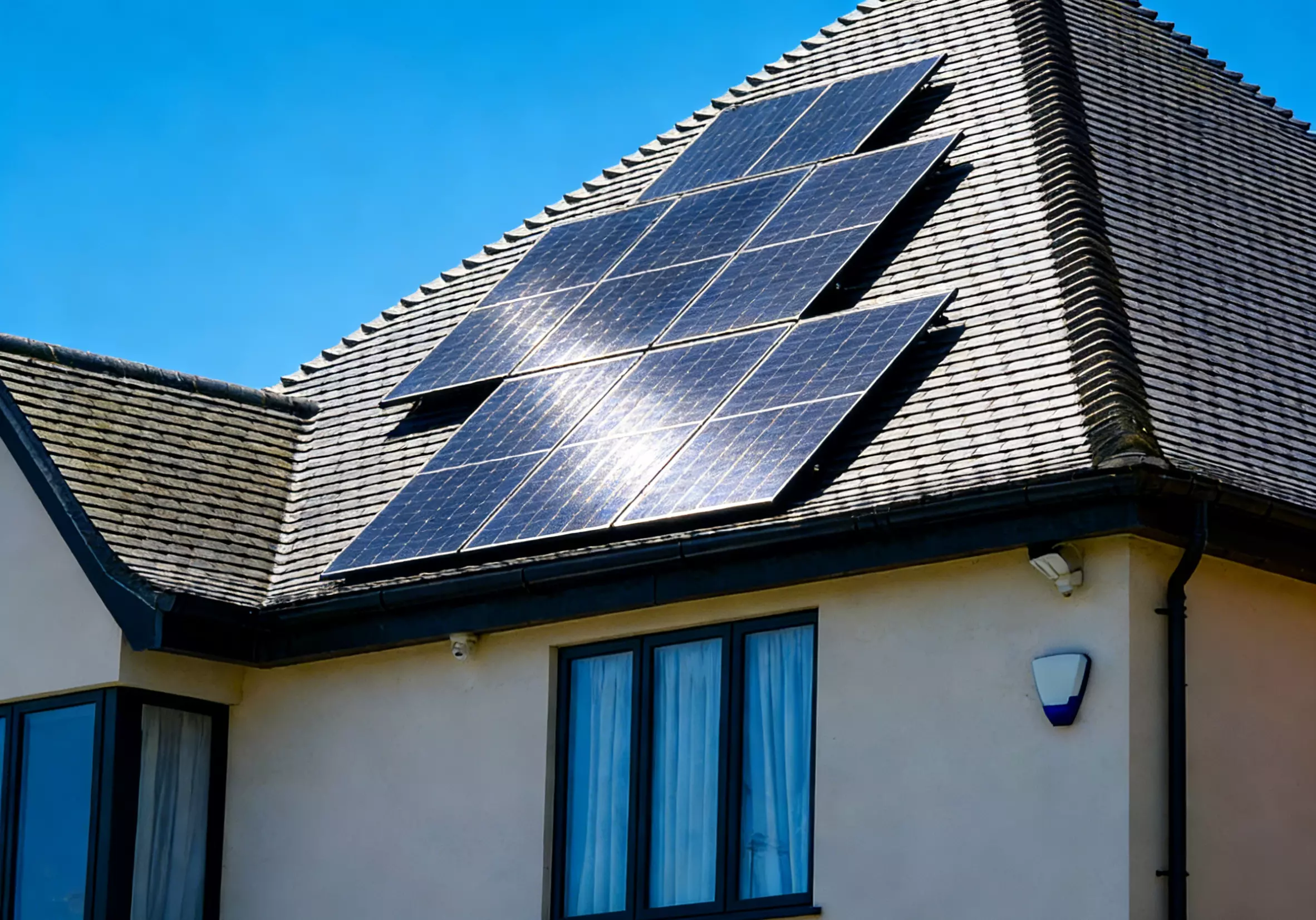
As AI becomes the focus of global technological competition, an invisible energy war is quietly unfolding. Goldman Sachs recently issued a warning: Europe and the United States' aging power grids are becoming a key bottleneck for AI development and energy security. In this "power race," China, with its continuously improving power grid system and leading energy storage deployment, may hold the biggest trump card of the AI
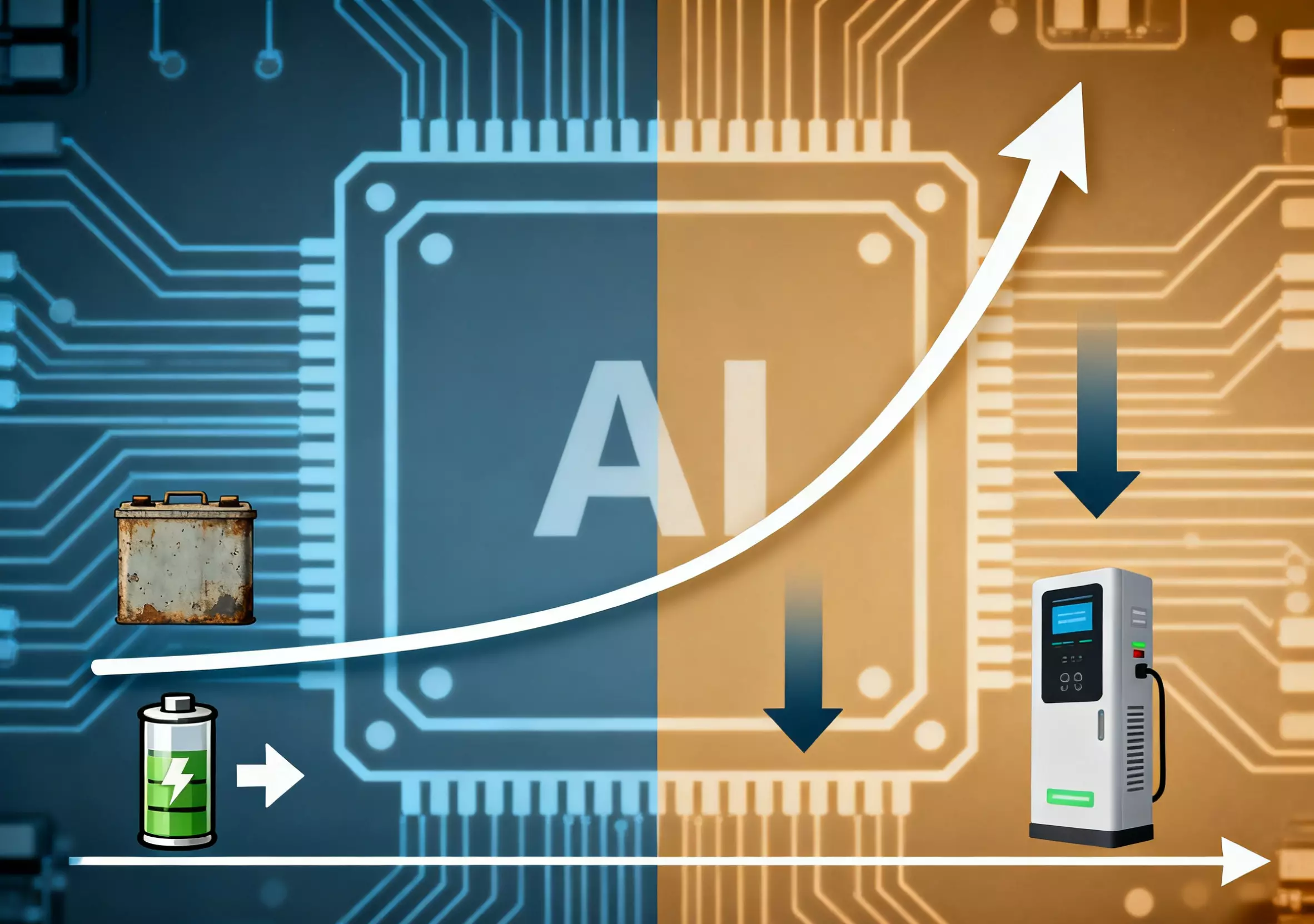
1. The Rise of AI: Making "Electricity" the New Core of Productivity
The rapid development of artificial intelligence is inseparable from computing power, and behind this computing power is enormous electricity consumption. Training a large AI model often requires thousands of high-performance GPU servers, running continuously for weeks or even months.
Data shows that global data center electricity consumption is growing at an annual rate of approximately 15%. In Virginia, data centers already account for 21% of the state's electricity load. The expansion of AI is making electricity a new strategic resource.
However, Goldman Sachs' latest report points out that AI relies on electricity, and electricity relies on energy storage and the power grid.
2.Aging European and American Power Grids: The "Invisible Shackle" of AI Development
According to Goldman Sachs analysis, the average age of European power grids is 50 years, and that of North American power grids is approximately 40 years, both nearing the end of their operational lifespans.
In the US energy market, nine of the 13 major power regions are already experiencing power supply shortages. The PJM grid in Virginia, known as the "global data center capital," has even repeatedly experienced transmission bottlenecks.
Goldman Sachs predicts that by 2030, almost all US regional power markets will be at critical strain. The surge in energy consumption from AI, rising defense energy demands, and geopolitical influences have made power supply a weak point for Western economies.
Furthermore, the copper resources required for power grid upgrades are becoming the new "oil." Goldman Sachs predicts that by 2030, power grid construction will drive global copper demand by approximately 60%, supporting copper prices to reach $10,750 per ton by 2027.
3. The Chinese Model: Power System and Energy Storage Advance in Parallel Progress
In stark contrast to the aging power grids of Europe and the United States, China is building a modern energy system at a faster pace.
From ultra-high voltage transmission networks to renewable energy consumption and energy storage deployment, China has already taken a leading global position in the "power security chain."
In the energy storage sector, China's strategic foresight is particularly prominent. Energy storage systems serve not only as a "reservoir" of electricity but also as the "intelligent dispatching hub" of the future power system.
They can store excess power during low-demand periods and release it during peak periods, shaving peak loads and balancing loads, ensuring the stable operation of AI data centers, industrial parks, and urban power grids.
It can be said that energy storage has become the most critical "bridge" between AI and energy security.
4. Energy Storage: The Energy Foundation of the AI
Goldman Sachs analysts Lina Thomas and Daan Struyven noted in a report that AI, the power grid, and national defense are forming a mutually dependent closed loop.
AI is driving growth in electricity demand, requiring power grid upgrades to adapt. Energy storage is a crucial foundation for grid stability and supporting power resilience. In the AI era, the importance of energy storage systems is being redefined. They not only support the efficient use of clean energy but also determine a country's energy sovereignty in the "smart competition."
In the future, energy storage systems will become an indispensable component of energy infrastructure, whether in urban microgrids, industrial and commercial parks, or AI data centers.
5. Opportunities for Chinese Energy Storage Companies: A Double Dividend of Technology and Market
With policy support and exploding market demand, the energy storage industry is entering a golden period of development.
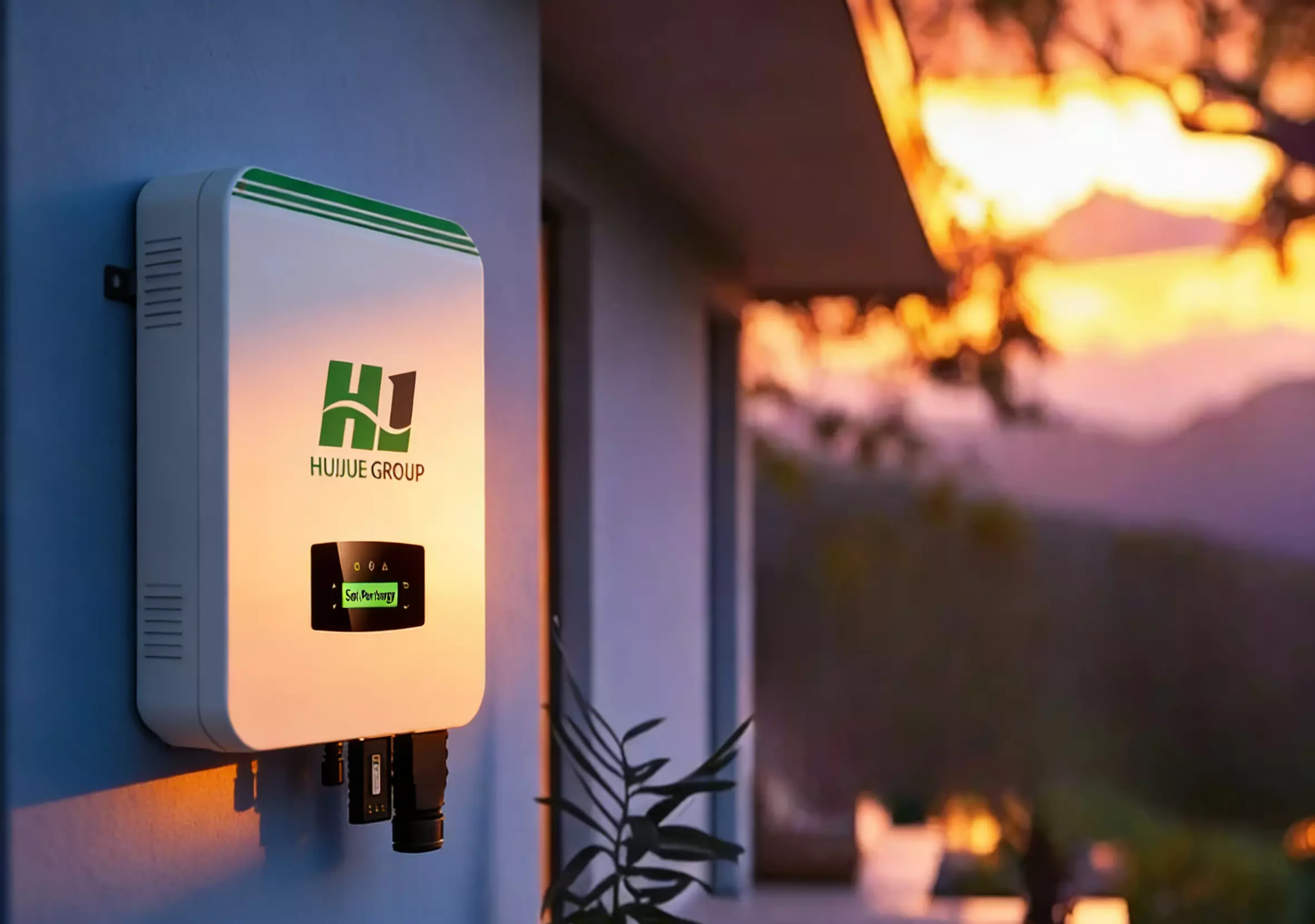
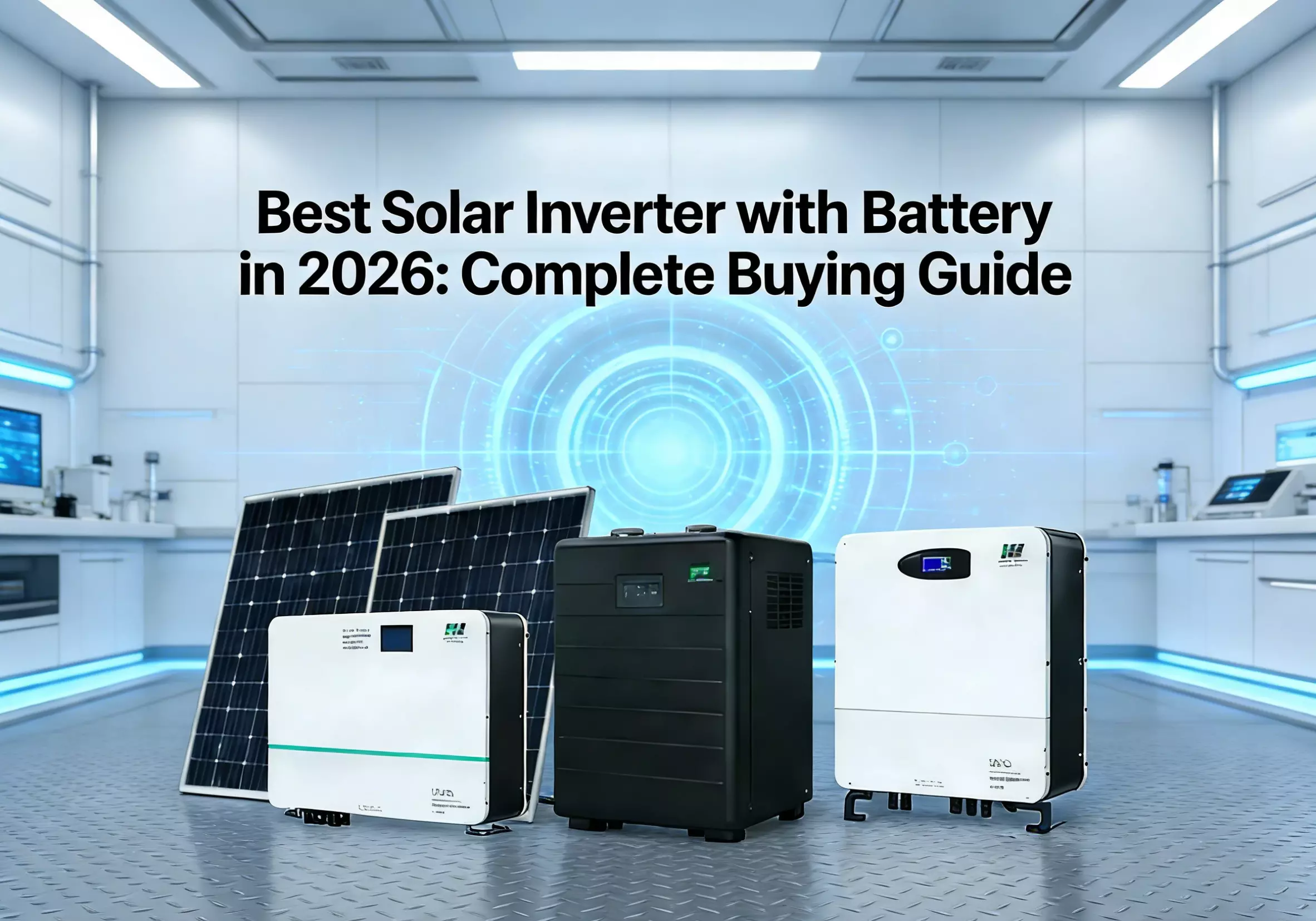
Huijue Group has been deeply engaged in the energy storage industry for over 20 years. Its diverse product lines include residential energy storage systems, industrial and commercial energy storage solutions, communication base station energy storage cabinets, and integrated photovoltaic storage and charging units, widely used in domestic and international markets.
Huijue's energy storage system, with its core advantages of high safety, high efficiency, and intelligent EMS energy management, can flexibly adapt to diverse scenarios and provide stable and reliable power for AI data centers, industrial loads, and microgrids.
In an era where "AI relies on electricity, and electricity relies on energy storage," Huijue is using innovative technologies to support the transformation of the global energy structure and promote a cleaner, smarter future.
6.Energy storage is the "invisible engine" of the future energy landscape.
From Goldman Sachs' warnings to the transformation of the global power landscape, energy storage is moving from the background to the center stage.
The rapid development of AI is just the beginning; the true energy revolution is quietly underway with "energy storage." The future belongs to those countries and companies that seize the initiative in energy.
Huijue will continue to use innovative energy storage technologies to provide a continuous "power base" for the AI
Learn more about Huijue's energy storage solutions and explore new energy opportunities in the AI.