With rapid commercialization of energy storage systems, the majority of folks think that it has a very critical disadvantage: regulating temperature. Just like other technologies, battery systems also have an ideal condition - they can perform at their highest possible efficiency at the right temperature. Temperature control is a very critical control factor in energy storage systems, which can make the system more efficient.
Today, let's talk about how battery liquid cooling works and how it improves system efficiency and service life.
What is Battery Liquid Cooling?
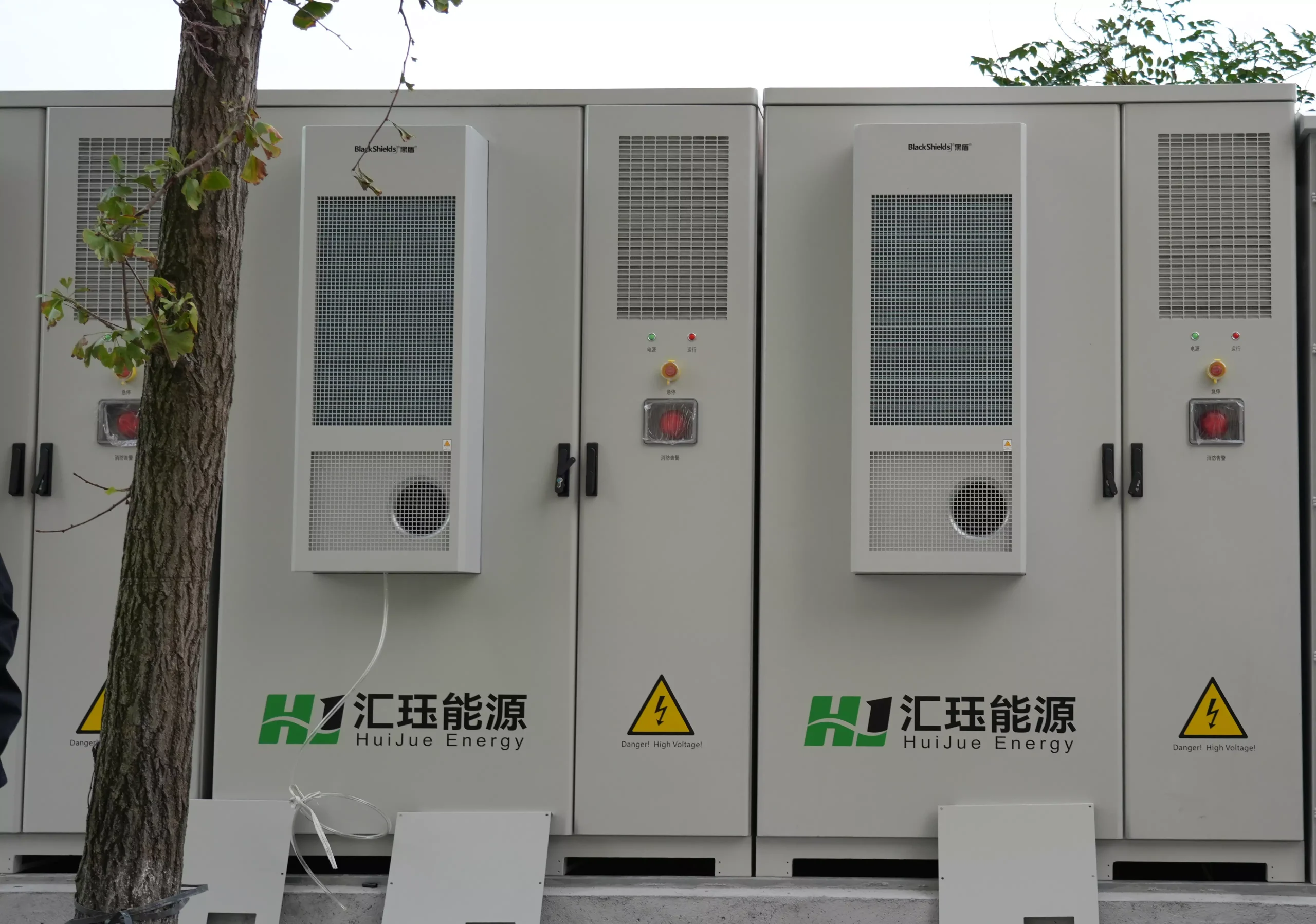
In simple terms, battery liquid cooling is a method using liquid to regulate the heat generated by systems of energy storage. Think of it as the "cooling blanket" that keeps your battery from overheating. There are several cooling solutions, but liquid cooling has emerged as the preferred method for many commercial energy storage systems due to its efficiency and effectiveness.
How Does Liquid Cooling Work?
Liquid cooling systems for batteries are composed mainly of several things: cooling plates, cooling units, tubing, and coolant itself (usually an ethylene glycol solution or equivalent). The coolant flows through the system, drawing the heat away from the battery and protecting sensitive components.
There are two main types of liquid cooling systems:
Cold plate cooling: This is indirect cooling. The coolant never comes in direct contact with the battery but takes away the heat from the battery through the cold plate.
Immersion cooling: This method takes a complete immersion of the battery in a non-conductive coolant. This method provides better temperature control, and as the entire system is closed, it is also safer.
Both methods can deal with heat well, and which one to use depends on what exactly is needed from the energy storage project.
Why is Temperature Control So Important?
The existence and operation of commercial energy storage systems are to a great extent guaranteed by temperature control due to the following reasons:
Battery performance: Low temperature or high temperature, in either event extreme temperatures will result in battery performance degradation, and efficiency and capacity will decrease. For example, high temperatures will cause batteries to degrade faster.
System consistency: The more and more batteries work together, the fluctuating temperatures will have them perform with different capacities. This not only guarantees the system's safety and efficiency, but the lifespan as well.
Therefore, it is particularly important to keep the energy storage system temperature balanced and moderate.
The Benefits of Battery Liquid Cooling
Now that we know approximately what temperature control is, let us look at the benefits of liquid cooling:
Improve efficiency: Liquid cooling can accurately regulate temperature, allowing batteries to work in their best condition, avoid overheating, and conserve energy.
Extend life: Batteries are kept in the best temperature condition at all times, so they do not degrade. Liquid cooling can prolong the service life of the entire system significantly.
Safer: Battery temperature runaway can be avoided through liquid cooling, and battery overheating and damage or even fire can be prevented, making the system safer.
Cost and Energy Efficiency of Liquid Cooling Systems
Though the initial expense of liquid cooling system is relatively high, the cost saving in the long run is tremendous. Liquid cooling system consumes less energy than air cooling. For example, the PUE (power usage efficiency) of cold plate liquid cooling is 1.1 to 1.3, and that of immersion liquid cooling is lower still, between 1.05 and 1.1, and the saving effect on energy is apparent.
Future Trends in Battery Liquid Cooling
The technology of liquid battery cooling is constantly evolving. Among those, the most in-demand submerged cooling technique provides better performance and is thus seeing increased application, especially for larger-scale systems of energy storage. With demands for energy storage expected to continue growing-mostly driven by sustainable energy-the market also for liquid cooling systems would grow accordingly.
By 2025, the market size of energy storage temperature control solutions is expected to reach nearly 9.4 billion yuan, with liquid cooling accounting for a large proportion. With the development of this trend, it is evident that liquid cooling will become an important component of the energy storage field.
Is Liquid Cooling Right for Your Energy Storage System?
If you're considering integrating commercial energy storage systems into your operations, liquid cooling might just be the right solution. With its efficient cooling capabilities, it’s an investment that pays off in both performance and durability. Whether you’re dealing with small-scale or large-scale systems, energy storage temperature control is essential to ensure your batteries remain safe, efficient, and long-lasting.