Recently, while holding a press conference at its China embassy, Pakistan categorically stated that it is ready to further collaborate with China on sodium-ion battery technology and has listed it as one of the priority sectors of future bilateral collaboration.
This is not just foreign news, but a huge bonanza for the energy storage industry.
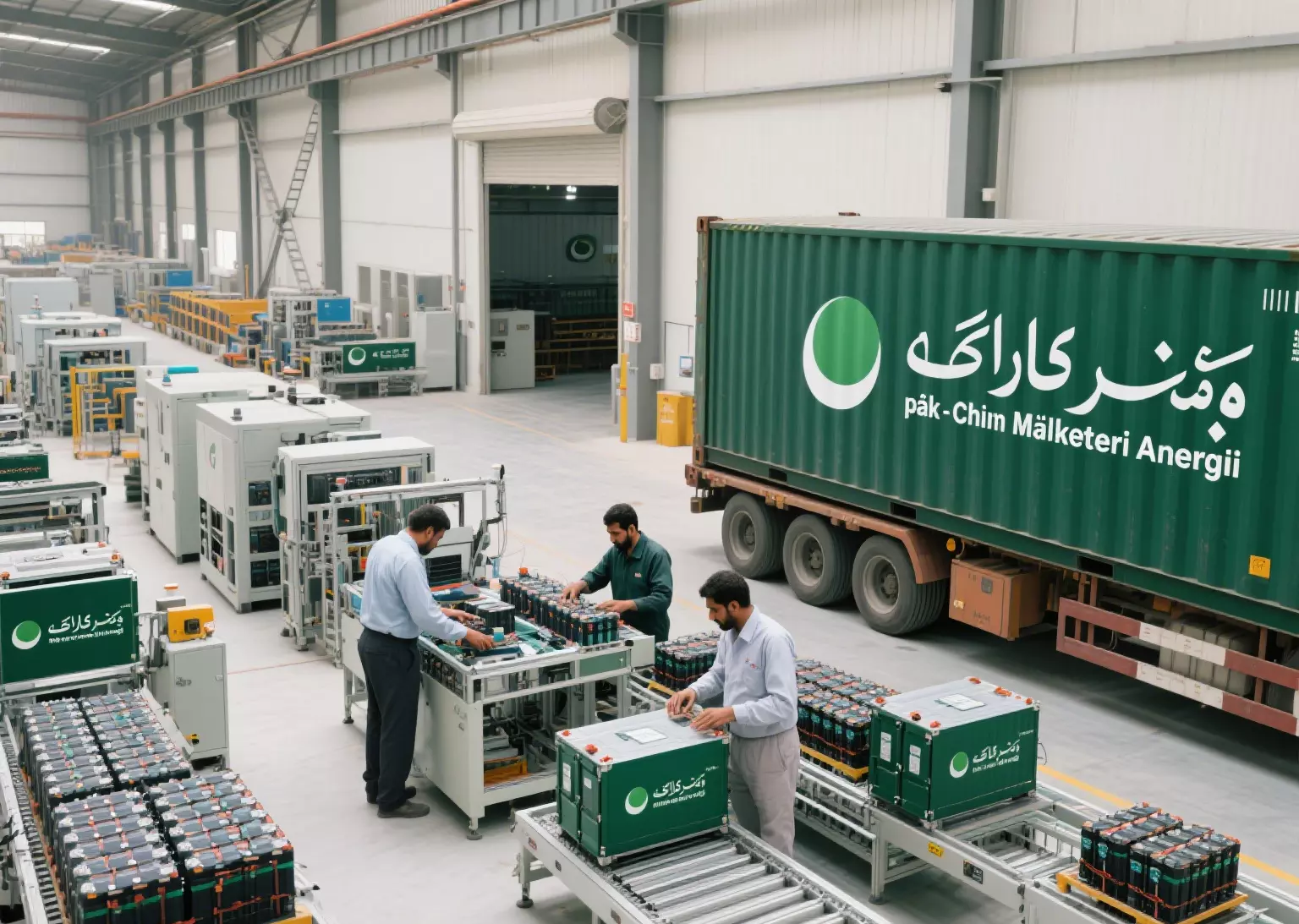
1.Background and Strategic Significance of China-Pakistan Cooperation
Pakistan's Minister of State for Planning, Development, and Special Initiatives, Ahsan Iqbal, stated at the conference:
- Electric vehicles constitute a quickly expanding industry in Pakistan
- China boasts a world-leading advantage in battery technology
- Sodium-ion batteries will lead the way in this cooperation.
He specifically mentioned that the China-Pakistan Business Conference, to be held in China on September 4th, will bring together over 450 companies from both countries, with the subject being electric vehicles, solar energy, chemicals, and agriculture. This would create huge cooperation and investment prospects in the area of sodium-ion batteries.
2.Why sodium-ion batteries?
Lithium batteries undoubtedly dominate the energy storage and new energy vehicle sectors. However, with fluctuating raw material prices and uneven resource distribution, the advantages of sodium-ion batteries are gradually becoming apparent:
- Abundant raw materials: Vast sodium reserves provide more stable costs.
- High safety: Thermal stability surpasses some lithium battery systems.
- Excellent low-temperature performance: Maintains high discharge efficiency even at -20°C.
- Adaptable for multiple scenarios: Suitable for electric vehicle power batteries, commercial and industrial energy storage, and off-grid power supply.
This aligns with the goals outlined in Pakistan's National Electric Vehicle Policy 2025-2030: 30% of new car sales will be electric by 2030, and achieving net-zero emissions in transportation by 2060.
3. The Huge Potential of Sodium-ion Batteries and Commercial and Industrial Energy Storage
Many people only associate sodium-ion batteries with electric vehicles, but in reality, their potential for commercial and industrial energy storage is equally astounding. This is particularly true in the following application scenarios:
- Peak-shaving and off-peak electricity price balancing for factories: reducing electricity costs
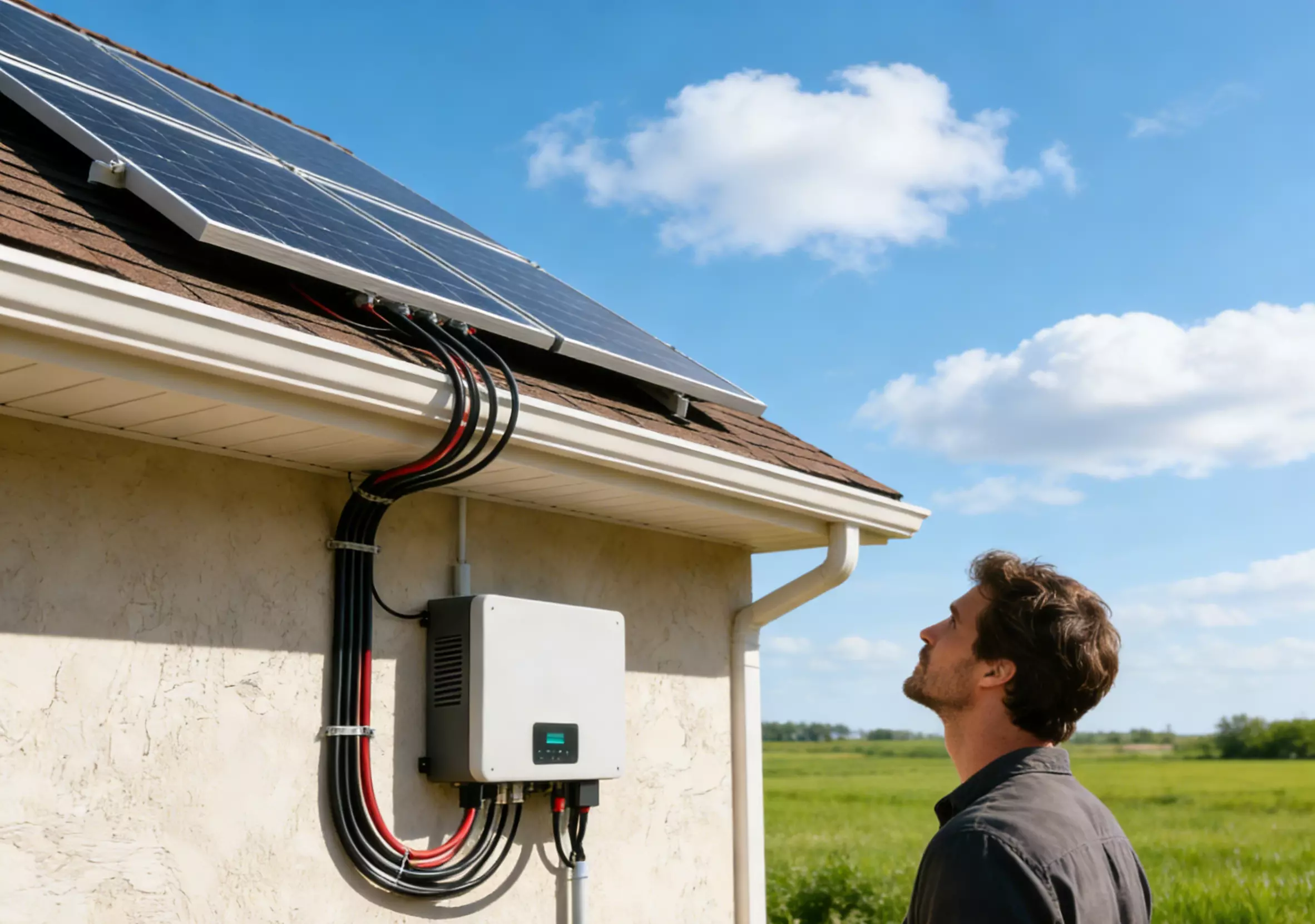
- Off-grid PV + energy storage solutions: resolving power supply challenges in remote areas
- Data center backup power: improving power supply security
- Microgrid systems: supporting special areas such as islands and mining areas
For countries like Pakistan, which have abundant solar resources but weak power grid infrastructure in some areas, "sodium power + PV + energy storage" can directly transform the energy landscape.
4. Opportunities for Chinese Companies
Currently, Chinese automakers such as BYD and Chery have already established assembly, charging infrastructure, and joint venture factories in Pakistan. This means that once sodium-ion batteries reach mass production, they will be quickly integrated into the automotive manufacturing and energy storage sectors.
Chinese energy storage companies also face an unprecedented window of opportunity:
- Policy dividends: Pakistan offers tax breaks, subsidies, and infrastructure support.
- Market gaps: The domestic battery and energy storage manufacturing industry chain is still in its early stages.
- Cost advantages: China's mature production system can be quickly replicated overseas.
5. Our Role and Solutions
As a company focused on energy storage system solutions, we have established a presence in the sodium-ion battery field:
- Providing sodium-ion + lithium battery hybrid energy storage systems that balance cost and performance.
- Supporting industrial, commercial, and off-grid applications, compatible with photovoltaic and wind power.
- We offer modular energy storage cabinets and containerized energy storage stations for rapid overseas deployment.
Given the context of China-Pakistan cooperation, we can provide one-stop services from equipment to system integration for businesses, investors, and government projects, helping to rapidly implement sodium-ion battery technology and achieve true energy independence and green transformation.
Conclusion
Sodium-ion batteries are booming, and China-Pakistan cooperation has opened the first door to their international development.
From new energy vehicle power batteries to industrial and commercial energy storage, sodium-ion batteries will be a key keyword for the next decade.
If you're interested in energy storage projects, overseas energy investments, or the implementation of sodium-ion battery applications, please contact us to seize this rare opportunity in the energy revolution.