Let's get to the heart of the matter. For network operators, the situation is simple: rising energy costs are eroding profits, and sustainability requirements are placing additional pressure. Traditional diesel-powered base stations are no longer a viable asset, but rather a liability. The solution isn't just about "going green," but adopting a smarter, more financially effective power supply strategy. This is where a BTS hybrid power system comes in—it's not an experimental technology, but a proven investment with a clear and compelling ROI.
This analysis goes beyond theory to provide nuanced, data-backed insights into how hybrid power can transform the financial and operational models of telecom sites.
Beyond Backup: The Intelligent Architecture of Modern Hybrid Power
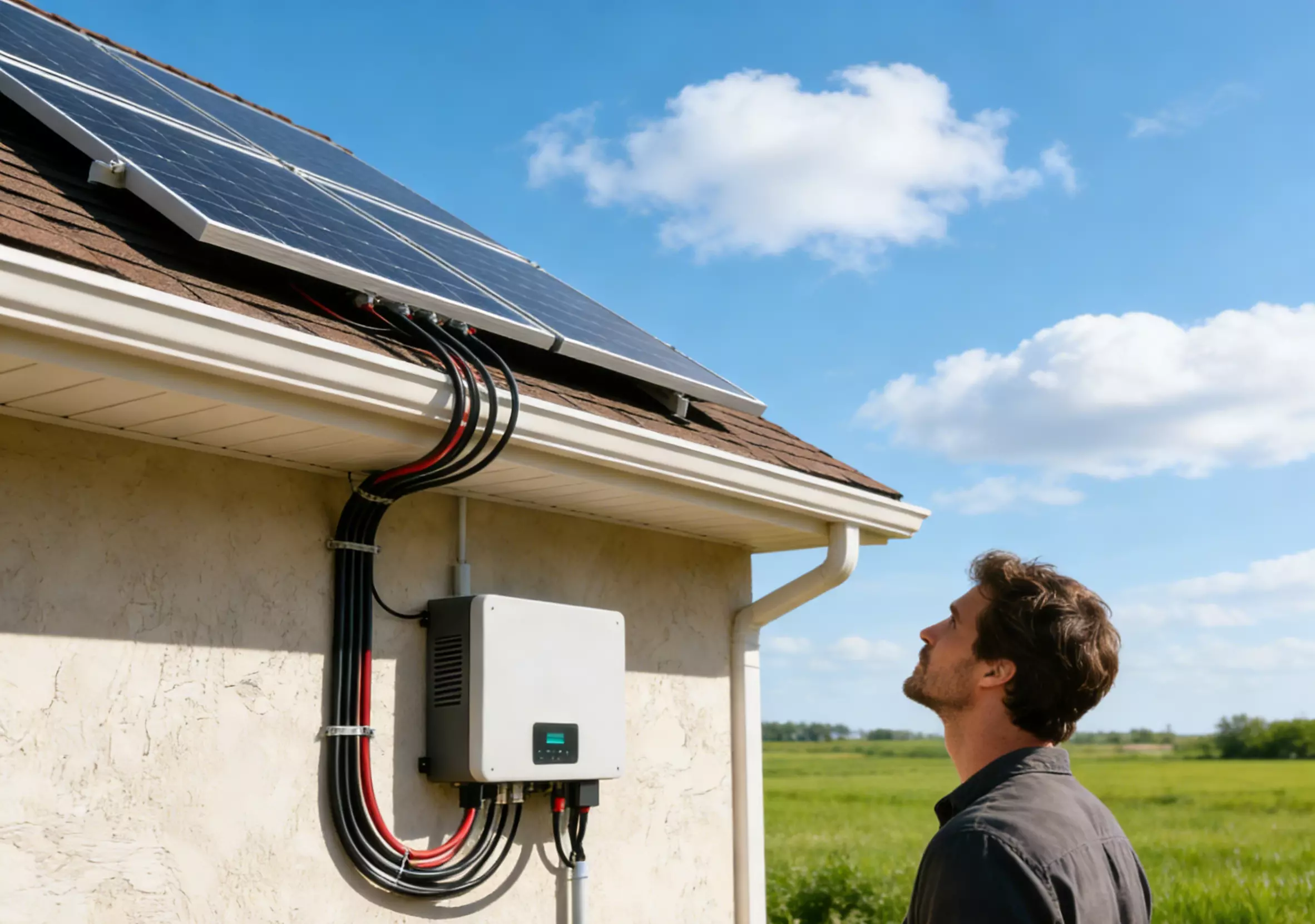
Forget the simplistic "solar + generator" concept. A modern hybrid power system is an intelligent, self-optimizing microgrid. Its core function is real-time energy arbitration, always selecting the most cost-effective and reliable option. Key components work together:
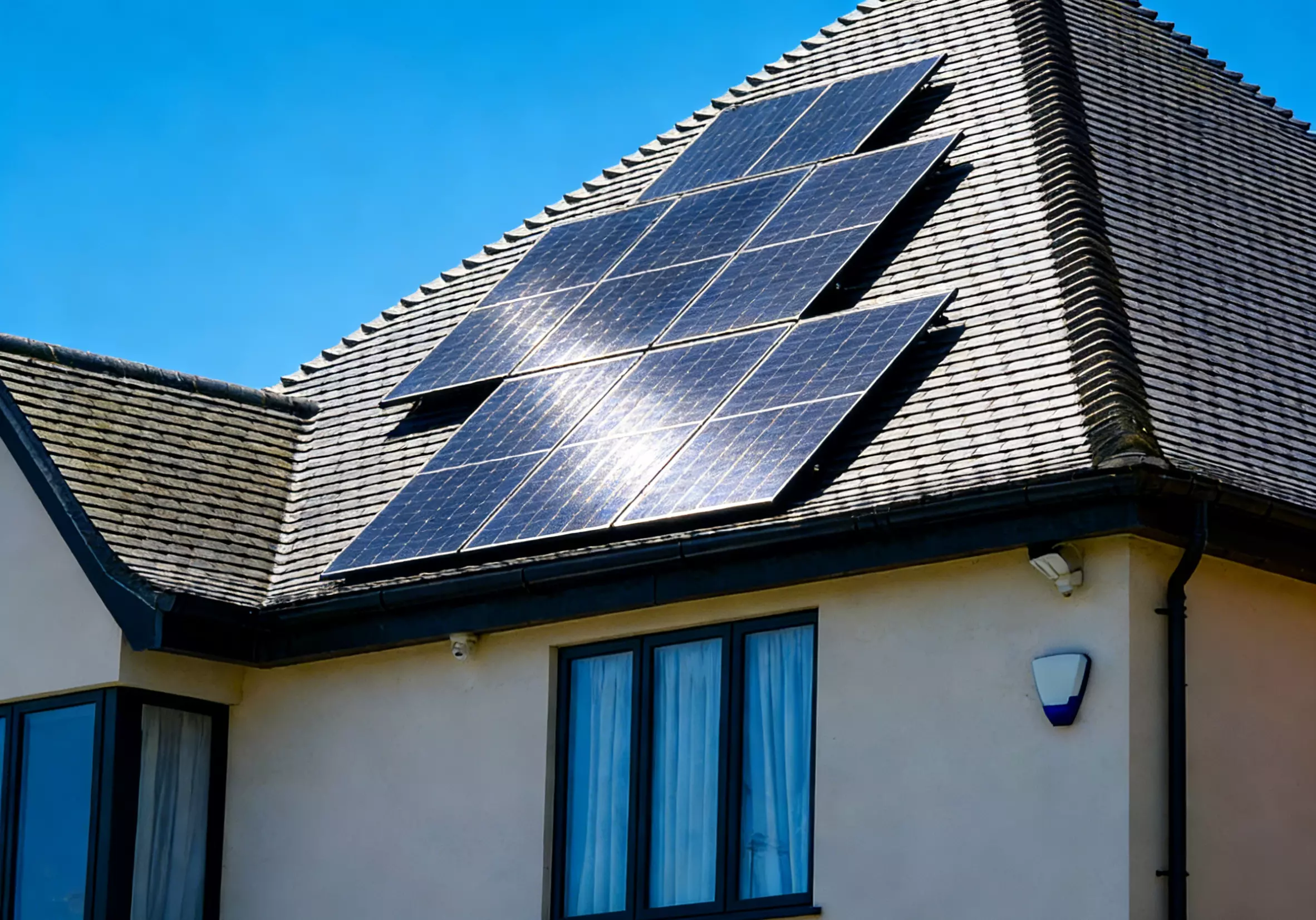
- Primary Power Source: High-Efficiency Solar PV: Using monocrystalline silicon panels with an efficiency exceeding 22.5%, a 10kWp array in a sunny area can consistently generate over 16,000 kWh of electricity annually. This goes beyond supplemental power; during daytime, it becomes the new baseload.
- Energy Bank: Lithium-Ion Battery Storage: This is a game-changing component. A 50kWh lithium-ion NMC battery pack with a round-trip efficiency of 96% stores excess solar power. It serves as the primary power source from sunset to sunrise, systematically delaying generator startup. Its ability to withstand thousands of deep-cycle discharges ensures this functionality lasts for over a decade.
- Strategic Backup: Diesel Generator: The generator's role has shifted from a workhorse to a safety net. Its annual operating hours have been reduced from over 8,000 hours to a few hundred, ensuring protection by starting only during periods of continuous rain or peak demand events.
- Conductor: Advanced Hybrid Controller: This is more than just a simple on/off switch. It's an intelligent controller that uses algorithms to predict solar power generation and load demand, making predictive decisions to maximize renewable energy utilization and minimize fuel consumption.
ROI Blueprint: Deconstructing the Financial Benefits
The financial appeal of hybrid power lies in its direct targeting of the largest component of remote site operating expenses: energy. Let's break down the savings using industry-proven data.
The Fuel Savings Engine
This is where the most significant savings occur. Let's move from percentages to actual liters and dollars.
Baseline: A typical 3G/4G site with an average load of 2-3kW and a diesel generator running 24/7 consumes approximately 20,000 liters of diesel annually.
Hybrid System Performance: A properly sized hybrid power system can reliably achieve an 80-85% reduction in diesel consumption. This translates to annual savings of 16,000 to 17,000 liters of diesel.
Financial Impact: At a conservative diesel price of $1.15 per liter, this translates to direct fuel cost savings of $18,400 to $19,550 per site per year.
OpEx Multiplier Effect
The knock-on effects of reducing generator usage are significant:
- Maintenance Savings: Reducing generator operating time by 80% means reducing oil changes, filter changes, and overhauls by 80%. This typically saves an additional $1,200 to $2,000 annually on maintenance contracts and parts.
- Extended Asset Life: A generator operating 500 hours per year will outlast one operating 8,760 hours per year, deferring capital expenditures for replacement by several years.
Quantifying Intangible Benefits: Uptime and Carbon Emissions
- Uptime = Revenue: Seamlessly switching to battery power during a grid outage eliminates revenue-generating downtime. For a site serving thousands of customers, the value of protected revenue and SLA compliance from a single outage can be in the thousands of dollars.
- Carbon Accounting: Eliminating 16,000 liters of diesel fuel translates to a reduction of approximately 42 tons of CO2e emissions annually. This directly contributes to ESG goals and can generate tangible value through carbon credit programs or avoided potential carbon taxes.
Payback Period: From Capital Expenditures to Positive Cash Flow
The initial investment in a hybrid system is substantial, but the payback trajectory is predictable. Let's simulate a realistic scenario for a typical site.
Assumed system cost: A robust 10kWp solar + 50kWh lithium-ion battery + controller system: approximately $52,000 (including installation).
Assumed annual savings: Fuel ($18,400) + Maintenance ($1,600) = a total of $20,000 in reduced operating expenses.
| Year | Annual Savings | Cumulative Savings | Net Benefit |
|---|---|---|---|
| Year 0 | - | - | - $52,000 |
| Year 1 | $20,000 | $20,000 | - $32,000 |
| Year 2 | $20,000 | $40,000 | - $12,000 |
| Year 3 | $20,000 | $60,000 | + $8,000 |
| Year 5 | $20,000 | $100,000 | + $48,000 |
| Year 10 | $20,000 | $200,000 | + $148,000 |
The model shows a payback period of slightly less than 3 years. From that point on, the system generated pure profit for the operator every year for the remaining 15-plus years of its lifespan. The lifetime return on investment is significant.
Module-Level Review: Why Your Return on Investment Depends on Technical Specifications
Not all hybrid systems are created equal. Compromising on module quality directly erodes your return on investment.
| Key Components | High-Performance Specifications | Standard Specifications | Impact on Your Profit |
|---|---|---|---|
| Solar Panel Efficiency | >22.0% | <19.0% | Lower efficiencies require more physical space and more modules to achieve the same output, driving up material and installation costs. |
| Battery Chemistry and Cycle Life | Lithium-Ion NMC | Lead-Acid Batteries | Lithium-Ion NMC offers lower cost per cycle over its lifespan. It can be discharged deeper daily, allowing a smaller battery pack to accomplish the same work. |
| System Round-Trip Efficiency | 94-96% | 85-89% | A 5% reduction in efficiency means 5% of the solar energy you capture is lost as heat before it can power your equipment. Diesel fuels this shortfall. |
At HuiJue, our product design philosophy is rooted in maximizing lifetime value. We insist on using components that offer the lowest total cost of ownership. You can see this principle reflected in the detailed specifications of our modular hybrid power solutions.
Field Proven: Proven Performance from the Field
Theory is solid, but real-world data is the deciding factor. While HuiJue adheres to customer confidentiality agreements, the following public case studies from the industry perfectly illustrate the performance our systems are designed to achieve.
Case Study 1: Airtel Zambia - Network Modernization
Context: Facing fluctuating diesel prices and reliability issues at hundreds of sites.
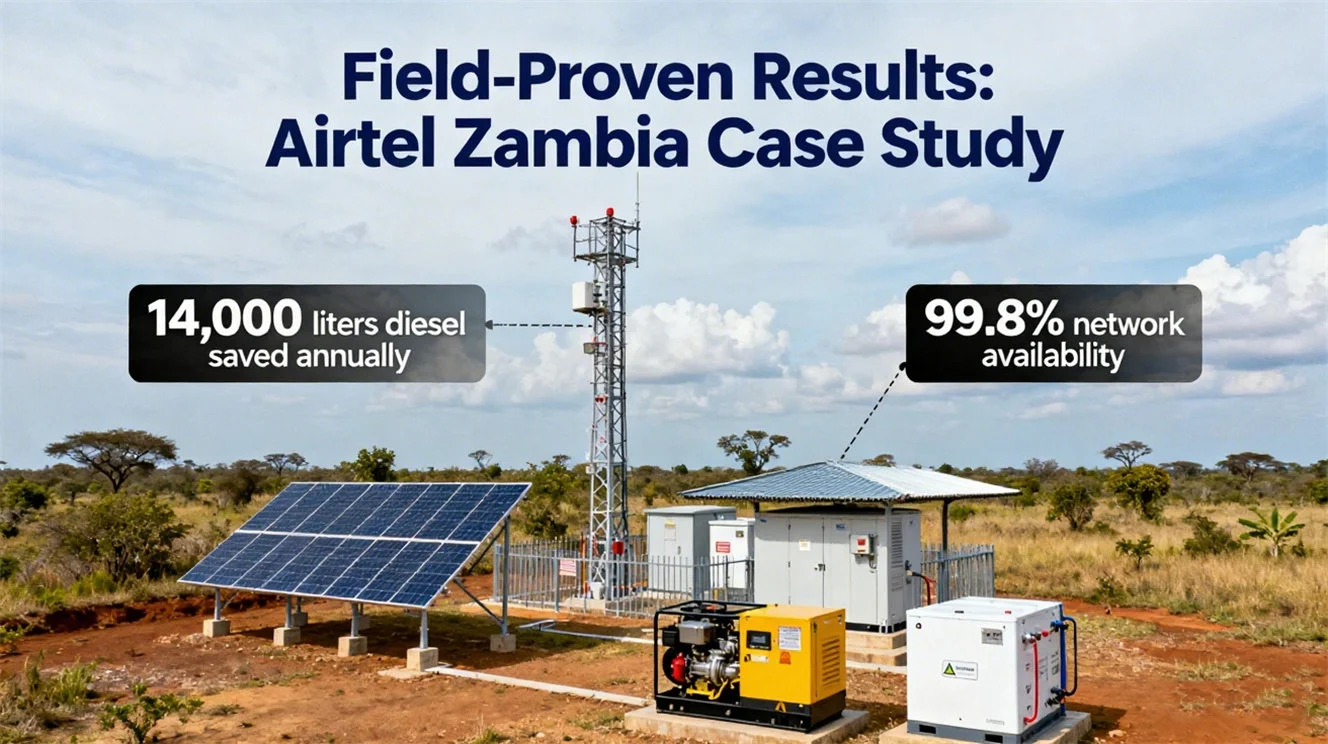
Implementation: Broad deployment of solar hybrid systems between 2020 and 2023. Documented Results: Airtel reported an average annual reduction of 14,000 liters of diesel consumption per site, significantly reducing energy costs and increasing network availability at the upgraded sites to 99.8%. The company's overall carbon footprint reduction was a key highlight in its annual sustainability report.
Case Study 2: Digi Telecommunications, Malaysia - Off-grid Site Solution
Challenge: A site located in a forested area with no grid connection and difficult fuel transportation.
Technical Solution: A system combining 15kWp solar, a 60kWh lithium-ion battery bank, and a biodiesel-compatible generator as backup.
Verified Results: The site achieved a 97% renewable energy share, with generator runtime measured in hours per month rather than daily. Taking into account avoided fuel logistics costs, the calculated payback period is 2.8 years.
Support: Protecting Your Long-Term Investment
A system's value depends on the support behind it. A 48-hour response time to an outage can offset a month's worth of fuel savings. Our ROI model includes:
- Proactive Remote Monitoring: We don't wait for you to report an outage. Our platform flags performance anomalies for preventative maintenance.
- Localized Service Agreements: We work with a network of certified local partners to ensure rapid ground support, minimize potential downtime, and protect your return on investment.
Key Takeaway: A Strategic Imperative
Deploying a hybrid BTS power system is a strategic capital investment that systematically dismantles a major operational cost center. The business case is undeniable: it provides a predictable payback period, long-term positive cash flow, enhanced network resilience, and a clear path to sustainable development.
Stop viewing hybrid power as a cost. Start viewing it as a profit center.
Contact us for a no-obligation ROI forecast for your site. Our engineers will use your actual load profile, local fuel prices, and solar data to build an accurate financial model for your decision.
Frank Discussion: Answering Your Hybrid Power Questions
Q: Winters here are short and cloudy. Is hybrid power still feasible?
A: Absolutely. System design will adapt to the local climate. In areas with less sunlight, the design may include a slightly larger solar array and battery packs to cover more nights. Generators will run more frequently in the winter, but the system will still maximize solar utilization during the longer summer days, delivering significant annual savings. Payback periods may be extended by 6-12 months, but the underlying economic benefits remain strong.
Q: How can we manage the technical expertise required to maintain these systems?
A: This is a common concern. The best hybrid systems are designed for remote management. Intelligent controllers provide clear operating data and fault codes. Furthermore, providers like HuiJue offer comprehensive support packages, including remote troubleshooting and dispatch of local technicians, effectively outsourcing the technical burden and ensuring optimized site performance without adding pressure on your local team.
Q: Are there financing options for this capital expenditure?
A: Yes. The strong and predictable cash flow generated by these systems makes them well-suited for third-party financing models, including "energy-as-a-service" or leasing arrangements. This allows operators to deploy the technology with zero upfront capital and cover expenses with operational savings generated from day one.