The battery energy storage market is shifting on a tectonic scale. In this respect, 20- foot containers have long been synonymous with BESS requirements. Now, industry trends point to a shift towards modular energy storage with the supposed advantages of more flexibility, higher energy density, and ease of transportation.
With the entrance of players such as CATL, Fluence, and Hyperstrong offering new module systems, the meaning of such a change has become the single biggest milestone in the maintenance and design of large-scale energy storage.
Why the Shift? Understanding the Limitations of 20-Foot Containers
The 20-foot container has been the utmost industry standard. A few inherent problems, however, have been the cause for people searching for alternatives:
- Limited energy densities: Energy densities in a 20-foot container are almost reaching their limits because of area constraints.
- Less flexible designs: With the development of battery cell technology, the fixed position design of 20-foot containers finds it difficult to accommodate changing battery form factors.
- Transportation constraints: Sea and train shipping enforce very restrictive weight and size limitations upon containers, thereby restricting to an extent the application spectrum of 20-foot containers.
- Hard to customize: Tailoring of a 20-foot container is extremely costly and inflexible to cater to demands coming from different sizes of power grids and commercial and industrial (C&I) applications.
As the battery energy storage market continues to develop, designers are putting increasingly greater emphasis on design flexibility and shipping efficiency, and modular systems are leading the way in these efforts.
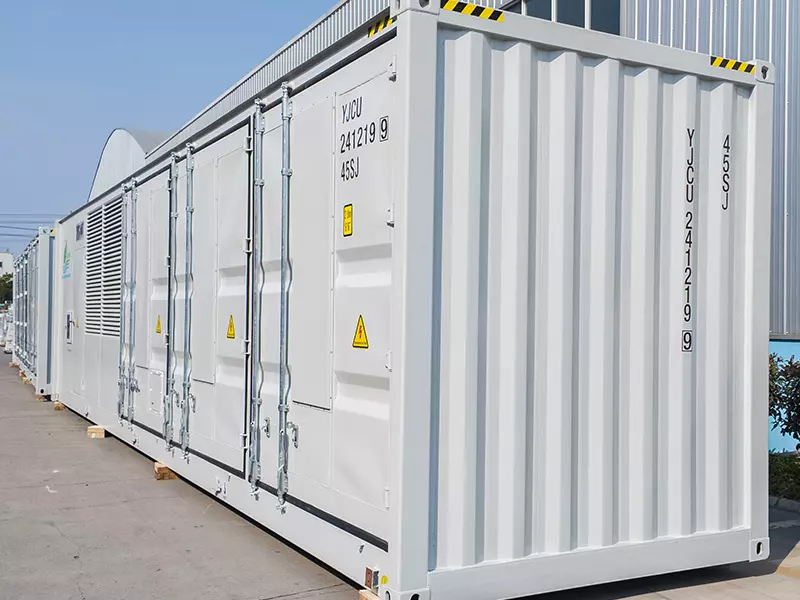
New Modular Designs Redefine Energy Storage Form Factors
- CATL Tener Stack: Increased power in a smaller package
CATL's new product, Tener Stack, has a combined capacity of 9MWh when stacking two modules vertically and still occupies only a 20-foot base footprint, a significant advance from earlier designs. This vertical expansion design allows CATL to maximize the usage of energy in the confined area, a significant advance over the traditional containerized system.
- Hyperblock M by Superpower Technology: Strong and mobile
China's Superpower Technology has introduced the Hyperblock M, a 10-foot-long modular unit with a capacity of 3.2MWh. Its 24-ton mass allows it to support sea, land ,and rail transport, showing the versatility of multimodal logistics in the battery energy storage sector.
- Huijue Group's AC module: more intelligent and modular
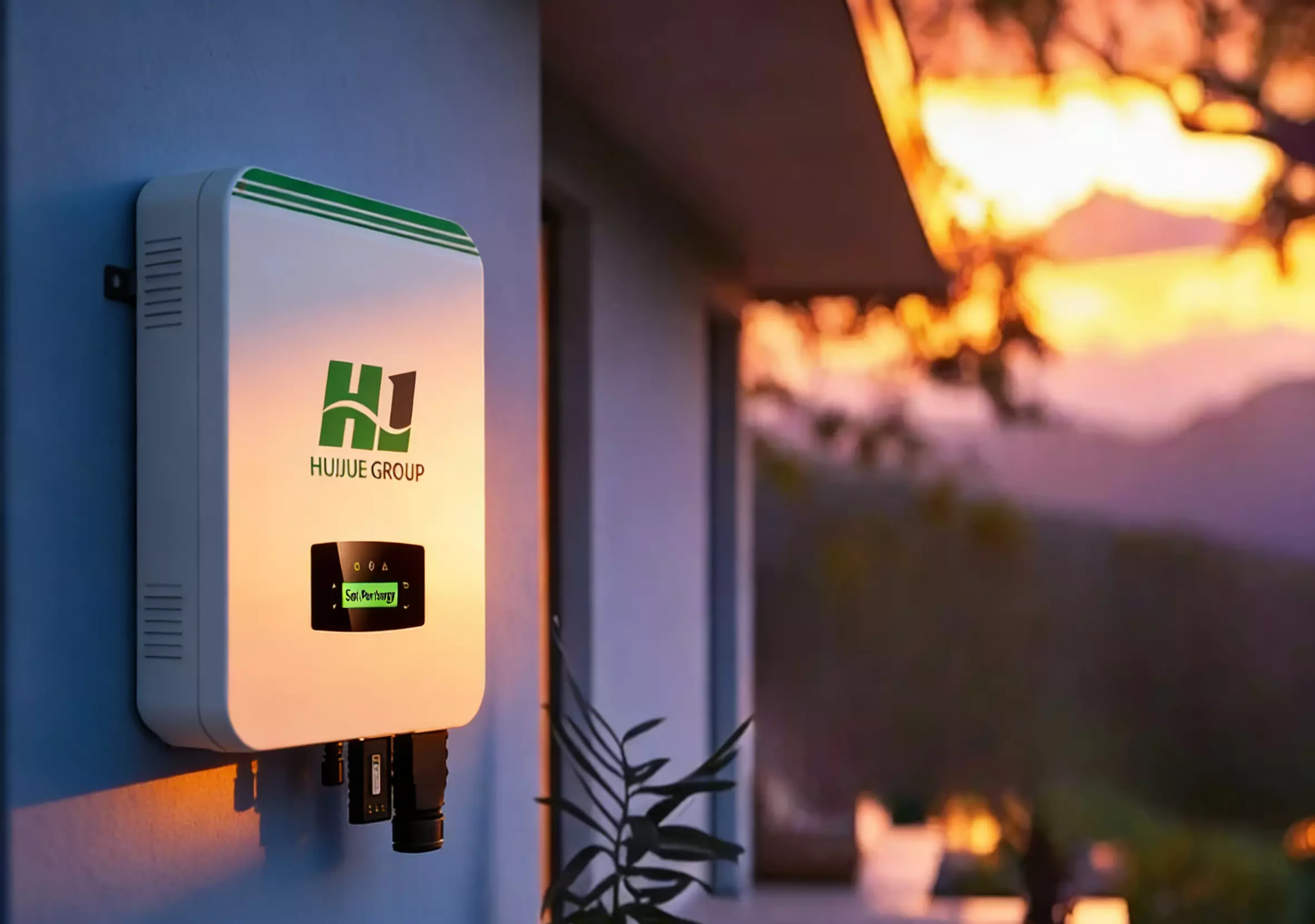
Huijue Group has launched its energy storage container solution, which is slightly bigger than a 20-foot container and offers flexibility in customizing. Huijue container energy storage is scalable, is optimized to integrate larger battery sizes ,and has increased energy capacity through better thermal management technology.
The Rise of Larger Cell Sizes: Fueling Modularization
One of the key drivers behind this design shift is the evolution of battery cell sizes. While older systems relied on 280Ah or 314Ah cells, many manufacturers are now adopting cells in the 600Ah to 1000Ah range.
Larger cells:
- Reduce the number of connections and wiring complexity
- Enhance energy density
- Require new housing formats not constrained by legacy container dimensions
- These changes create opportunities for manufacturers to design unique and proprietary battery energy storage systems.
Intellectual Property and Differentiation
Dr. Cao Hui, Chairman of REPT, emphasized the need for technological uniqueness. “If everyone copies each other, IP risks become significant,” he noted. This competitive need for innovation further supports the industry's movement toward differentiated, modular designs that break from standardized formats.
Advantages of Modular Battery Energy Storage Systems
The trend toward modular systems brings several practical benefits:
- Improved scalability – Easier to increase capacity by adding units
- Enhanced logistics – Flexible transport by land, sea, or rail
- Higher energy density – More energy packed per square meter
- Greater customization – Tailored solutions for utility-scale, commercial, and industrial applications
- Easier maintenance – Components can be replaced or serviced individually
The 20-Foot Container Isn’t Gone—But It’s No Longer King
Despite the growing modularization trend, many companies continue to launch new 20-foot container-based BESS solutions. Firms like Envision, IPS, Saft, and Powin still support this format due to:
Industry familiarity
Existing infrastructure
Cost efficiency for certain use cases
For instance, Envision and IPS showcased 20-foot solutions with energy densities nearing 8MWh, demonstrating that container-based systems still have a role to play in the evolving energy landscape.
Industry Outlook: Modularization as a Long-Term Trend
Industry insiders believe the move toward modular battery energy storage systems is not a passing trend but a lasting shift. With the increasing need for customizable, transportable, and scalable energy solutions, modular systems are likely to dominate future deployments.
As one expert stated:
“People are realizing that bigger isn’t always better. Modularity enables smart scaling and efficient deployment.”
Conclusion: A Smarter, Modular Future for Battery Energy Storage
The battery energy storage industry is moving beyond the limitations of standard containers. Modular designs are reshaping the way energy storage systems are built, transported, and deployed. With more companies embracing customization, higher energy density, and advanced logistics, modularization is setting the stage for the next wave of innovation in battery storage.
For project developers, investors, and utilities, now is the time to evaluate the benefits of this modular trend—and how it can bring smarter energy solutions to the grid.