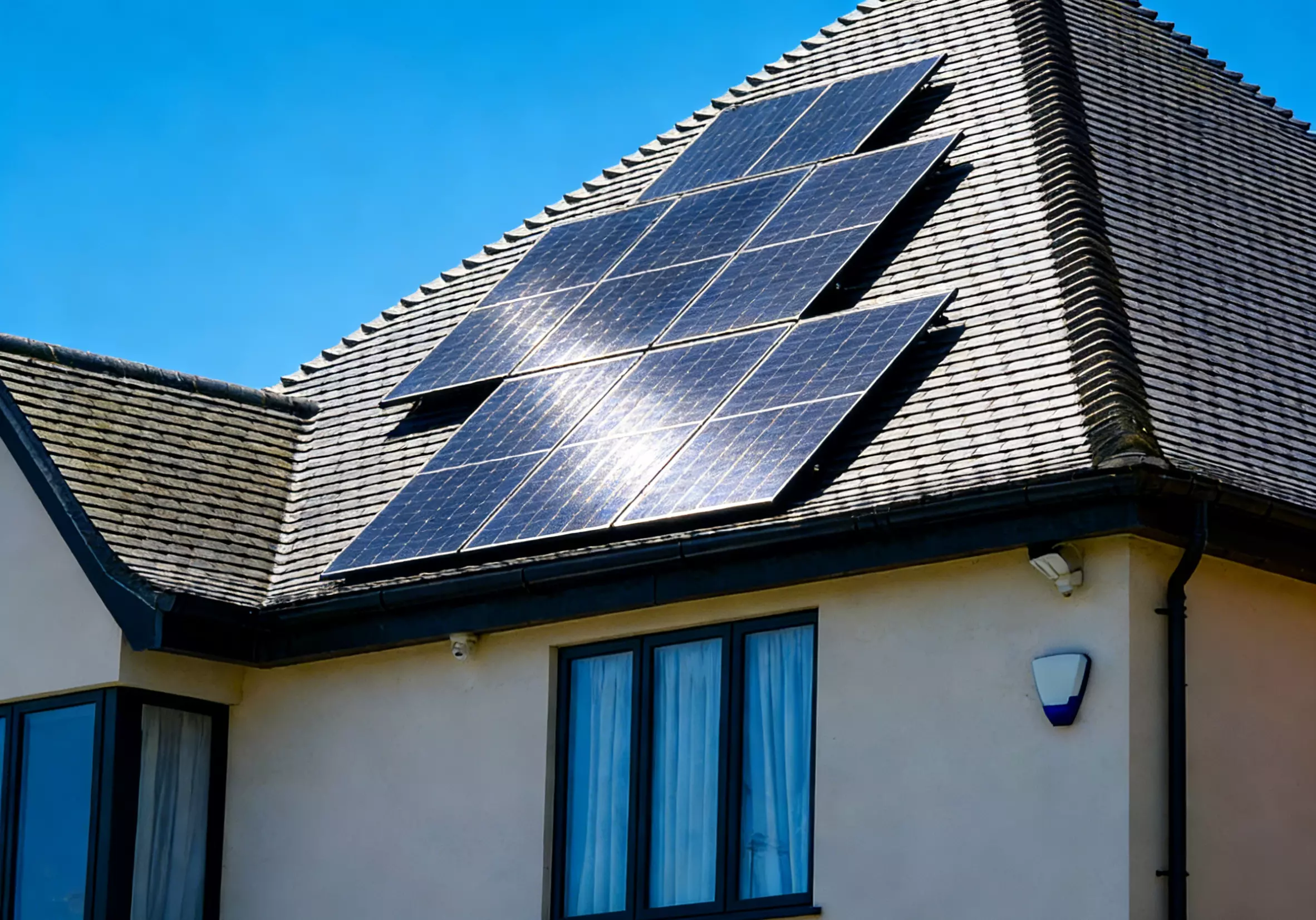
More and more enterprises and non-profit organizations hope to reduce electricity costs, improve energy independence, and even enhance ESG ratings through solar systems. However, when it comes to actual investment, many institutions face a common issue: "The initial investment in solar energy is high. Are there any subsidies or grants that can be applied for?"
The answer is yes.
In particular, inverters — although accounting for only a small part of the cost of solar systems — are key devices that affect efficiency, stability, and long-term returns. Many countries are providing different forms of financial support for such key devices.
This article will give you a comprehensive understanding of the types, qualifications, and application process for solar inverter grants that enterprises and non-profit organizations can apply for. We will also explore how to improve the success rate of applications.
01 | Why should enterprises and non-profit organizations pay attention to "inverter subsidies"?
For enterprises, upgrading solar inverters can often bring obvious benefits:
- ✔ 1. The inverter does not account for much of the system cost, but it determines the performance of the system.
Solar panels are only responsible for "power generation", while inverters decide:- Whether the daily power generation efficiency is stable
- Can the life of the system be extended?
- Can it be connected to the network and store energy?
- Whether to support future capacity expansion
- Can I get the subsidy certification?
Therefore, it is the "brain" of the whole system.
- ✔2. Upgrading the inverter can significantly improve the energy saving effect.
For example:
The efficiency of the old inverter may be only 94%.
The new inverter can reach ≥97%–98%
For large enterprises, a 1% increase in power generation may mean savings of thousands of dollars a year. - ✔ three. Government/fund subsidies can greatly reduce the pressure of early investment.
Subsidies are usually reflected in the following ways:- Direct subsidy (rebate)
- Special green fund support
- Low-interest loans
- Tax credit (for enterprises)
They often cover 10%–30% of the system equipment investment.
- ✔ four. ESG, carbon emissions and sustainable policies promote the adoption of solar energy in institutions
Including:- Enterprise ESG Disclosure Requirements
- Non-profit organizations need to reduce operating costs.
- Schools and community centers improve energy independence
Inverter subsidies can help these institutions complete the energy transformation at a lower cost.
02| Can solar inverters apply for subsidies separately?
Many institutions will ask, "Is the subsidy only for the whole system? Can I only replace the inverter?"
Generally speaking, the subsidy will follow the following rules:
- ✔ 1. You can apply for the use of inverters as part of the solar system.
If you install a whole set of solar systems, including inverters, components and batteries, the inverter will naturally be included in the scope of funding. - ✔2. Replacement/upgrade inverters may also meet the categories of "energy efficiency improvement" and "equipment transformation"
Especially:- Replace the old inverter with a high-efficiency inverter
- Enterprises need to replace higher-power inverters for solar energy expansion systems.
- The old inverter is not compatible with the energy storage system and needs to be upgraded.
This situation is in compliance with the "energy efficiency upgrade" of many governments.
- ✔ three. Energy storage inverters often enjoy additional subsidies.
Because the energy storage system has the effect of "cutting peaks and filling valleys and emergency power reserve", it is the key support target of most green funds. - ✔ four. Hybrid Inverter can enjoy PV + energy storage subsidy at the same time
It belongs to the AIO (All-in-One) product of "one machine for many purposes", so in the application document, it can be:- PV inverter
- Battery inverter
- Smart energy management equipment
The appearance of the identity increases the probability of qualification.
03| Main subsidy categories applicable to enterprises and non-profit organizations
In order to avoid outdated policy names, we classify them by function. No matter in which country or region, most subsidies will fall into the following five categories:
- Rebate - the most direct and common
Characteristics:- The price of the equipment is directly reduced.
- It can be reduced at the time of settlement.
- It is usually related to inverter efficiency and certification.
Applicable to:
- Enterprise
- Industrial and commercial factory
- Community solar energy project
- Energy Tax Credit - Enterprises Are Most Concerned About
Many countries have similar renewable energy tax credit policies for enterprises.
Advantages of the enterprise:- Reduce the actual cost through tax deduction every year
- The investment return cycle is significantly shortened.
Attention for non-profit organizations:
Although there is no tax, it can indirectly benefit through "third-party financing" (will be explained later) - Green Fund - commonly used in schools, hospitals and communities
Mostly by:- Local government
- Foundation
- Sustainable organization
Distribute, characteristics:
- Very friendly to non-profit organizations
- Pay more attention to "social benefits"
For example:
- School roof solar energy project
- Electricity reform in community centers
- Backup power demand for medical equipment
- Low-interest loans / 0 interest financing (common government support models)
Advantages:- Reduce the pressure of early investment
- Improve the ROI (return on investment) of the project
It is particularly friendly to large institutions.
- Energy storage system subsidy (Hybrid Inverter plus points)
If you use a Hybrid Inverter, you can often apply for an additional energy storage subsidy, because it:- Improve energy independence
- Support emergency power supply
- It has the ability to cut peaks and fill valleys.
04 | How can enterprises and non-profit organizations judge whether they are eligible for subsidies?
The following is the most common way to judge qualifications:
Enterprise applicants (Business)
Generally, the following conditions need to be met:
- ✔ Have legal tax status (company/factory/farm/hotel, etc.)
Such as LLC, Ltd, Corp, Partnership, etc. - ✔ The installation location of the system is for commercial use
Including:- Office block
- Warehousing and logistics
- Factory
- Agricultural facilities
- ✔ The scale of the system is within the scope allowed by the policy
Some regional subsidies only support ≤100kW or ≤1MW. - ✔ Meet the requirements of grid connection
For example, the inverter needs to be certified locally.
Non-Profit Organization Qualification (Non-Profits)
- ✔ Must have the nature of public welfare or education
For example:- School
- Church
- Community Center
- Charity organization
- Medical establishment
- ✔ Own the property rights or use rights of the installation site
Rental sites are often not eligible. - ✔ Have a clear value of "community energy contribution"
For example:- For community use
- Improve the electricity consumption conditions of public facilities
- Provide emergency power
05| Inverter subsidy application process
The following process is applicable to the application model in most regions:
- Confirm the project type and budget
Make sure that you are:- Enterprise energy-saving projects
- Non-profit organization energy improvement
- Energy storage upgrade
The scope of the budget will affect the subsidy amount.
- Confirm whether the equipment meets the certification requirements
Most subsidies require inverters to have:- UL/IEC International Certification
- List of CEC / CE
- High efficiency (≥97%)
As an international export brand, huijue group's solar inverter usually meets the above certification and can directly meet the application conditions.
- Get the system quotation and design drawings
Provided by professional suppliers, including:- System capacity
- Inverter type
- Equipment specifications
- Grid-line scheme
- Prepare the application materials
It usually includes:- Certificate of enterprise/institution
- Electricity bill
- Certificate of the venue
- Project design documents
- Inverter certification documents
- Submit the application
Online or paper. - Waiting for approval (usually weeks to months)
Supplementary materials may be required during the period. - Installation and acceptance
Implemented by qualified installers. - Get the subsidy
Mostly:- Cash back
- Bill deduction
- One-time distribution after installation
06| How to improve the success rate of subsidy approval?
- Choose a high-efficiency inverter (≥97%)
The government usually gives priority to supporting products with outstanding energy-saving effects. - Use fully certified inverter brands
For example, the inverter of huijue group has common mainstream certification and is more in line with the requirements of "compliant equipment". - With energy storage system to improve the project pass rate
Energy storage means:- Emergency backup capacity
- Cut the peak and fill the valley
- Higher energy-saving effect
Many projects give priority to supporting this kind of "integrated energy equipment".
- Provide a complete ROI (return on investment) analysis
Including:- Save electricity bills
- Maintenance cost
- System life benefits
The clearer it is, the easier it is to approve.
- Cooperate with experienced installers
The professional team can:- Process all documents
- Avoid the failure of network connecting
- Be familiar with the policy requirements
07|Recommendation: Why is it easier to get subsidies for huijue group's inverter?
It's not advertising, but "strong policy adaptability".
- With international certification, it is more in line with the subsidy requirements
Such as UL, IEC, CE, CEC lists, etc. - High energy-efficient design can meet the audit standards of "energy-saving projects"
For example:- MPPT is highly efficient
- Small power generation loss
- Strong durability
Such products are usually more likely to get energy-saving subsidies.
- Photovoltaic + Energy Storage Integration Scheme (All-in-One)
Hybrid Inverter solution allows you to apply for:- PV subsidy
- Energy storage subsidy
- Community Energy Fund
It has natural advantages.
08|Frequently Asked Questions FAQ
- 1. Can I apply for subsidies for the replacement of the old inverter?
- Yes, as long as it is within the scope of "energy efficiency upgrade" or "facility improvement".
- 2. Are there any additional subsidies for hybrid inverters?
- Most regions will give additional funds to the energy storage system, so Hybrid Inverter will have a higher chance of being replenished.
- 3. Can non-profit organizations enjoy subsidies without tax?
- Yes. Non-profit mainly relies on:
- Fund
- Energy efficiency improvement subsidy
- Internet electricity price support
- Third-party financing
- 4. How long does it take to approve the subsidy?
- It usually ranges from 2 to 8 weeks.
- 5. Should I apply before or after installation?
- Most subsidies require submission before installation.
- 6. Do I have to apply for the whole system together?
- Not necessarily. Inverter upgrades may also be eligible.
09| Seize the "new energy opportunities" of enterprises and public welfare projects
Whether you are an enterprise, a school, a hospital or a community organization, solar inverter subsidies are an important way to reduce costs and improve energy security.
To seize the opportunity, you need to do the following:
- Choose a highly efficient and fully certified inverter
- With the energy storage system to improve the success rate of subsidies
- Prepare project documents clearly
- Plan the ROI return cycle in advance
If you are looking for an inverter compatible with the subsidy requirements, welcome to learn more about huijue group's:
- Commercial inverter
- Hybrid inverter
- Industrial and commercial energy storage solutions
Contact us to get a quotation and get a system recommendation plan that meets the policy requirements.