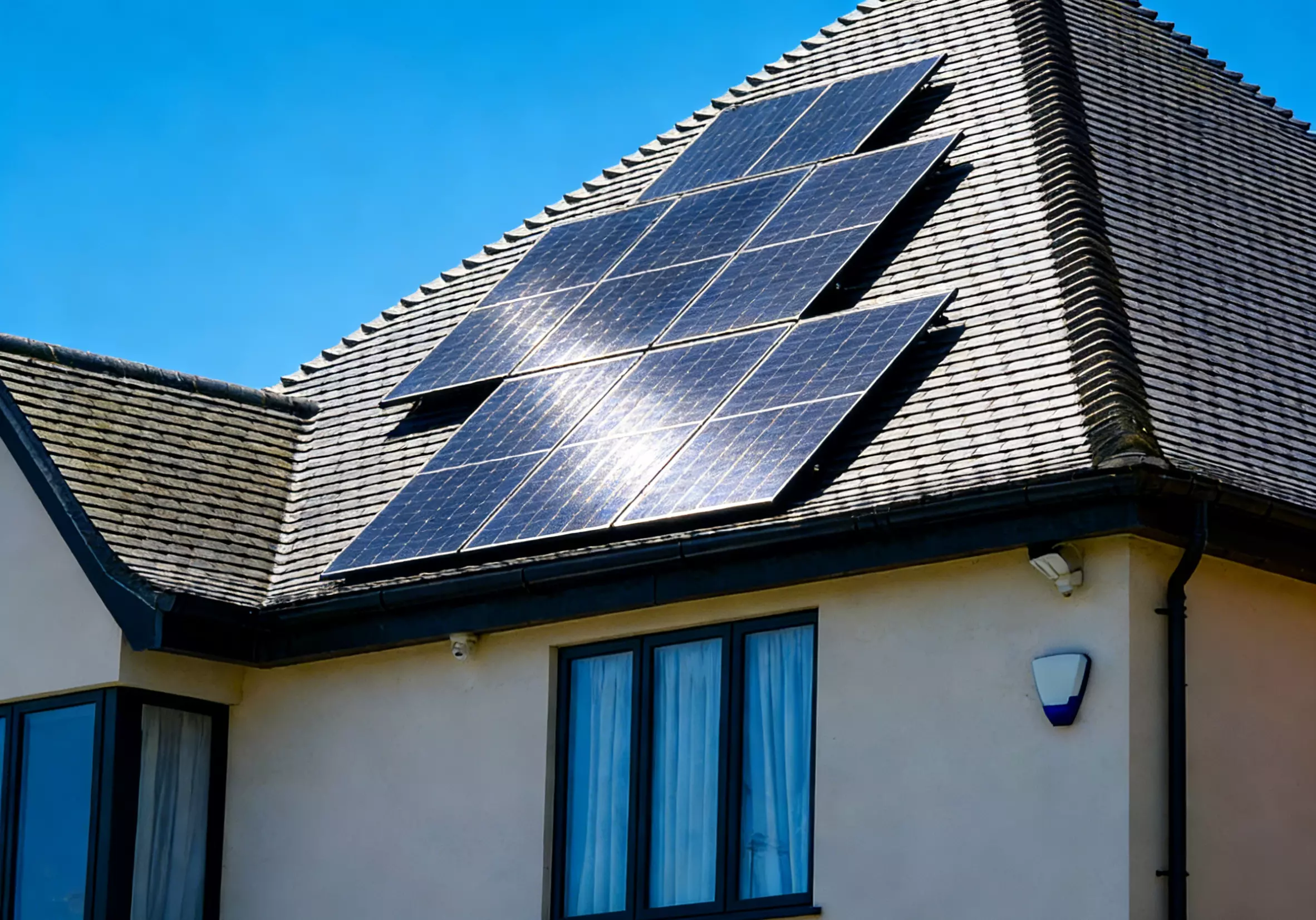
In a good word, these convertible PV containers are the protector of off-grid energy and mobile energy systems. Solar power generation and energy storage provide the utmost convenience and flexibility for energy on the go. It becomes, therefore, necessary to understand the energy efficiency measurement of these on-the-go systems for the purpose of maximum ROI and real-world performance.
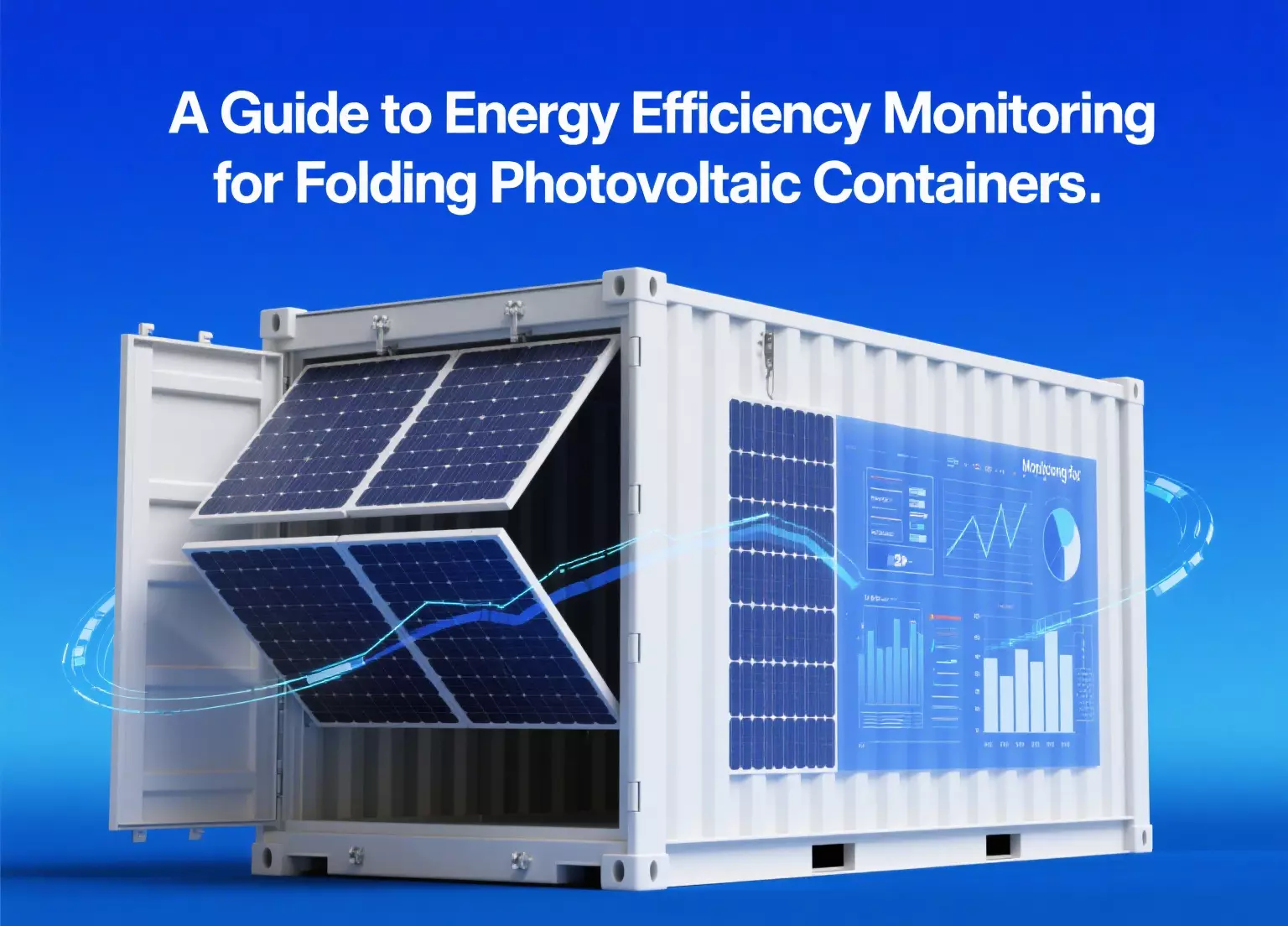
Foldable PV Container Fundamentals
Foldable PV containers offer the following components:
- High-efficiency solar panels: capture sunlight for conversion into electrical energy.
- Battery Energy Storage System (BESS): an energy store for later use during demand.
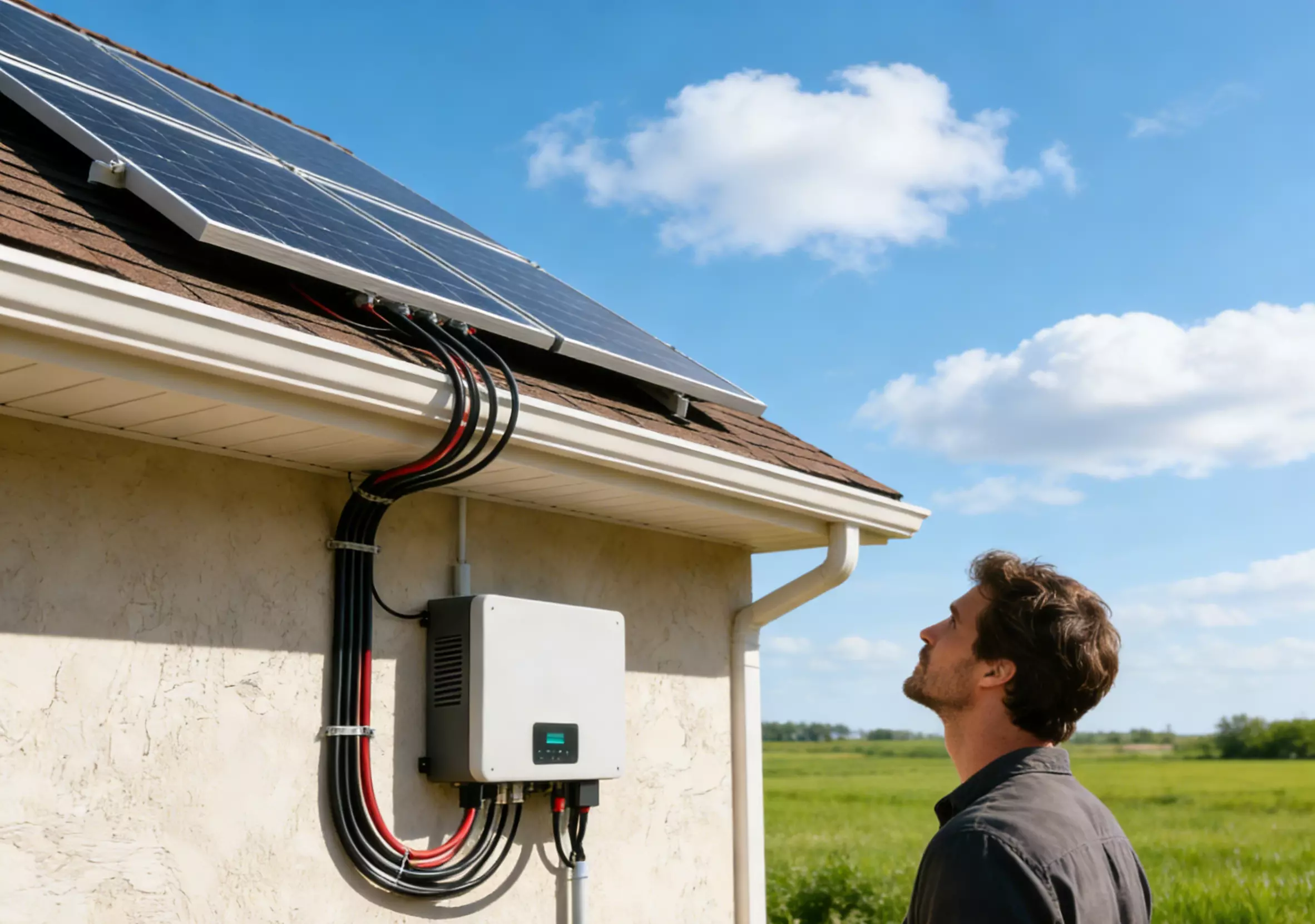
- Smart inverter and monitoring system: optimizes and controls power usage.
- Foldable and transportable container structure: easy to handle and set up.
Such systems would be ideal for remote building sites, disaster situations, temporary data centers, off-grid farms, or any circumstance where traditional grid access is lacking or unstable.
Why Monitoring Energy Efficiency Matters
Real energy efficiency monitoring can have the following benefits:
- Data-driven system calibration: calibrate system components according to actual data to maximize efficiency.
- Proactive maintenance and failure avoidance: identify potential problems in advance and avoid unscheduled downtime.
- Enhanced Return on Investment (ROI): Maximize return on investment by optimizing performance.
- Logical expansion and redeployment decisions: Make logical expansion or redeployment choices according to actual use.
In the absence of real-time and complete monitoring, field operators are exposed to the danger of inefficiency, loss of power, or unexpected failure.
Key Metrics for Evaluating Energy Efficiency
1. IV Curve Analysis of Solar Panels
Current-voltage (IV) curve measurement informs us regarding the performance of solar panels. The most important indicators are:
- Short-circuit current (Isc): Current when the panel is short-circuited.
- Open-circuit voltage (Voc): Voltage when the panel is open-circuited.
- Maximum power point current (Impp) and voltage (Vmpp): Current and voltage when the panel is generating the maximum power.
Newer testers like the HT I-V6002 can measure monofacial and bifacial panels. In folding systems, the test ensures that all the panels are functioning properly even under varying conditions.
2. Energy Storage System (ESS) Efficiency
Energy storage devices are important to facilitate a 24/7 power supply.
- Charge and discharge efficiency: Energy is lost when charging and discharging.
- Depth of discharge (DoD): How much the battery is depleted.
- Cycle life and degradation rate: How long the battery can last and how quickly the performance deteriorates.
- Self-discharge loss: The energy used by the battery itself.
Analysis methods include:
- Payback period calculation: How long would it take to recover the original investment in the form of power savings.
- Life Cycle Costing (LCC): Ascertain the cost-effectiveness of the system over its life.
- Environmental and Economic Value Modeling: Analyze using methods such as genetic algorithms.
3. Environmental Adaptability Testing
Foldable PV containers are typically applied in harsh environments. Tests include:
- Weathering tests: Resistance to high and low temperatures, humidity, dust, and UV.
- Thermal Management Evaluation: Battery insulation and cooling performance.
These tests ensure the system can operate stably in all kinds of environments, from the deserts to the tropical rainforests.
4. System Integration Performance
A well-integrated container system can bring overall performance improvement. Focus on:
- Matching efficiency of BESS and PV modules: How well the two work in tandem.
- Intelligent control systems: Real-time diagnostics, remote system monitoring, and automatic fault recovery.
- Software Integration: Load balancing and energy forecasting.
Advanced Energy Management Systems (EMS) can improve the synchronization between energy generation, consumption, and storage, leading to increased overall system efficiency.
Modern Methods of Energy Efficiency Testing
1. Field Testing
Benefits:
- Experience in the real world: See how the system is operating in the real world.
- Learn performance in a specific area: Weather and geographical conditions at different places may affect performance.
- Correct problems in location: Correct problems that might arise in a timely manner.
What operators can record:
- Daily production of power: Record how much power is generated every day.
- Battery charging and discharge: Record the battery charging and discharge cycle.
- Failures and outages: Record system downtime and failures.
2. Simulation-based Evaluation
Use digital twins or modelling software (e.g., PVsyst, HOMER) to simulate different environments and load conditions. Benefits of doing this are:
- Fast verification: Verify system performance before actual deployment.
- Optimize performance: Find the best operating mode.
- Predict failures: Pinpoint possible points of failure in advance.
3. Benchmarks
Compare your system to:
- Other container system brands: See how the competition's systems perform.
- Fixed solar + battery systems: Compare fixed installation performance.
- Grid-connected alternatives: Compare alternate grid connection options.
By comparing, you can help make a determination of whether you need to upgrade your product and where you can expand your competitiveness in the marketplace.
Emerging Trends: Smart Monitoring + AI + IoT
Foldable PV containers will be significantly dependent upon the following technologies in the future:
- AI diagnostics: foresee system anomalies in advance.
- IoT sensor networks: collect detailed operating data.
- Blockchain-enabled power trading: conduct decentralized energy audits.
These technologies will significantly improve energy efficiency and easy integration with microgrid and smart grid systems.
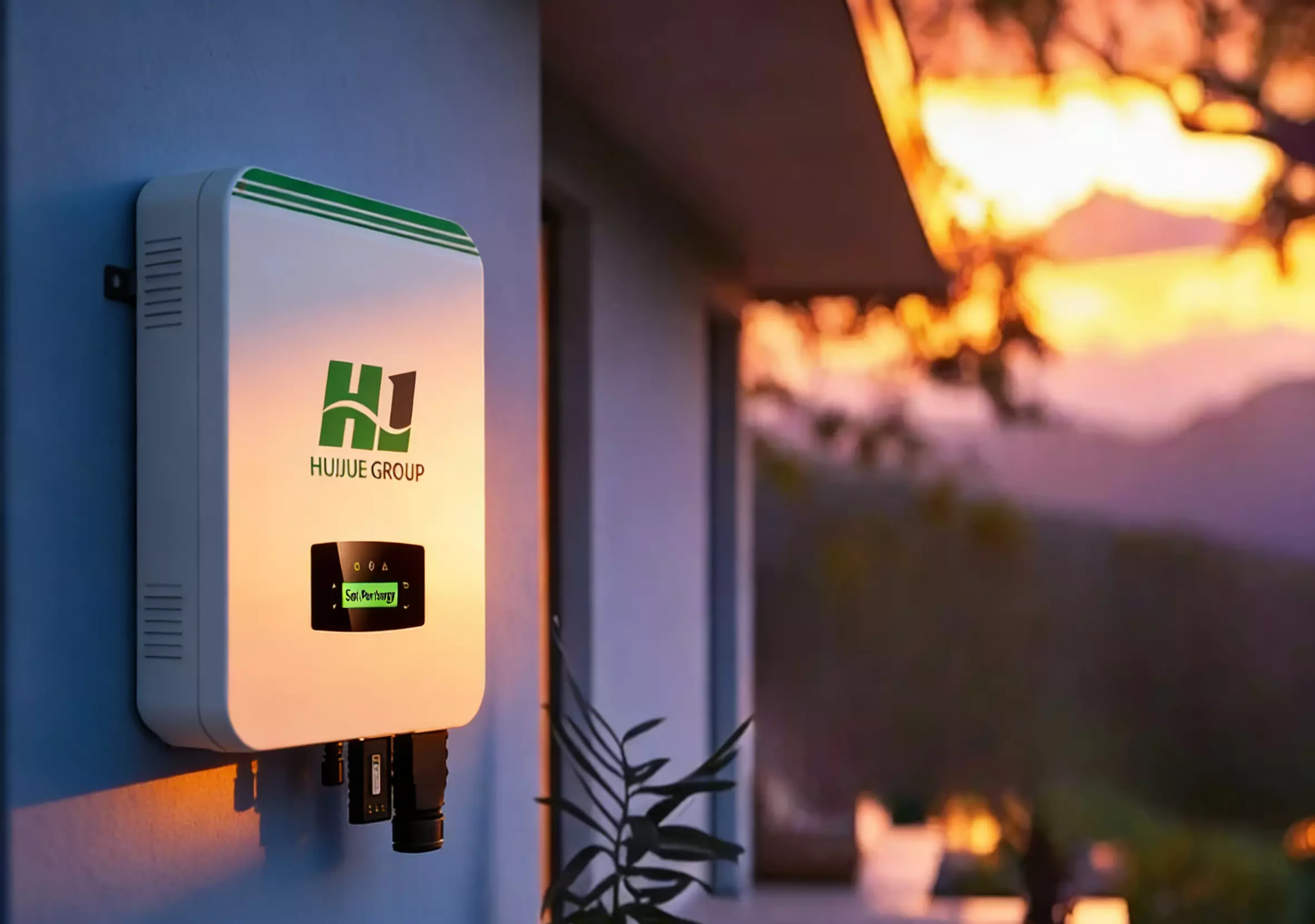
Case Study: Huijue Group Smart Foldable Solar Container
Huijue Group's foldable PV containers integrate the following advanced technologies:
- High-efficiency monocrystalline PV modules: bifacial N-type TOPCon.
- Energy storage system: 100kWh-500kWh capacity.
- Smart inverter and EMS: optimization of energy management and utilization.
- Plug-and-play modular design: quick deployment support.
Its unique features are:
- IP65 protection grade housing: excellent environmental performance.
- Smart monitoring dashboard: real-time monitoring of energy consumption.
- One-click expansion mechanism: 60-minute deployment.
Whether it's applied to telematics, mobile charging stations, or disaster relief, Huijue's portable solar containers represent an efficient, adaptable, and scalable green energy future.
Conclusion
Energy efficiency monitoring is both a technical requirement and a strategic advantage. With the right metrics, new tools, and smart system design, collapsible PV containers can provide economic as well as environmental gain. Join hands with forward-thinking partners like Huijue Group to render your mobile solar solutions efficient and sustainable to tackle the world's growing energy needs.
Explore Huijue Group's full range of mobile solar systems to unlock the possibilities for next-generation energy performance.