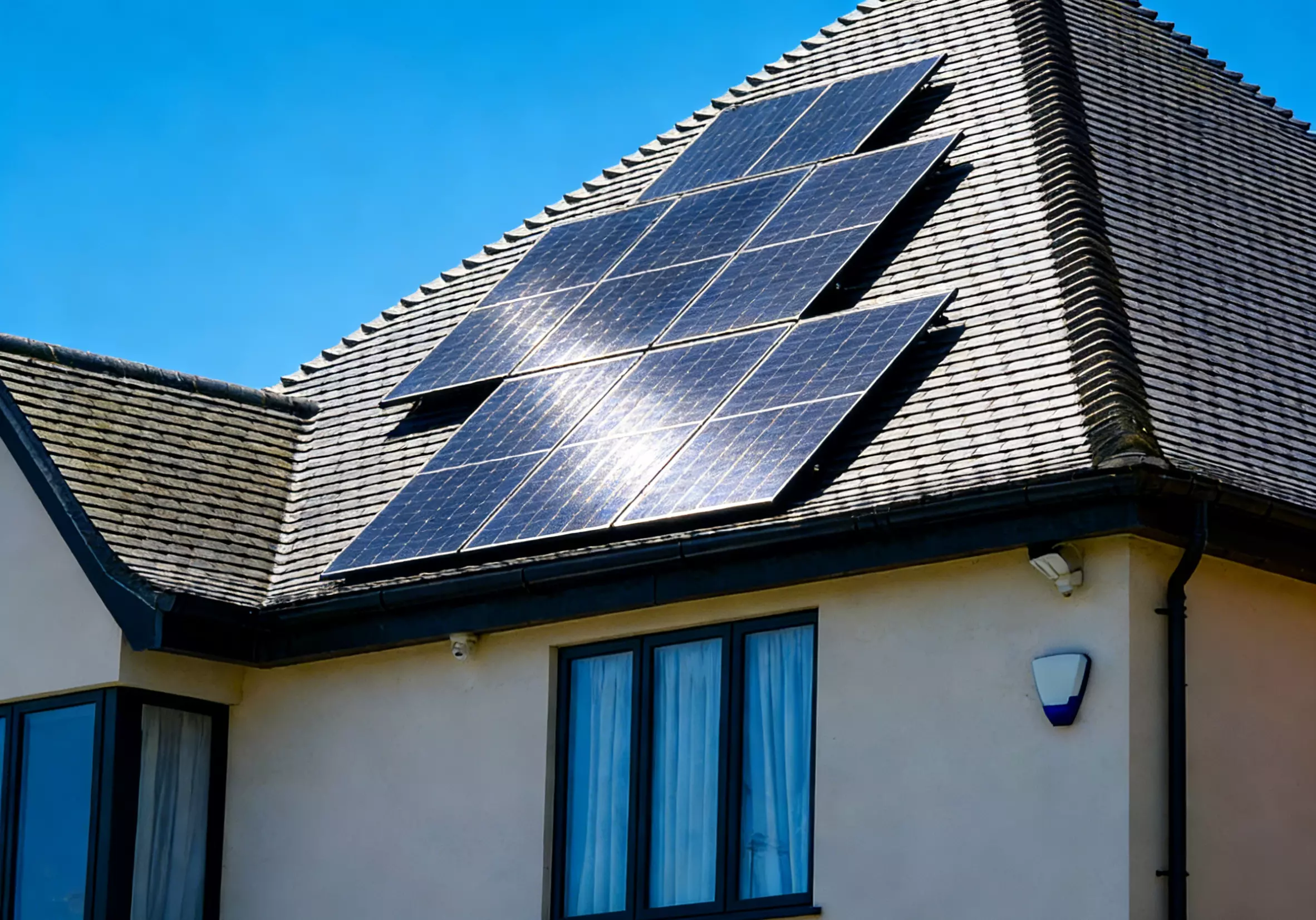
Saudi Arabia's "Vision 2030" is accelerating its industrial energy transformation, and solar energy has become a strategic choice for reducing operating costs and increasing energy independence. However, Saudi Arabia's extreme heat—summer temperatures often exceeding 50°C—constantly tests the core of solar systems: industrial inverters. Choosing the wrong equipment can mean continuous power loss, high maintenance costs, and even the failure of the entire system investment.
This guide, dispensing with empty theory, addresses the practical pain points of Saudi industrial customers, explaining how to choose a truly high-temperature-resistant, durable, and highly profitable industrial inverter by 2025.
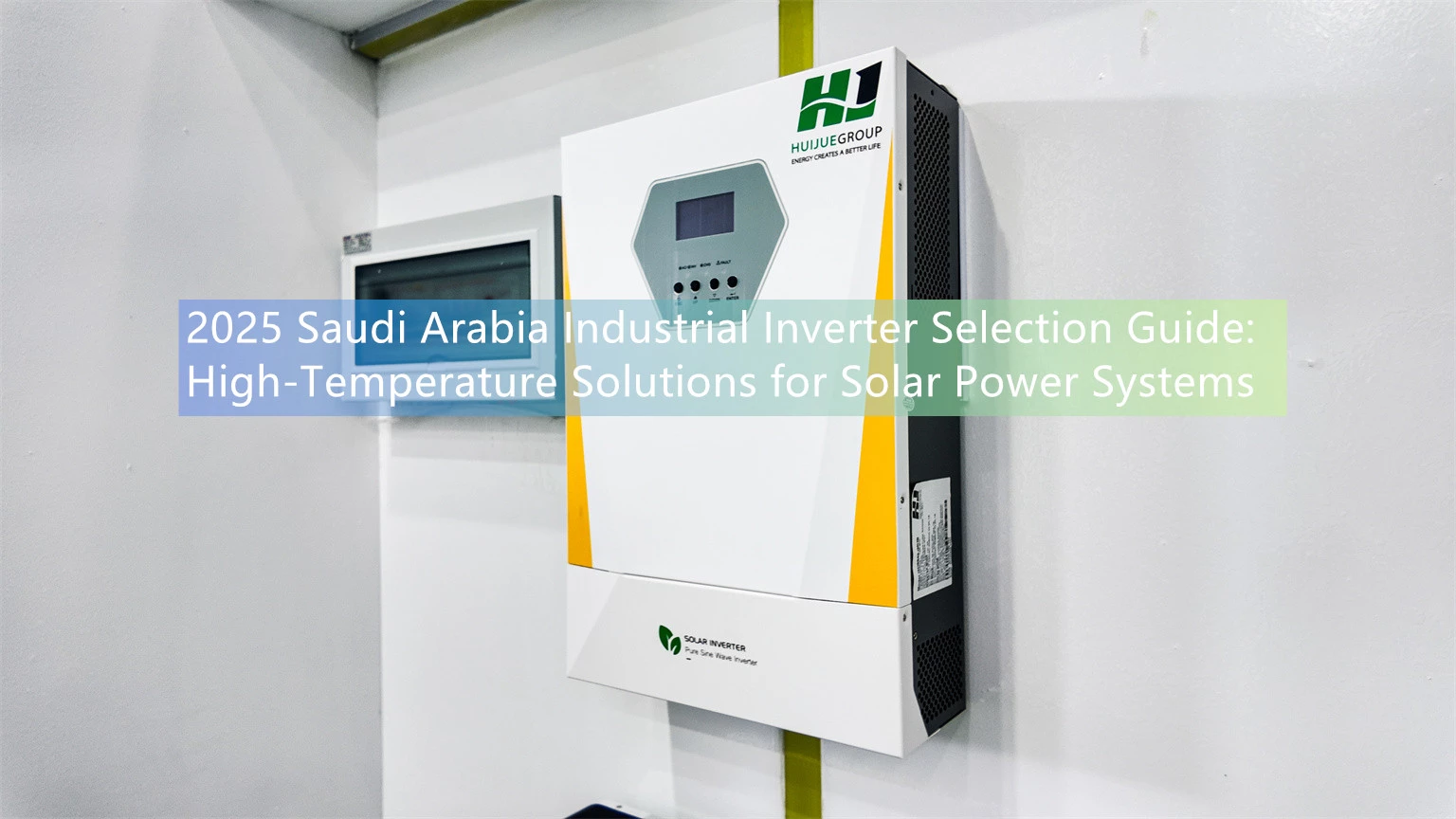
I. High Temperature Challenge: Why are Ordinary Inverters So Prone to Malfunction in Saudi Arabia?
Saudi Arabia's high temperatures aren't just about high ambient temperatures; they're also accompanied by intense dust and sand. This creates a double whammy for inverters:
- Accelerated aging of electronic components: Core components like internal capacitors and insulated-gate bipolar transistors experience exponentially reduced lifespans at high temperatures.
- "Hidden" Output Power Reduction: When the internal temperature exceeds a threshold, the inverter will proactively reduce its output power for self-protection. This happens during the hours of strongest sunlight, when power generation should be peaking.
- Overloaded Cooling System: Continuous high temperatures combined with dust blocking air ducts overload the cooling system, ultimately causing equipment to overheat and shut down.
Solution: You don't need a "general-purpose" inverter; you need a "high-temperature-enhanced" industrial inverter designed from the outset to withstand Saudi Arabia's extreme climate.
II. Core Selection Criteria: An In-Depth Analysis of Technical Parameters in 2025
When selecting an industrial inverter in Saudi Arabia, consider the following five points as your technical checklist:
- Wide Temperature Range and Intelligent Cooling Capability: Ensure the inverter can deliver full output in an ambient temperature of 50°C, with a maximum operating temperature of no less than 60°C. Prefer models with intelligent hybrid cooling (e.g., passive cooling + temperature-controlled fans), which are more energy-efficient and dust-resistant than traditional continuous high-speed fans.
- Highest Protection Rating: IP66 protection is the key to entry into the Saudi Arabian market. It means the equipment is completely dustproof and resistant to powerful water jets, making it suitable for sandstorms and on-site cleaning.
- Actual Efficiency at High Temperatures: Don't just rely on claims like "98.8% peak efficiency." Focus on the European weighted efficiency or its efficiency curve under partial load and high temperatures. The flatter the curve, the better the performance during the afternoon heat.
- Reasonable Capacity Ratio Design: It is recommended to set the DC/AC capacity ratio between 1.3 and 1.5. This effectively compensates for power loss caused by dust obscuration and high temperatures in the morning and evening, while the inverter's intelligent over-capacity management function prevents power waste.
- Modular Design: For industrial rooftops and complex sites, three-phase string inverters are rapidly replacing traditional centralized inverters due to their modularity. Their advantages include: single-unit failures do not affect the overall system, eliminating the risk of a "single point of failure." They can also better adapt to varying roof orientations and shading, maximizing overall power generation.
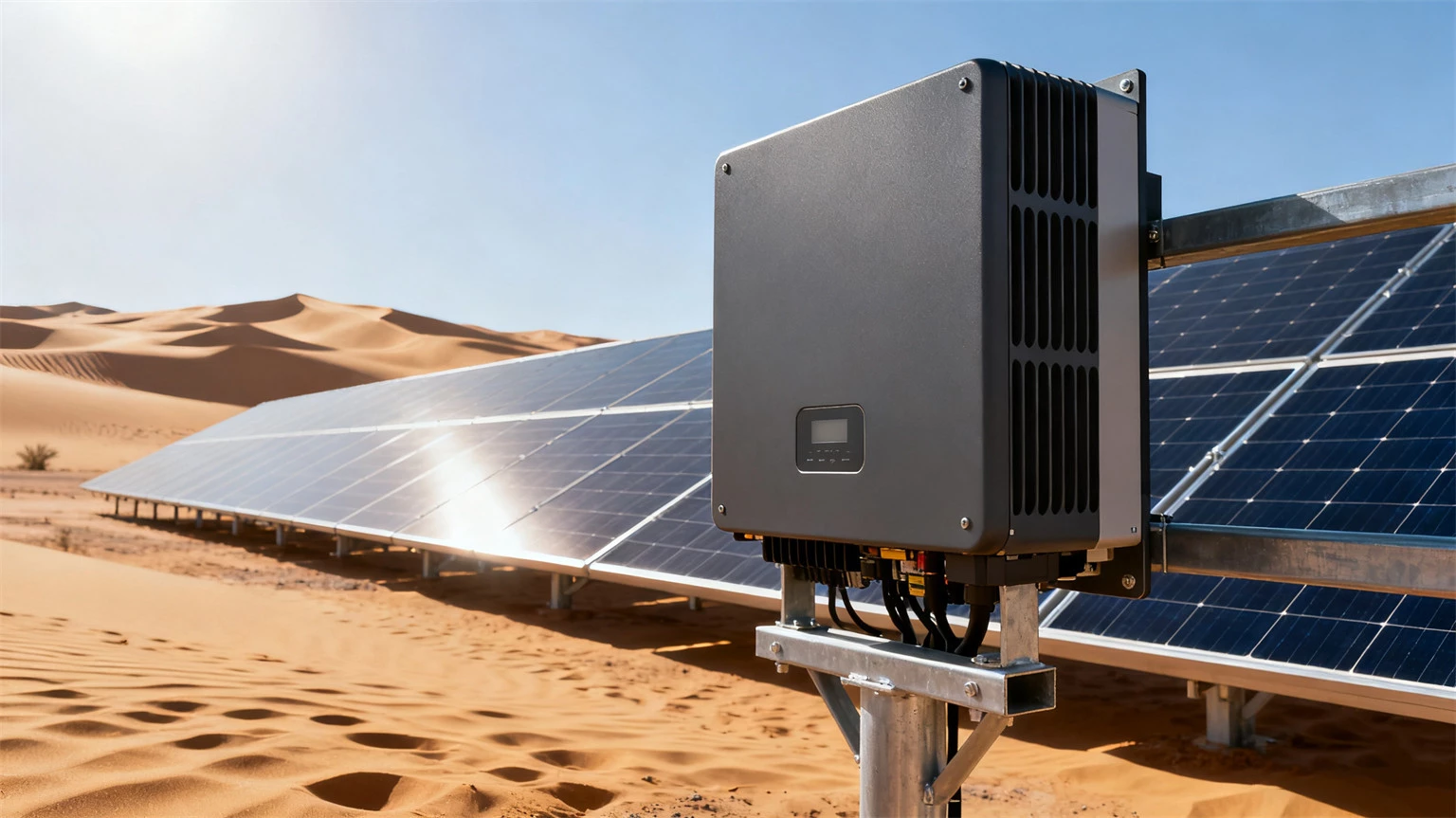
III. Product and Technology Recommendations: Why are string inverters preferred for high-temperature environments?
After comparing various technical approaches, we believe that high-performance string inverters are currently the optimal solution for most industrial applications in Saudi Arabia.
Practical Comparison: String vs. Centralized Inverters
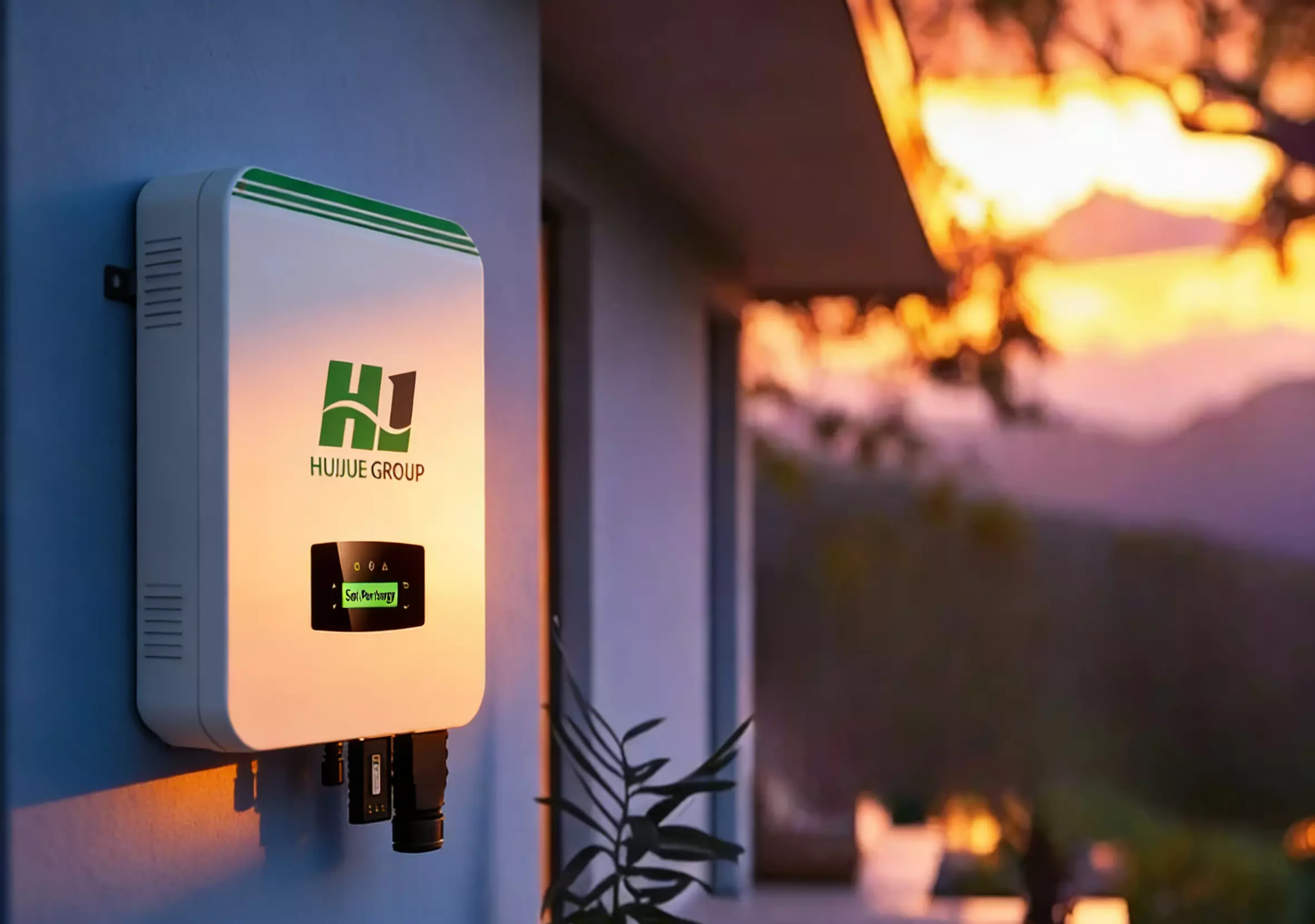
String inverters, such as the HuiJue H-Phase Industrial Series, utilize a distributed architecture. A single failure only impacts a portion of the system, while the rest of the system remains operational, making maintenance easy and risk-distributed.
Centralized inverters: As a "single point of failure," a single failure can cause a complete outage. Furthermore, at high temperatures, the low number of MPPTs leads to greater efficiency losses due to component mismatch.
Solution Details: How does the HuiJue H-Phase Industrial Series handle high temperatures?
Designed specifically for the Middle Eastern climate, its core advantages include:
- High-Temperature Operation: Continuous full output without power derating in ambient temperatures up to 60°C.
- Fully Sealed: IP66-rated for indestructible protection, resistant to wind and sand erosion.
- Intelligent Operation and Maintenance: Built-in I-V curve scanning diagnostics enable remote and accurate identification of string faults, dust accumulation, and other issues, significantly reducing on-site inspection costs.
IV. 2025 Return on Investment Analysis: Costs, Subsidies, and Benefits Evidence
Using a 500kW industrial plant project as an example, we present a transparent 2025 cost structure.
| Project | Estimated Cost (USD) | Description |
|---|---|---|
| High-Temperature String Inverter | $35,000 - $50,000 | Approximately 20 25kW units. High-end models are known for excellent heat dissipation and a long warranty. |
| Solar Panels (500kW) | $90,000 - $120,000 | |
| Mounting and System Support | $40,000 - $60,000 | |
| Design, Installation, and Construction | $25,000 - $40,000 | |
| Total System Investment | $190,000 - $270,000 |
Return on Investment Analysis Under Vision 2030 Subsidies:
- Core Benefit: From electricity cost savings. Industrial electricity costs in Saudi Arabia are approximately $0.048 - $0.080 per kWh.
- Annual Power Generation: A 500kW system generates approximately 850,000 - 950,000 kWh annually.
- Annual Power Savings: Approximately $40,800 - $76,000/year.
- Payback Period: After utilizing Vision 2030 renewable energy subsidies, the simple payback period can be shortened to 3-5 years. The system has a lifespan of over 25 years, generating net profits for over a decade thereafter.
V.Case Study: Riyadh Steel Plant's Green Power Transformation
Client: Al-Tayyar Steel Fabrication Co.
Location: Riyadh Industrial City, Saudi Arabia
Date: Second Quarter of 2023
Challenge: Provide stable power for workshop air conditioning and production equipment, curb high electricity costs, and ensure absolute system reliability in hot and dusty environments.
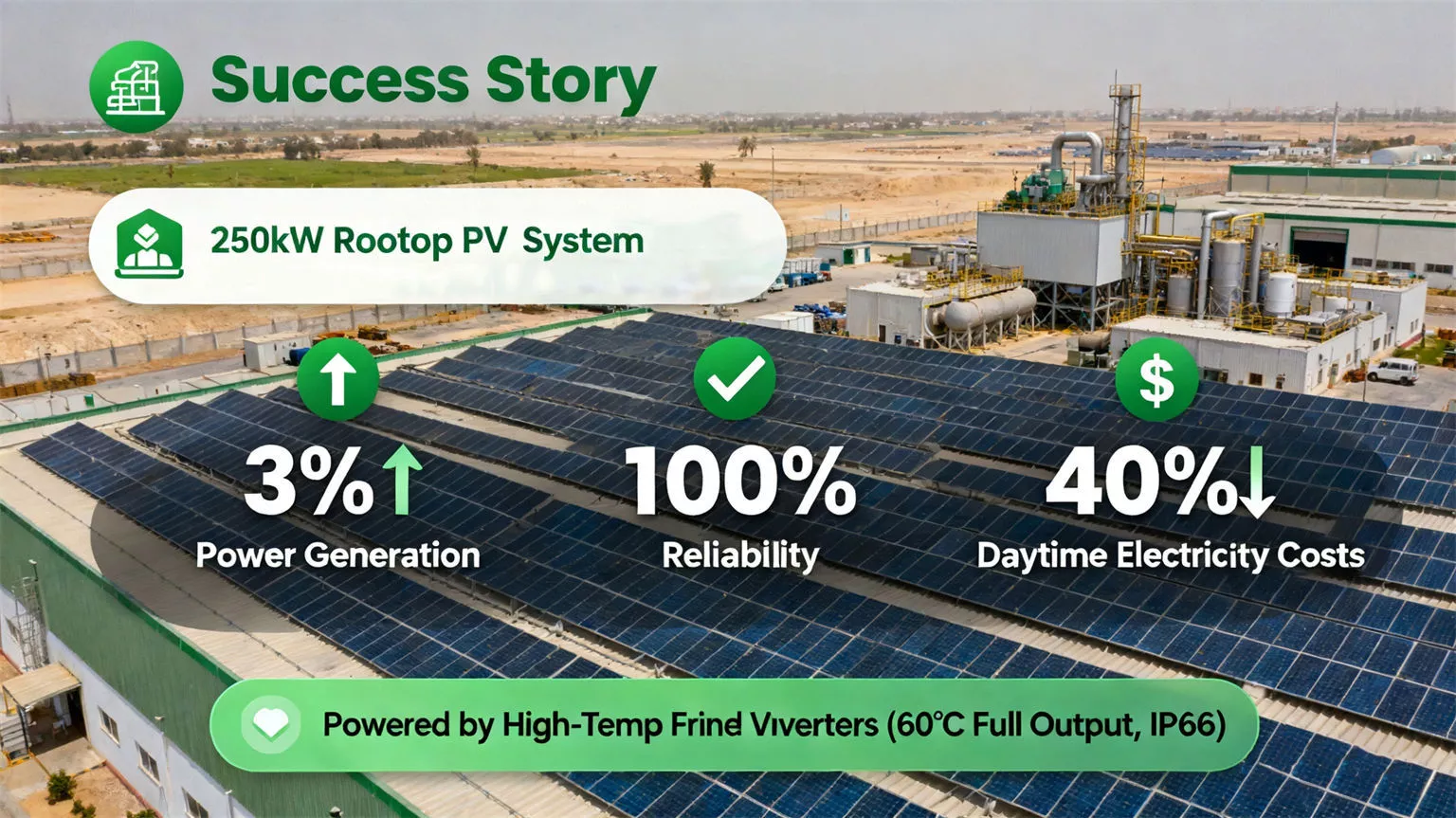
Solution: Deploy a 250kW rooftop PV array using high-temperature three-phase string inverters (technical requirements: full output at 60°C, IP66 protection).
Results (as of Q1 2025):
- Power Generation Exceeded Expectations: Actual power generation exceeded design values by 3%, thanks to the inverter's excellent high-temperature performance, resulting in virtually no power derating.
- 100% Reliability: In nearly two years of operation, the inverter has achieved zero downtime due to faults.
- Significant Economic Benefits: Daytime operating electricity costs decreased by 40%.
VI. After-Sales Guarantee: Your Long-Term Profit Safeguard
In Saudi Arabia, inverter brands without local support are a high-risk choice. Please ensure your supplier provides:
- 24/7 remote monitoring and rapid response: Emergency on-site support is guaranteed within 24-48 hours.
- Extended Warranty: Standard 10-year warranty, extendable to 15 or 25 years.
- Local Spare Parts Inventory: Core spare parts are stocked within Saudi Arabia to minimize downtime.
Conclusion
Investing in industrial solar in Saudi Arabia means choosing a reliable partner that can withstand decades of intense heat and sandstorms. By focusing on four key pillars: wide operating temperature range, intelligent heat dissipation, fully sealed protection, and local service, your investment will not only survive every scorching summer, but also reap financial returns far exceeding expectations.
Act now to get a customized solution for your project!
Appendix: FAQ
Q1: How does high temperature specifically damage an inverter?
A: Heat primarily attacks electrolytic capacitors (causing them to dry out and fail) and power semiconductors (increasing on-resistance, generating more heat), creating a vicious cycle that ultimately leads to thermal runaway.
Q2: How do I apply for Vision 2030 subsidies?
A: Subsidy policies are typically implemented through relevant government agencies. We recommend selecting a system integrator with extensive local experience; they can assist you through the tedious application process and ensure the subsidy is received.
Q3: What is the lifespan of a high-quality industrial inverter system in Saudi Arabia?
A: With proper design, proper installation, and proper maintenance, the inverter itself can reach a lifespan of 10-15 years, and the entire PV system can have an operational lifespan of over 25 years.
Q4: Can I mix inverters from different brands?
A: Strongly discouraged. This will lead to many problems such as monitoring confusion, compatibility risks, unclear maintenance responsibilities, etc. Choosing a unified brand and model for a project is the only wise choice.