In the international strength transition, grid-scale batteries are regularly shifting from a aiding function to core stage.
They are now not solely a core aspect in balancing electrical energy provide and demand, but additionally a key science for attaining large-scale grid connection of renewable strength and making sure the secure operation of the electricity grid. Currently, funding and building of grid-scale electricity storage tasks are hastily growing in China, Europe, and North America.
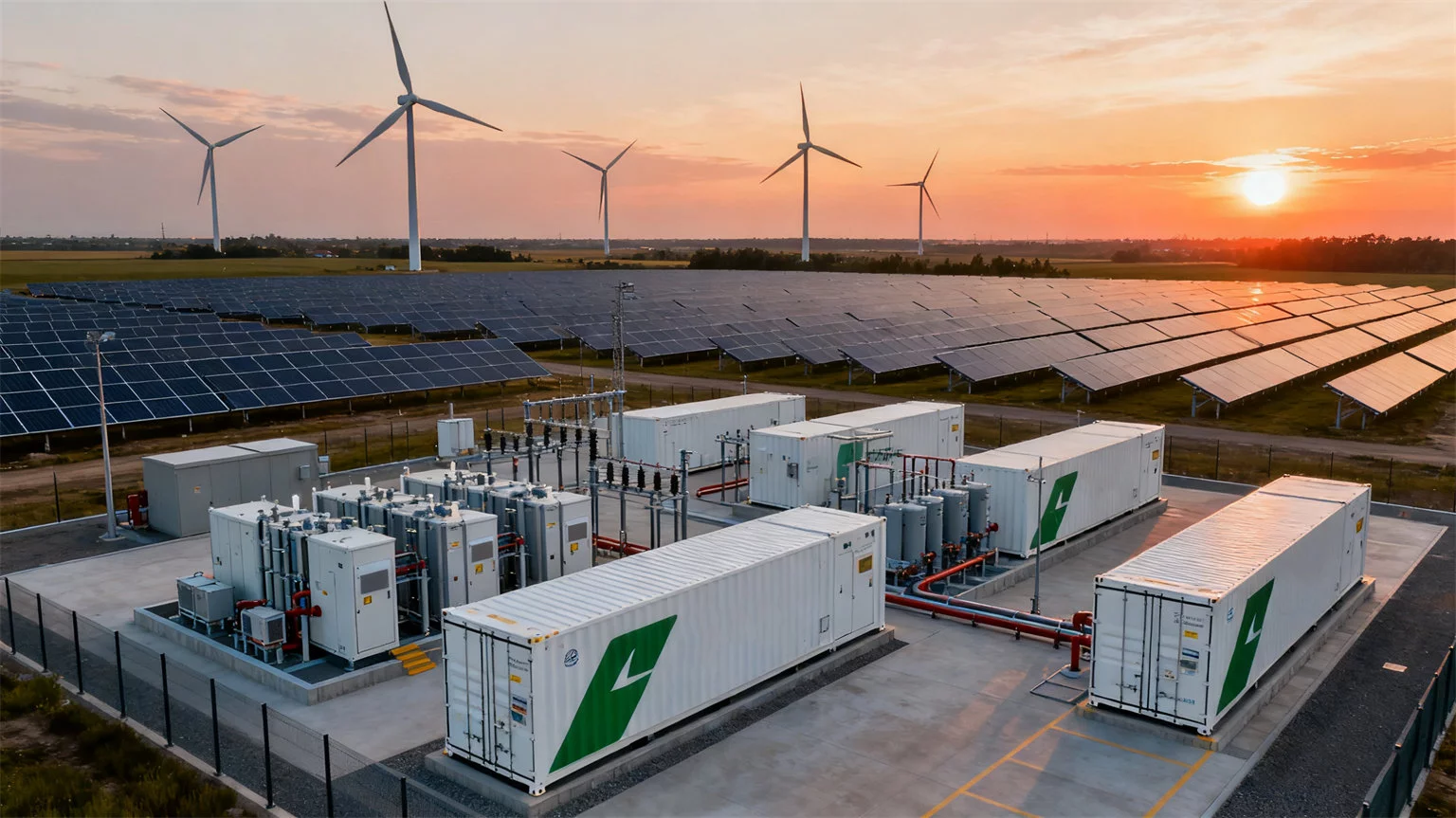
I. The "Essential Need" of Energy Storage Under Changing Energy Structures
In the past, thermal power and nuclear power constituted the "stabilizing foundation" of the power system. However, with the rapid increase in the installed capacity of photovoltaic and wind power, the energy system has begun to experience "fluctuation problems."
For example: During the day, when there is plenty of sunshine, photovoltaic power generation surges; at night or in windless weather, power generation drops sharply; while electricity demand is concentrated during peak hours in the morning and evening.
This means that renewable energy generation and electricity demand often "off-peak."
Without an effective energy storage system to balance power fluctuations, the phenomenon of "curtailment" of solar and wind power will occur, even leading to negative electricity prices—that is, power generators have to "pay" the grid to accept excess electricity. Against this backdrop, grid-scale energy storage systems have emerged. They can "store" electricity when prices are low and "discharge" it when prices are high, achieving not only supply and demand balance but also enabling true "on-demand" energy allocation, significantly improving grid operating efficiency.
II. The Economic Logic of Grid-Scale Energy Storage: From Cost to Benefit
Energy storage is not only a guarantee of energy security but also a "precise business."
The economic model of grid-scale batteries can be simply understood as "buying low and selling high":
Absorbing energy when there is a surplus of electricity and prices are low;
Releasing it during peak electricity demand and when prices are high.
Data shows that in mature markets, energy storage operators derive approximately 30% to 50% of their revenue from electricity price arbitrage, with the remaining portion coming from providing grid ancillary services (such as frequency regulation and voltage support).
In Canada, the UK, and other regions, the internal rate of return (IRR) of some energy storage projects has reached 20%-30%, demonstrating strong profit potential.
Furthermore, battery energy storage projects can participate in carbon trading and virtual power plant dispatch, thereby obtaining greater commercial returns within the green energy system. In the future, with the improvement of market mechanisms, energy storage will no longer be just a "power tool," but an important asset in energy finance.
III. Technological Breakthroughs Drive Rapid Popularization of Energy Storage
Technologically, lithium batteries are still the major choice for energy storage at the grid scale.
Among others, lithium iron phosphate (LiFePO₄) batteries have been the main choice for energy storage projects in all parts of the world because they are the safest, have the longest life span, and are the least expensive. A report by Bloomberg New Energy Finance (BNEF) says that the price of grid-scale energy storage systems has come down by over 60% in the last five years, which encourages the growth of global energy storage installations without interruption. Moreover, the companies are competing for the production of larger batteries with longer cycles.
For instance, energy storage cells with a capacity of 700Ah and even 800Ah are the subject of fierce competition between the firms.
These advancements in technology not only increase the power of a system but also cut electricity cost (LCOS) thus the energy storage is more financially competitive.
New energy storage technologies such as flow batteries and sodium-ion batteries will eventually lead to the long-term storage of renewables which would be a major factor in the replacement of fossil fuels by renewables and the implementation of '24/7 green electricity supply'.
IV. From Project to System: Building an Intelligent Energy Storage Ecosystem
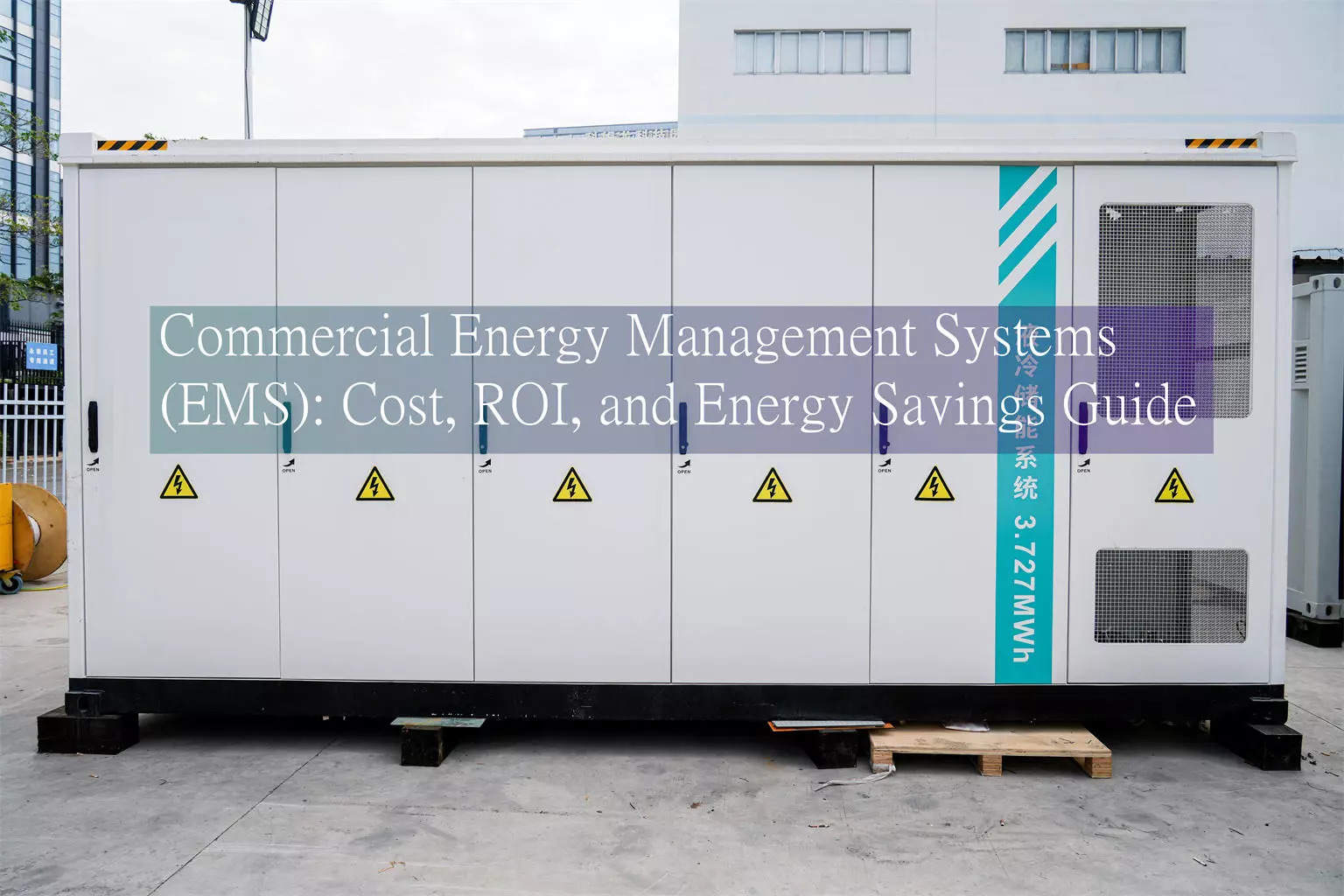
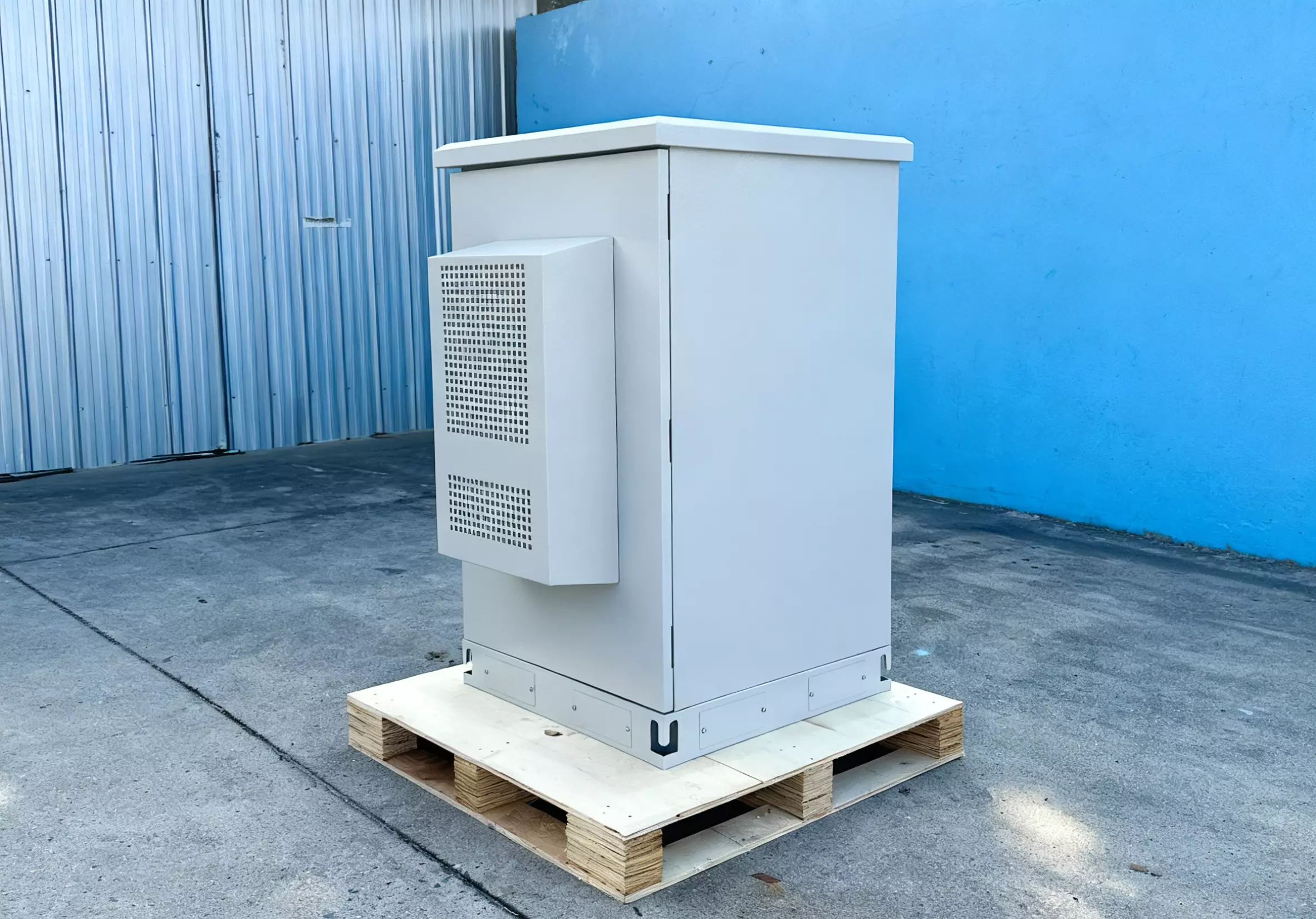
In the past, grid-scale energy storage meant just "battery stack," but presently it is an intelligent energy storage system that incorporates different modules like an Energy Management System (EMS), temperature regulation, fire protection, and security monitoring.
In this setup, the EMS is considered the "smart brain," that is, it changes the energy storage strategies automatically according to variables like electricity prices, demand and weather forecast to get the best energy dispatch and thus the highest returns.
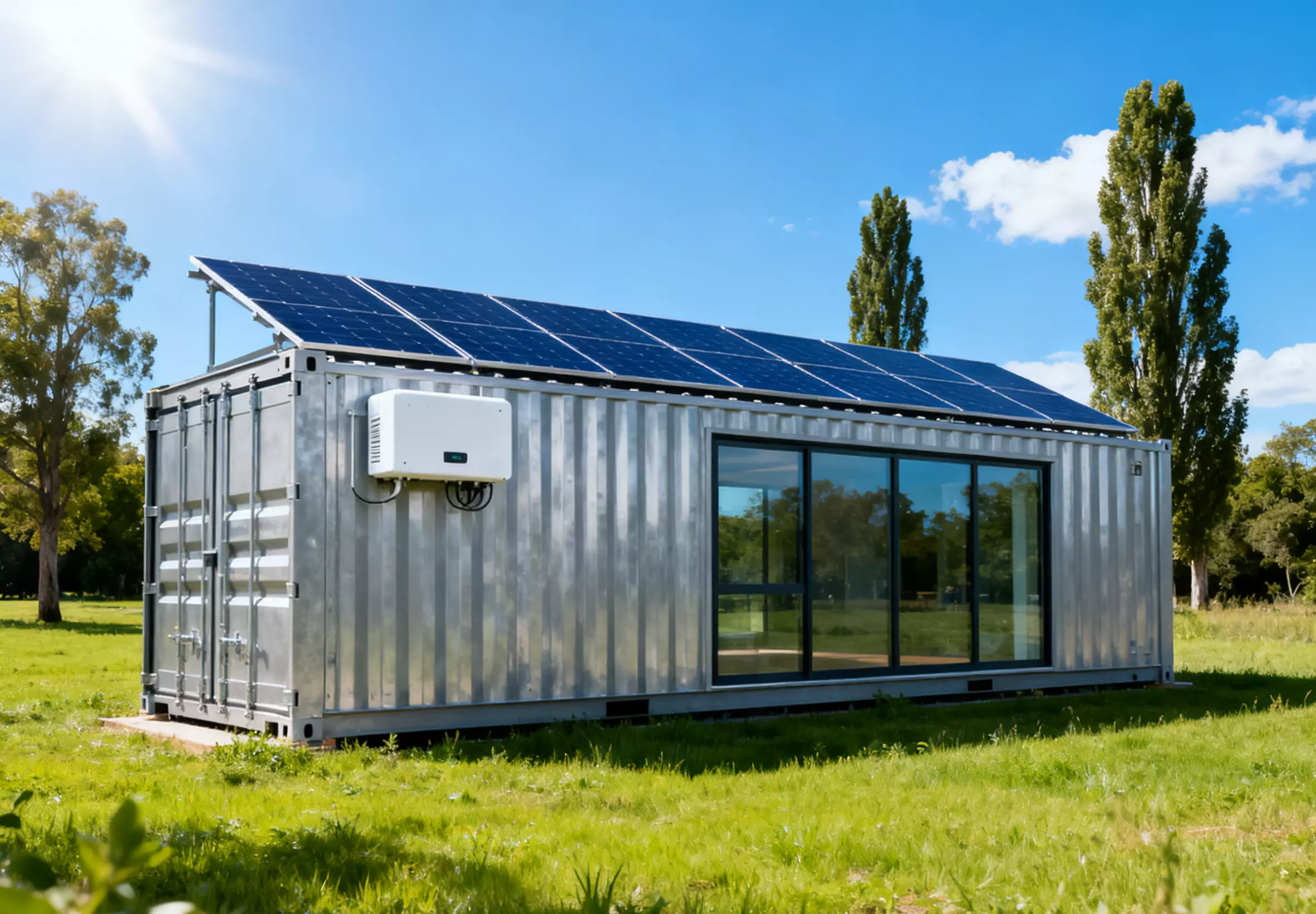
Among the leading companies, Huijue Group is one that is dedicated to providing integrated grid-scale energy storage solutions. Their technology involves high-safety lithium iron phosphate batteries, smart EMS, fire protection, and temperature control systems integrated together, thus making them suitable for a vast range of applications such as photovoltaic-storage integrated power plants, industrial and commercial parks, microgrids, and grid peak shaving and frequency regulation projects.
The very high degree of integration in the design not only leads to an overall increase in the energy efficiency and safety of the projects but also causes a considerable reduction in the installation time cycle and a decrease in the operation and maintenance costs.
V. Energy Storage: Making the Energy System More Stable, Greener, and Smarter
From supply and demand balancing to economic arbitrage, from lithium battery technology to intelligent systems, grid-scale battery energy storage is becoming a key component of the energy transition.
In the future, with improved policies and further cost reductions, energy storage will not only be an "auxiliary device" for the power system, but also a "new type of energy hub" connecting production and consumption, and green energy and the economy.
In the global wave of the "zero-carbon" era, companies that take the lead in deploying the energy storage industry will gain the initiative in the energy transition.
If you are also looking for a highly safe and efficient grid-scale energy storage system, welcome to learn about Hj Group's energy storage solutions.
We are committed to providing global customers with integrated product services from battery cells to systems, helping green energy enter the future more stably and intelligently.