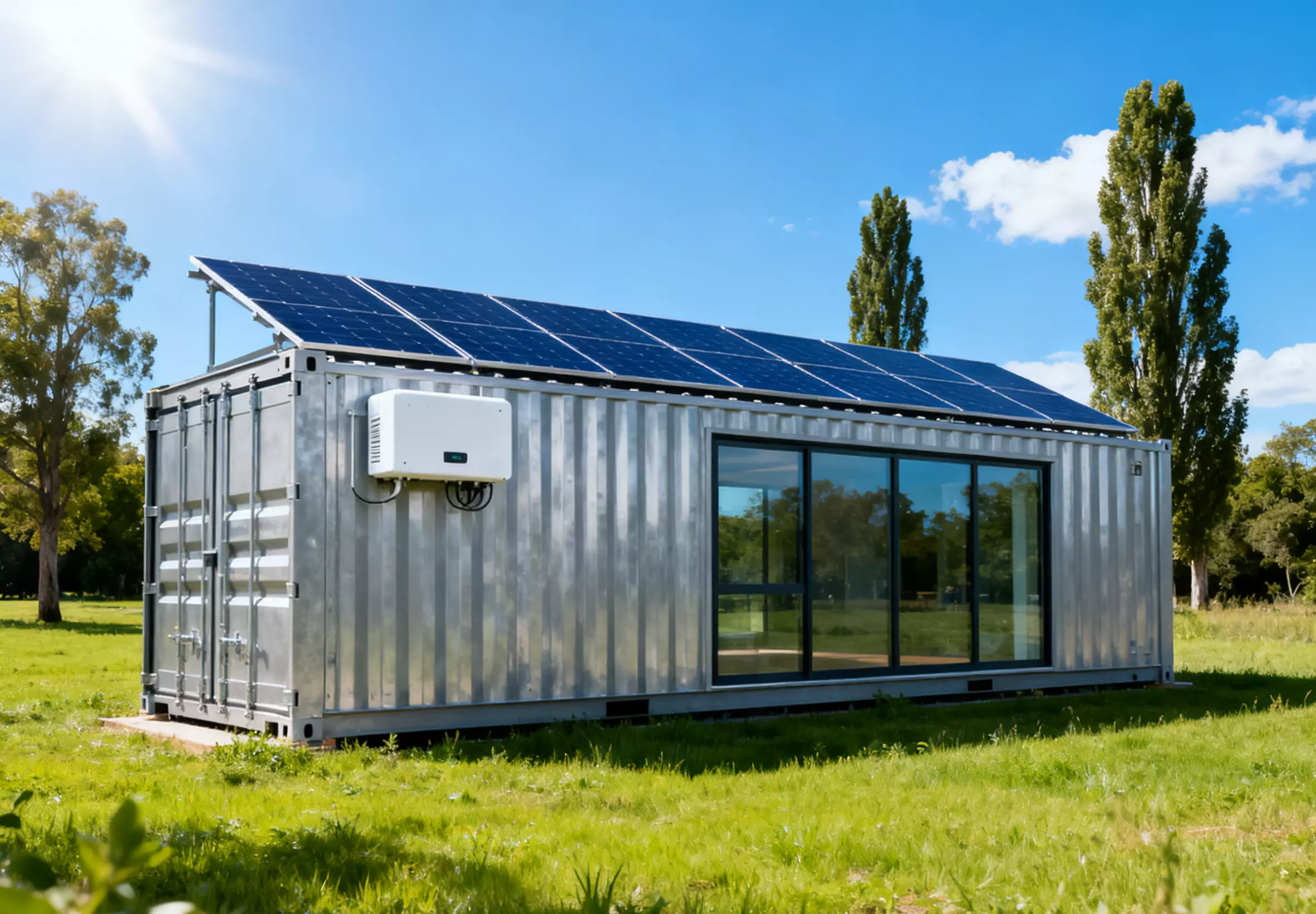
In current years, container properties have become a famous choice for house owners and traders due to their environmentally friendly, flexible, and low-priced features. For those who do not choose to be restrained by the house or budget of regular housing, photovoltaic container houses not solely provide an innovative residing answer but also reap authentic strength effectivity and unbiased energy grant by using combining solar power with strength storage systems. So, how much will it cost to build a container domestic in 2025? This article affords a precise analysis.
Overall Cost Range of Container Homes
According to market data, the charge per rectangular foot of a container domestic commonly stages from $150 to $350 per rectangular foot, comparable to prefabricated houses but normally decrease than normal modular homes.
This distinction specifically stems from variations in the measurement of the home, the quantity of containers used, the constructing materials, and the indoors finishes.For example, a easy container studio may value much less than $20,000, whilst a solar container domestic whole with a dwelling room, kitchen, and bedrooms should fee hundreds of heaps of dollars.
Factors Affecting the Price of a Container Home
The cost of building a container home is influenced by several factors:
Size and Structure
Standard containers come only in 10-, 20-, and 40-foot sizes. It is thus common to use more than one container to allow for more space. Larger homes require the use of many containers and supporting structures and thereby they cost more.
Conversion and Renovation Materials
While a container can go for anywhere from $1,200 through $10,000, the evolving requirement for the electrical, plumbing, insulation, and finishing materials for the conversion to a living area is what hits the real price tag. Isn't it just the simple finishes-and-high-grade-laminate, eco-friendly paints, and floor-to-ceiling windows that push the budget?
Labor and Professional Services
Construction requires about all the professionals, architects, contractors, electricians, plumbers—their fees typically take a large chunk of the budget. An architect, for instance, will charge from $125 to $250 per hour, while a general contractor will charge from 10% to 20% of the total cost.
Land Preparation and Infrastructure
Clearing and leveling the land and laying down the infrastructure for the installation of the home are also big-ticket items. A foundation would be boned up from $5 to $37 per square foot, while land clearing can cost thousands of dollars.
Additional Permits and Insurance
Regional policies might also have an effect on whether or not you can construct a container home. The common fee of acquiring a permit is about $1,380. Furthermore, due to the special shape of container homes, insurance plan alternatives are exceedingly limited, so it is vital to seek advice from with nearby insurers in advance.
Different Types of Container Homes
Based on their plan and building methods, container properties are greatly categorised as prefabricated and customizable:
- Prefabricated PV container homes: These cost between $150 and $300 per square foot and commonly come with a standard design and some fixtures. They have a speedy building duration and are appropriate for households searching for a within your means and realistic solution.
- Customized photovoltaic container homes: These are more expensive, costing about $250 to $400 per square foot, and can be personalized to the owner's specifications, with points such as multi-story construction, floor-to-ceiling glass walls, and even swimming pools.
The choice depends on budget and residing needs. For a holiday domestic or transient residence, a prefabricated mannequin is sufficient, however for those in search of a special and inexperienced home, a customized alternative is recommended.
Solar and Energy Storage Systems: The Upgrade Path for Container Homes
By 2025, greater house owners will contain a solar electricity system and strength storage cupboards into their solar container houses to enhance electricity self-sufficiency and residing comfort.
- A fundamental off-grid system: 5 kW photovoltaic electricity technology + 10 kWh battery, expenses about $12,000–18,000.
- A mid-range system: 10 kW PV + 20 kWh battery, costing about $20,000–30,000.
- A high-end clever system: 15–20 kW PV + 40 kWh battery, priced between $35,000–55,000, is adequate to electricity the whole domestic and cost an electric powered vehicle.
By combining power storage cabinets, house owners can not solely keep electrical energy for the duration of the day for use at night, however additionally efficaciously mitigate grid fluctuations and limit long-term electricity costs. This answer is specially beneficial in far-flung areas or areas with excessive electricity prices.
How to Reduce the Cost of Building a Container Home?
While container homes are more economical than traditional homes, there are still some tips for optimizing your budget:
- Choose used containers to reduce material costs;
- Use prefabricated homes to save on labor and time;
- Select cost-effective materials for interior design and furnishings;
- Avoid overdesigning and plan the size and functionality of the home according to actual needs.
Summary and Outlook
Overall, the cost of building a container home in 2025 will range from tens of thousands of dollars to hundreds of thousands of dollars, depending on the size, finish, and whether or not solar and energy storage systems are included. PV container homes offer not only price flexibility but also environmental protection, energy saving, and personalization in comparison to traditional homes.
For individuals who seek long-term living comfort and energy independence, having a container house equipped with energy storage cabinets and a smart energy management system is definitely a comfort-versus-return-on-investment-balanced option.
If you're going to build a photovoltaic container home or would like to explore the application of energy storage systems in your home, our experts can provide you with customized solutions. We will help you with everything from design and installation to operations and maintenance so that you can make your home a truly green, smart, and sustainable one.