When selecting an outdoor cabinet, the IP ranking is a key consideration, mainly when thinking about IP55 and IP56. While the distinction might also appear like a single number, there are giant variations in safety overall performance and utility scenarios. Today, we will take a nearer appear at the variations between the two and see how Huijue Group's outdoor telecom cupboards meet the wants of special environments.
1. What is an IP rating?
The IP (Ingress Protection) rating, described through the global preferred IEC 60529, measures the safety furnished by means of a gadget enclosure in opposition to stable objects (such as dust) and beverages (such as water).
The IP ranking consists of two digits:
- The first digit represents the degree of dirt protection, ranging from 0 to 6, with greater numbers indicating higher dirt protection. 6 suggests whole dirt protection, with no dangerous deposits inside.
- The second digit represents the degree of water resistance, ranging from 0 to 9, with greater numbers indicating increased water resistance. 5 suggests safety towards low-pressure water jets; 6 suggests safety in opposition to high-pressure water jets.
For example:
- IP55 suggests safety in opposition to dirt and low-pressure water jets;
- IP56 suggests safety towards dirt and high-pressure water jets. This capability that an IP56 ranking affords a greater stage of safety in opposition to heavy rainfall, high-pressure washing, or humid coastal environments.
2. The Main Differences Between IP55 and IP56
| Item | IP55 | IP56 |
|---|---|---|
| Dust protection | Dust is blocked; no inner harmful deposits | Same as IP55 |
| Water protection | Low-pressure water jets protection | Protected against high-pressure water jets; stronger protection |
| Typical application | General outdoor or semi-outdoor locations | Harsh weather, coastal, high-humidity or heavy-rain environments |
| Cost | Relatively lower | Slightly higher but more durable |
Simply put, if your communications cabinet installation environment is relatively mild, IP55 is adequate. However, if the cabinet will be exposed to heavy rain, strong winds, or coastal salt spray for extended periods, IP56 is a more reliable option.
3. Recommended Selection Guidelines for Different Application Scenarios
IP55 cabinets are commonly used in:
- Communication network nodes in urban or suburban areas;
- Streetlight control systems;
- Outdoor surveillance equipment;
- Semi-enclosed areas with only occasional water contact.
IP56 cabinets are more suitable for:
- Coastal or high-humidity areas;
- Areas subject to frequent heavy rain or industrial washdowns;
- Construction sites and high-pressure water cleaning applications;
- Communication, energy, or transportation facilities in harsh climates.
4. Huijue Outdoor Telecom Cabinets: High-Standard Protection, Protecting the Core of Communications
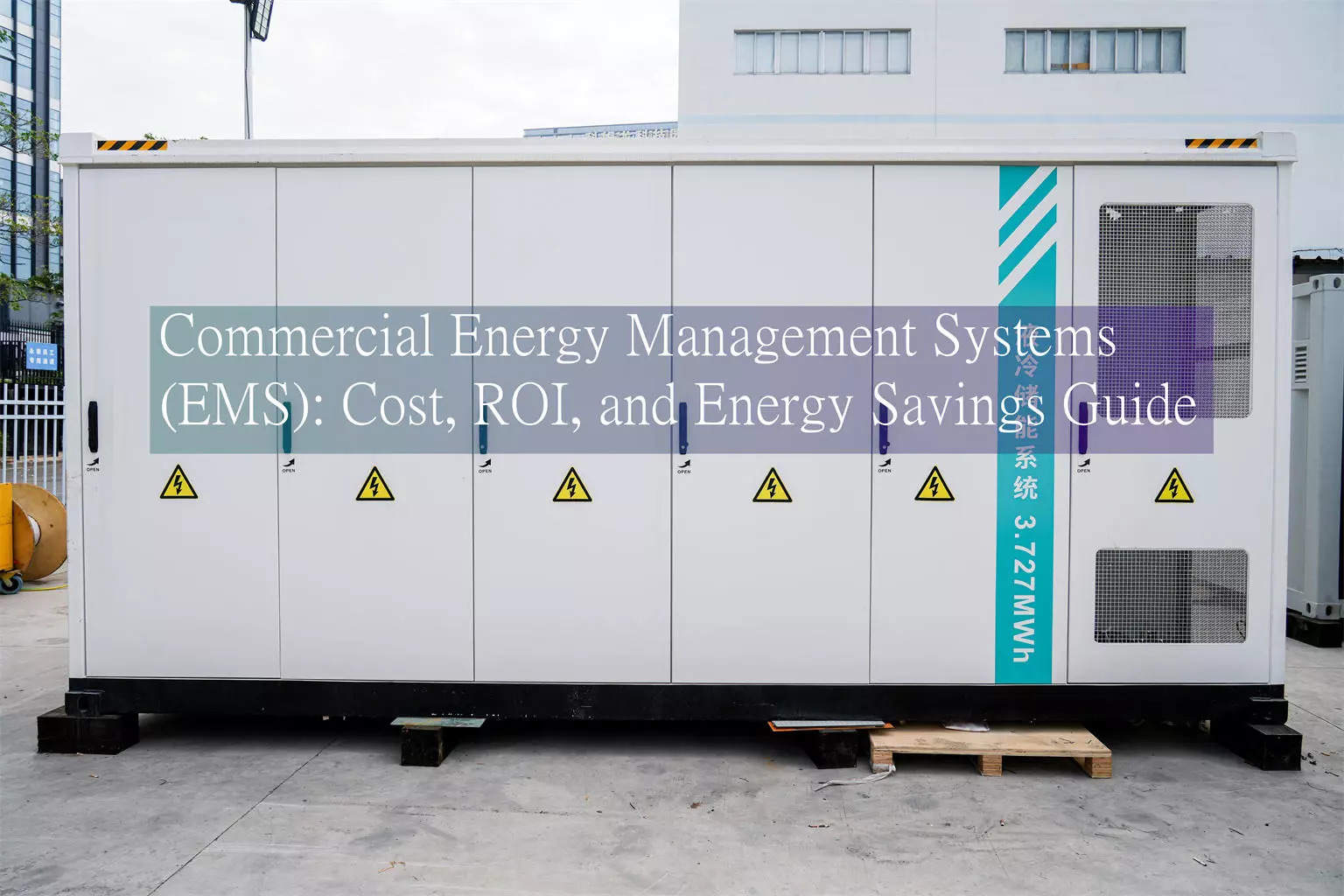
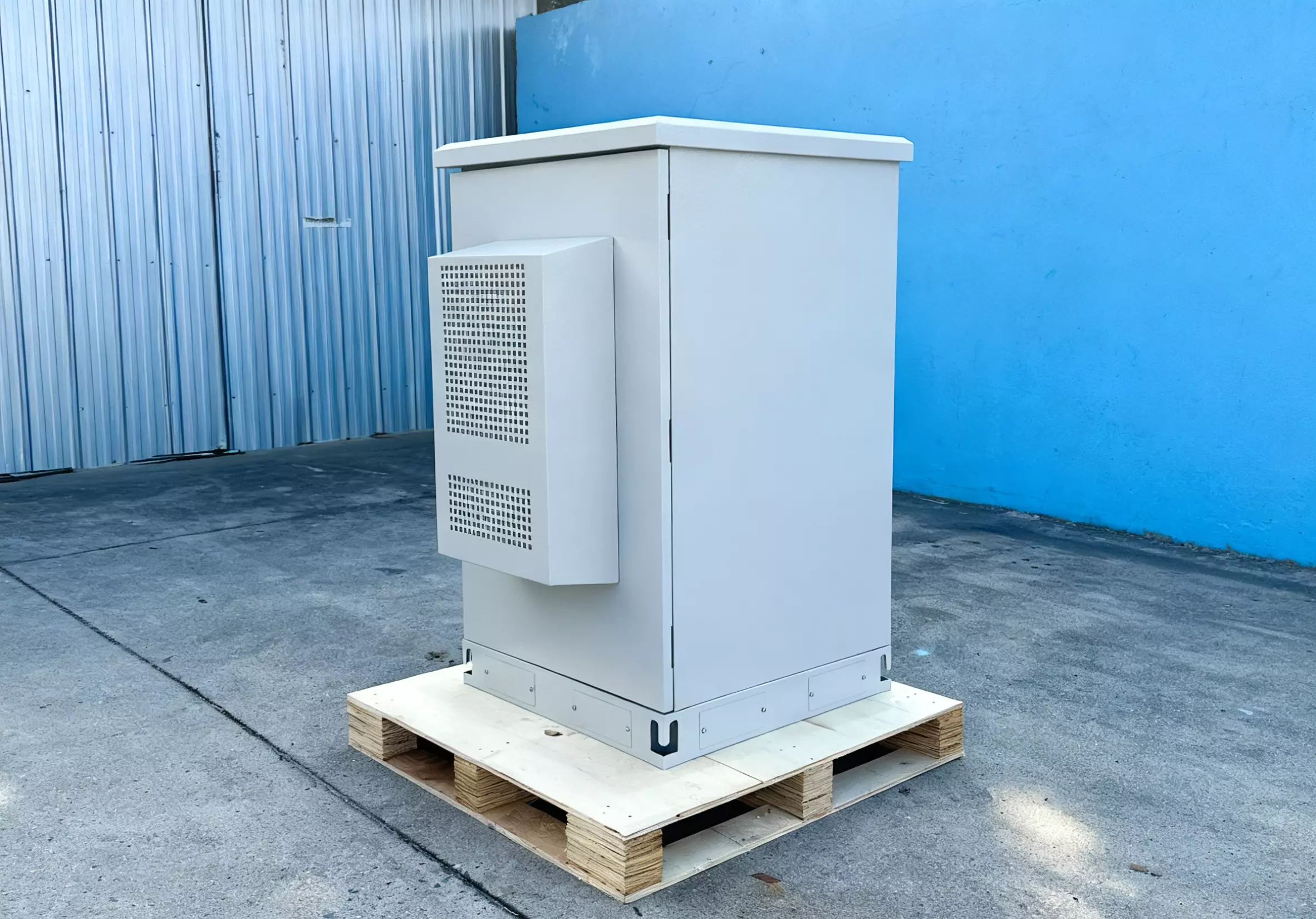
As a manufacturer with many years of experience in communications equipment and energy storage systems, Huijue Group's outdoor telecommunications cabinets are renowned for their ruggedness, durability, excellent sealing, and intelligent thermal management. They are widely used in carrier base stations, communications network nodes, and energy storage systems.
1. Sturdy Structural Design
Huijue cabinets consist of galvanized steel or aluminum alloy, which are further protected by an anti-corrosion spray coating. The cabinet frame is made stronger to resist effectively wind, rain, dust, and mechanical shock, thereby prolonging its service life.
2. Precision Sealing System
The cabinet door and the joints are equipped with top-quality sealing strips and compression gaskets that certify the cabinet's IP55 or IP56 standard. The IP56 cabinets are made with Huijue's double-layer sealing design that protects against water from the high-pressure jet extent.
3. Intelligent Thermal Management System
The cooling fans, heat exchangers, and TEC semiconductor cooling systems are the main components of the thermal management system, which in turn maintain the cooling and respective temperature of the high-ambient-temperature area as such during the summer or in the winter cold regions.
4. Flexible Installation and Safety Assurance
Huijue outdoor communication cabinets provide a variety of mounting options like wall-mounted, vertical, and pole-mounted to suit different installation conditions. Besides, anti-theft locks and anti-theft alarm interfaces are the security features used to protect the equipment.
5. IP55 vs. IP56: How to Choose for Your Project?
| Selection Criteria | Recommended Rating | Description |
|---|---|---|
| Mild climate, low rainfall | IP55 | Lower cost, simple maintenance |
| Coastal, high-humidity or heavy-rain regions | IP56 | Superior dust- and water-proof performance |
| Industrial zones or harsh outdoor environments | IP56 | Higher corrosion resistance, more reliable |
| Standard telecom network nodes | IP55 | Cost-effective with stable performance |
From a long-term perspective, while IP56 cabinets have a slightly higher initial investment, their superior protection effectively reduces maintenance frequency and replacement costs, making them more suitable for deploying communication and energy storage equipment in harsh environments.
6. Choose Reliable Protection to Ensure Communication and Energy Storage Security
Whether it's a communication base station, data node, or distributed energy storage system, the protection level of the outdoor cabinet directly impacts the safety and lifespan of the equipment.
Huijue Group's IP55 and IP56 outdoor telecommunications cabinets, utilizing high-quality materials, scientific construction, and intelligent temperature control technology, provide highly reliable protection solutions for various application scenarios, ensuring the long-term stable operation of communication and energy systems.