Ⅰ. Why is 2026 the key window period for the selection of solar inverters?
In the past few years, the focus of solar systems has often focused on the efficiency of photovoltaic modules, but by 2026, a trend has become very clear:
The inverter is becoming the "core equipment" that determines the overall performance of the system.
There are three main reasons:
- The efficiency of inverters continues to improve: the peak efficiency of mainstream products has exceeded 97%, and the gap begins to be reflected in the MPPT algorithm and real working condition performance.
- Energy storage compatibility has become a standard trend: more and more families hope to "add batteries" in the future. Whether the inverter supports energy storage is very important.
- The electricity consumption scenario is more complex: peak and valley electricity price, standby power, off-grid/off-grid hybrid operation, putting forward higher requirements for inverter intelligence.
It can be said that the key to the solar system is not only the photovoltaic panel, but also the choice of the inverter directly determines whether the power generation is efficiently utilised and whether the electricity consumption is stable and reliable.

The purpose of this article is very clear:
Help you choose an inverter that really suits your roof or solar array in 2026.
II. Why is the inverter the "heart" of the solar system?
Whether you are using a PV panel inverter or a high-power solar array inverter, the role of the inverter in the system is far more than "turning direct current into alternating current".
2.1 Three core functions of inverters
- DC → AC power conversion: Convert the direct current generated by photovoltaic modules into alternating current that can be used by homes and equipment.
- MPPT maximum power point tracking: Adjust the working point in real time to ensure that the photovoltaic panel outputs maximum power under different lighting conditions.
- System security and energy management: Including overvoltage, overcurrent, short-circuit protection, and network/network-of-network operation control.
2.2 Differences between different types of inverters
- Grid-connected inverter: only works when there is a power grid, and the power supply cannot be cut off.
- Hybrid inverter: supports network connection + energy storage + backup power.
- Off-grid inverter: completely independent operation, suitable for areas without power grids or unstable power grids.
For home users who pursue energy autonomy, whether it supports energy storage, three-phase output, and multi-MPPT has become more important indicators than "price".
III. Comparison of the best solar inverter models in 2026
Next, we will compare several types of mainstream inverters for solar panels according to the actual application scenarios.
3.1 Comparison table of mainstream inverters
| Model | Type | Rated Power | MPPT Channels | Peak Efficiency | Battery Support | Output Phases | Typical Application |
|---|---|---|---|---|---|---|---|
| A | Grid-tie | 5 kW | 2 | 97.8% | × | Single-phase | Residential roof-top |
| B | Hybrid | 8 kW | 2 | 97.5% | √ | Single-phase | Home + backup |
| C | Off-grid | 10–12 kW | 2 | 97.5% | √ | Three-phase | Farm / C&I |
| D | Grid-tie | 20 kW | 3 | 98.0% | × | Three-phase | Commercial roof-top |
3.2 Key Recommendation: 10–12kW Three-Phase Low Voltage Off-Grid Inverter
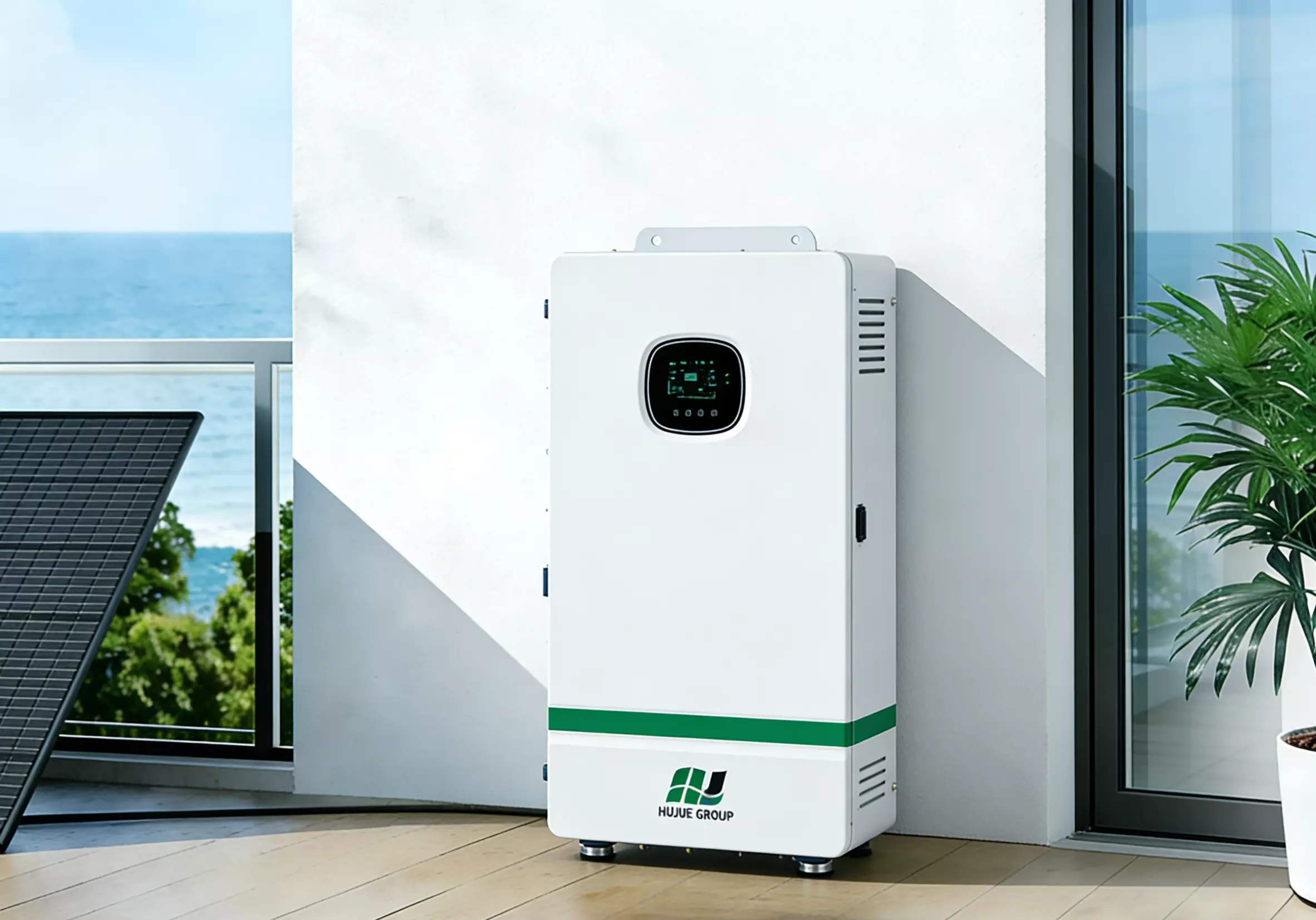
If you are looking for a solar panel power inverter that is really suitable for high-load, off-grid or semi-off-grid scenarios, this 10–12kW three-phase low-voltage off-grid inverter is worth paying attention to.
Core technical advantages
- The peak efficiency is as high as 97.5%
- Minimise the energy conversion loss and improve the overall power generation income of the system.
- 48V low-voltage battery system compatibility
- Perfectly matched with mainstream LiFePO4 batteries, higher security and lower maintenance costs.
- Pure sine wave three-phase output (230/400V)
- It can stably drive three-phase motors, irrigation pumps, commercial compressors and other heavy equipment.
- Dual MPPT design (total PV input up to 18kW)
- Even if the roof is in a different direction, it can maintain efficient power generation.
Why isn't it just an inverter?
This product is essentially an independent power management centre:
- Automatic coordination of solar energy → load → battery → energy storage.
- It can still operate stably without a power grid.
- It is especially suitable for farms, remote residences and small commercial places.
- This is a very mature and reliable solution for users who need inverter for rooftop panels and have complex loads.
IV. How to choose inverters according to the application scenario?
4.1 Home network system
Recommended power: 3–10 kW
Focus on:
- Whether to support multiple channels MPPT
- Whether to reserve an interface for future energy storage
4.2 Industrial and commercial roofing system
Recommended: three-phase inverters
Focus on:
- Multi-MPPT + high network-assisting ability
- Support remote monitoring and maintenance
4.3 Energy storage hybrid system
- Battery management must be supported
- Whether it has UPS/EPS mode
- Peak and Valley Electricity Price Scheduling Ability
4.4 Dis-network / remote area
Prioritise off-network or hybrid inverter
- Support the low-voltage battery system
- High reliability and overload capacity
Welcome to view more details about our inverter products.
V. In-depth analysis of key parameters of inverter
5.1 How to choose the rated power?
Rated power ≥ maximum simultaneous load at home
It is safer to leave 20–30% margin.
5.2 Why is the number of MPPT routes important?
Multiple MPPT can reduce the impact of shadows
It is especially important for complex roofs.
5.3 Peak efficiency vs actual efficiency
Peak efficiency is only a theoretical value.
Daily efficiency depends on the load and lighting conditions.
5.4 Protection level and reliability
Outdoor installation is recommended with IP65 and above
The heat dissipation design directly affects the service life.
VI. Frequently Asked Questions and Misunderstandings (FAQ)
Q1: Does the inverter in 2026 have to support energy storage?
A: It is strongly recommended to support it. Even if it is not used temporarily, it can leave room for future upgrades.
Q2: Do inverters and photovoltaic panels have to be matched one by one?
A: It does not need to be exactly the same, but the power ratio must be reasonable.
Q3: Can all inverters be networked?
A: That's not the case. The off-grid inverter usually does not support networking.
Q4: Is the higher the efficiency, the better?
A: It should be judged comprehensively in combination with price, load characteristics and system design.
VII. Don't just look at the parameters, the system matching is the key.
Finally, it needs to be emphasised that:
No matter how well the inverter is selected, if the system does not match as a whole, the power generation efficiency and use experience will be discounted.
A truly reliable solar system needs to consider at the same time:
- Photovoltaic module configuration
- Inverter performance
- Battery compatibility
- Actual load demand
If you are planning or upgrading a solar system, it is often more important to communicate with a professional team for a system-level evaluation than to select products separately.
Contact us for a quotation to customise the most suitable inverter solution for your roof or solar array.