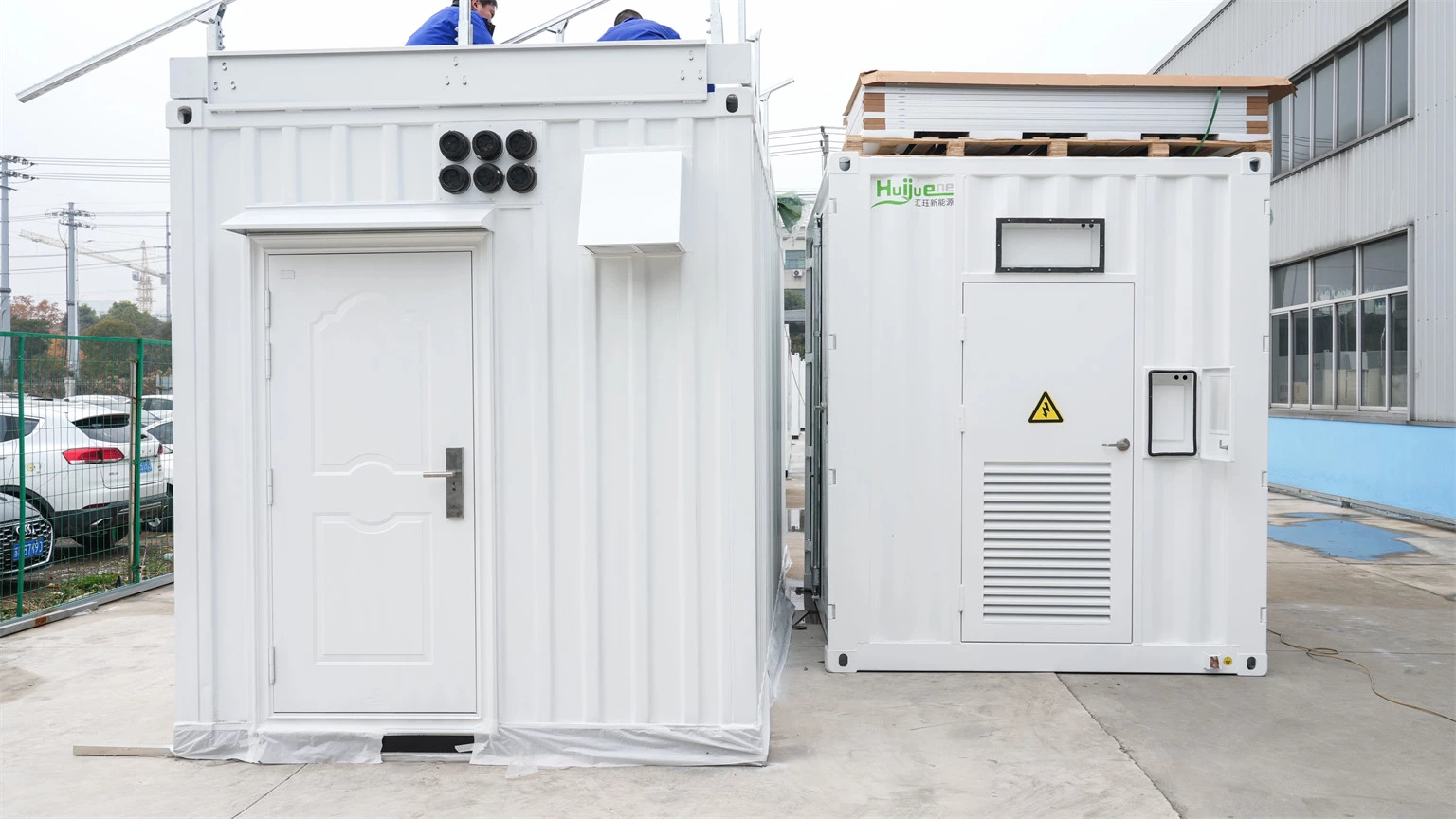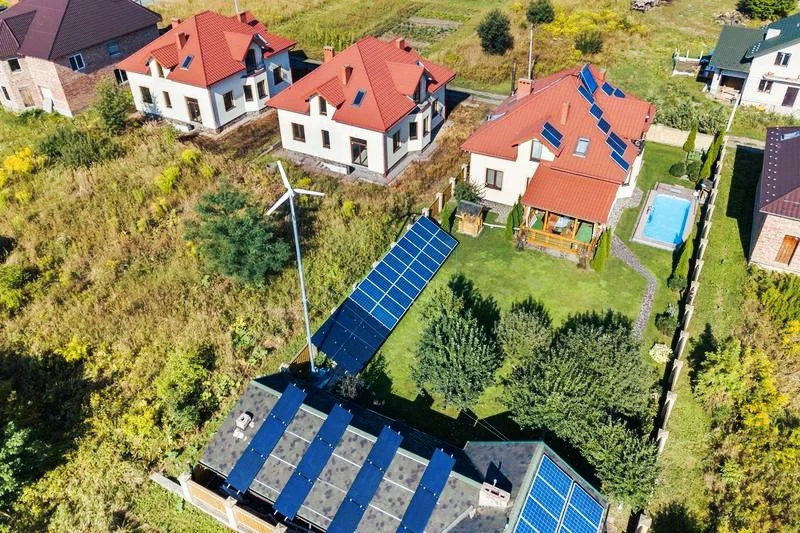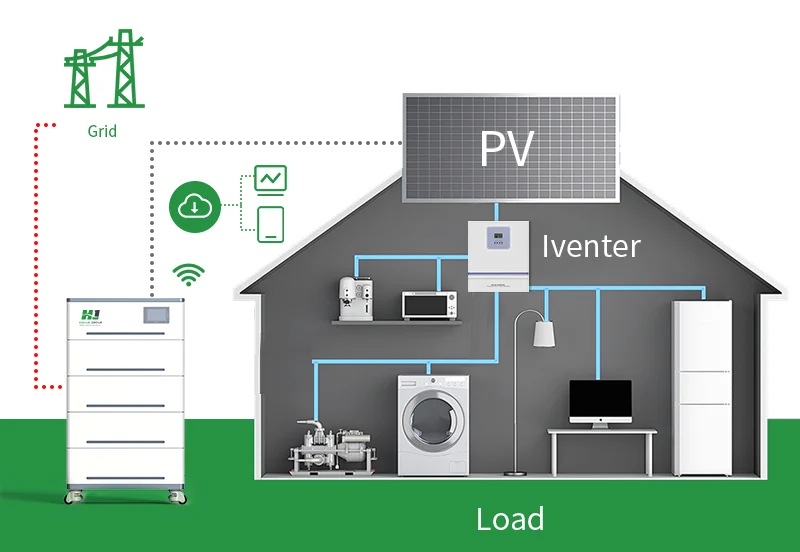
Madagascar’s remote islands rely on costly diesel generators, but solar microgrids offer a sustainable alternative. By combining solar panels with energy storage, these systems provide reliable, clean energy and reduce diesel dependence.
For businesses, solar microgrids mean fewer interruptions and lower costs, boosting the local economy. They also contribute to environmental sustainability by reducing carbon emissions.
Solar microgrids offer a smart investment that ensures energy independence, savings, and improved quality of life for local communities.
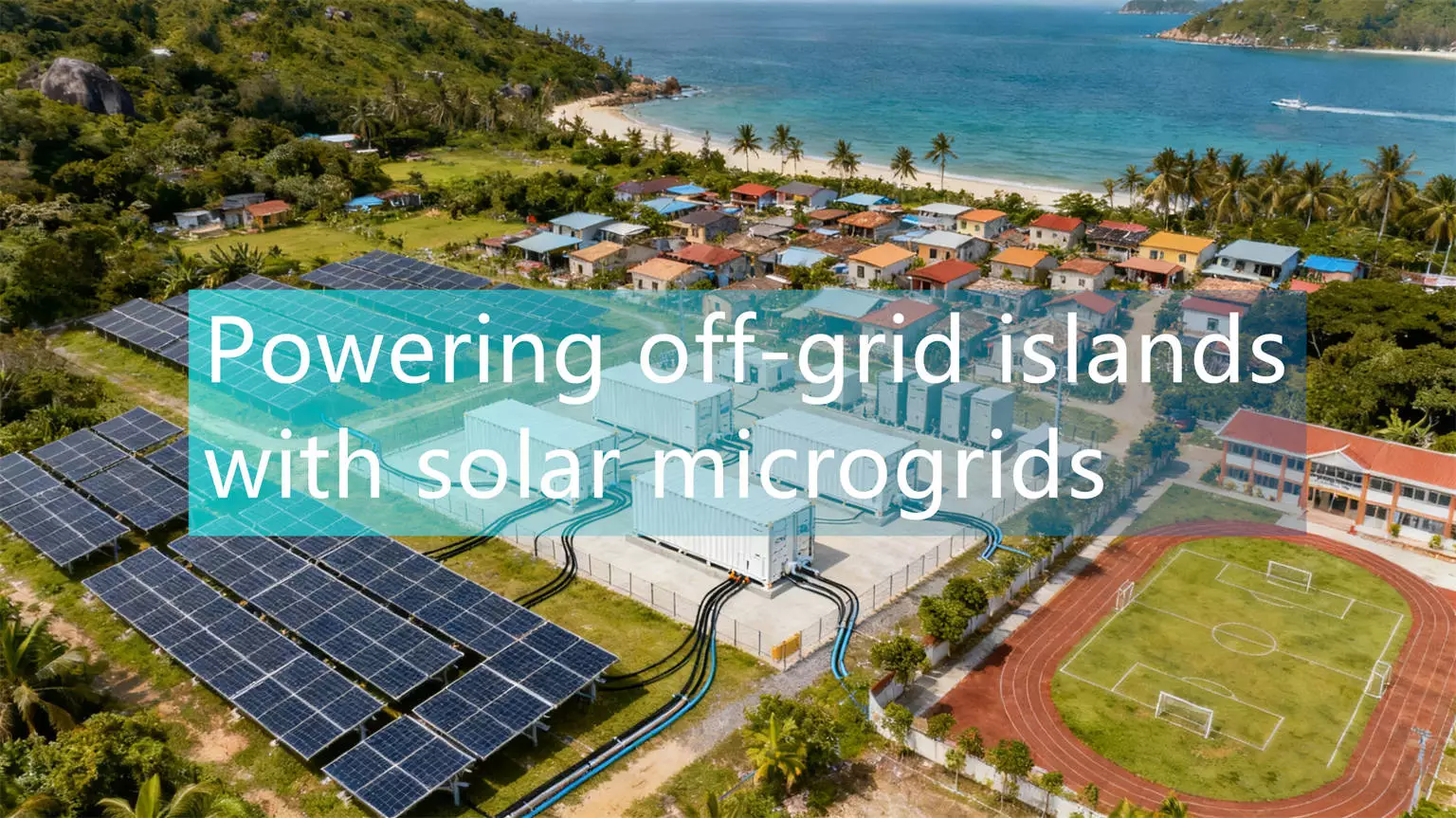
Madagascar’s remote islandsface major challenges when it comes to reliable energy access. Over 90% of its rural and island communities are off the national grid and rely heavily on diesel generators, which are costly and harmful to the environment. However, with the declining cost of solar energy and advances in energy storage, things are starting to change. This article explores how solar-powered microgrids are helping off-grid islands in Madagascar move toward cleaner, more reliable energy sources.
Madagascar is an island nation in the Indian Ocean, and its remote islands are often too isolated to connect to the national grid. Solar energy, however, offers a great alternative. With high solar potential (around 5-6 kWh/m²/day), these islands can harness abundant sunlight during the day and store it for use at night or during cloudy periods.
When designing a solar-powered microgrid for an off-grid island, several factors need to be considered. The system should be reliable, affordable, and capable of withstanding tough conditions like high humidity and frequent storms.
Key Features of Hybrid Inverters:
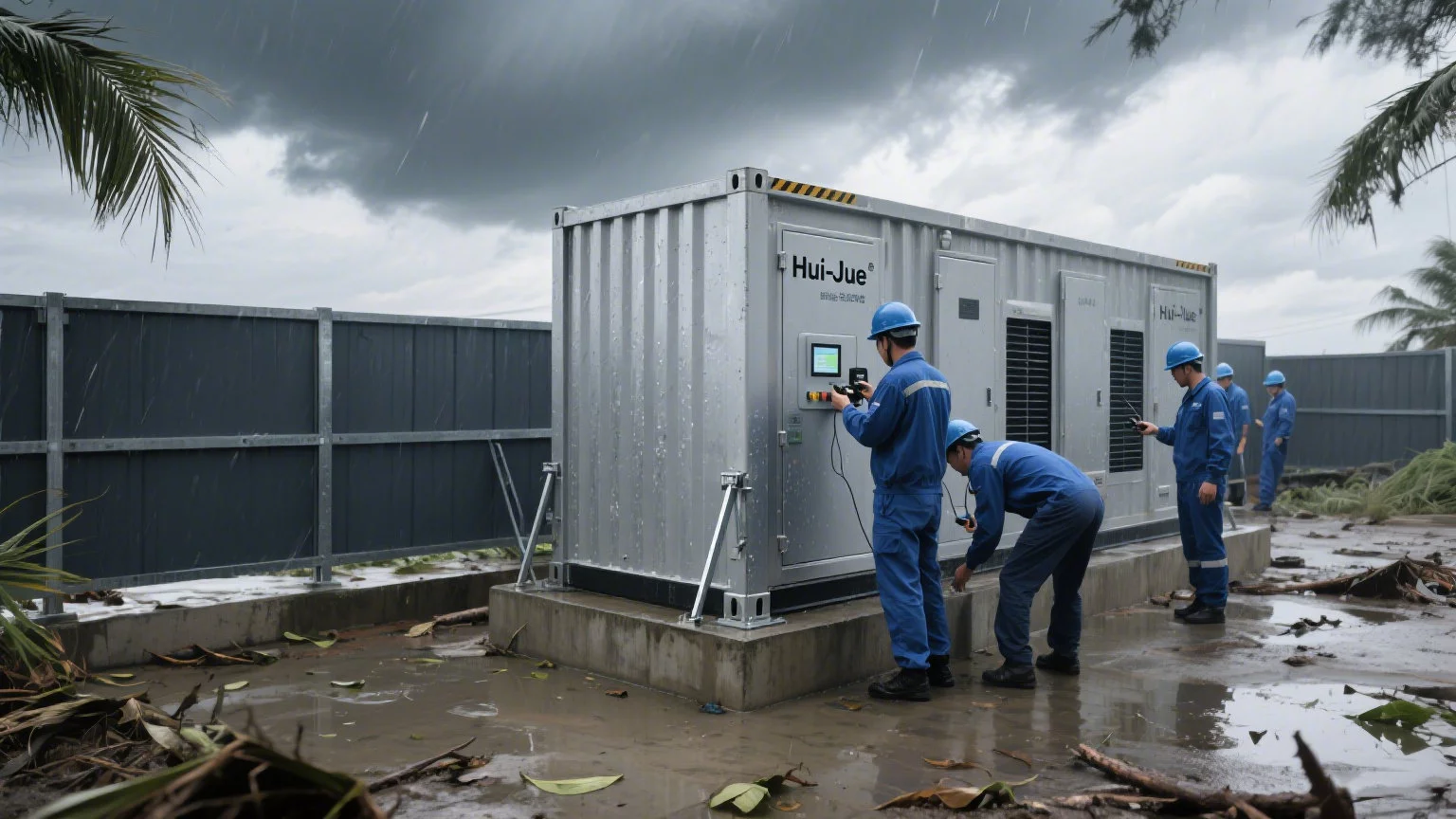
In 2023, a solar microgrid system was installed on a remote island in Madagascar to serve a community of 2,000 people who previously depended on diesel generators. The new system provided them with 24/7 electricity, reducing their reliance on diesel by 80%.
System Design:
Result:
Another project involved providing solar energy to a school and a healthcare clinic. This project showed how renewable energy could support critical services in off-grid areas.
System Design:
Result:
Breakdown of System Costs
Setting up a solar microgrid is a big investment, but it can save money in the long run. Here’s a rough estimate of the costs involved in setting up a system for a mid-sized community:
| Component | Estimated Cost (USD) |
|---|---|
| Solar PV Array (100 kW) | $40,000 - $55,000 |
| LiFePO4 Battery (300 kWh) | $75,000 - $100,000 |
| Hybrid Inverters (2 x 30 kW) | $12,000 - $18,000 |
| System Setup & Installation | $20,000 - $30,000 |
| Total System Cost | $147,000 - $203,000 |
The Malagasy government is encouraging renewable energy projects by offering subsidies and grants. These can significantly reduce the initial investment required for installing solar microgrids.
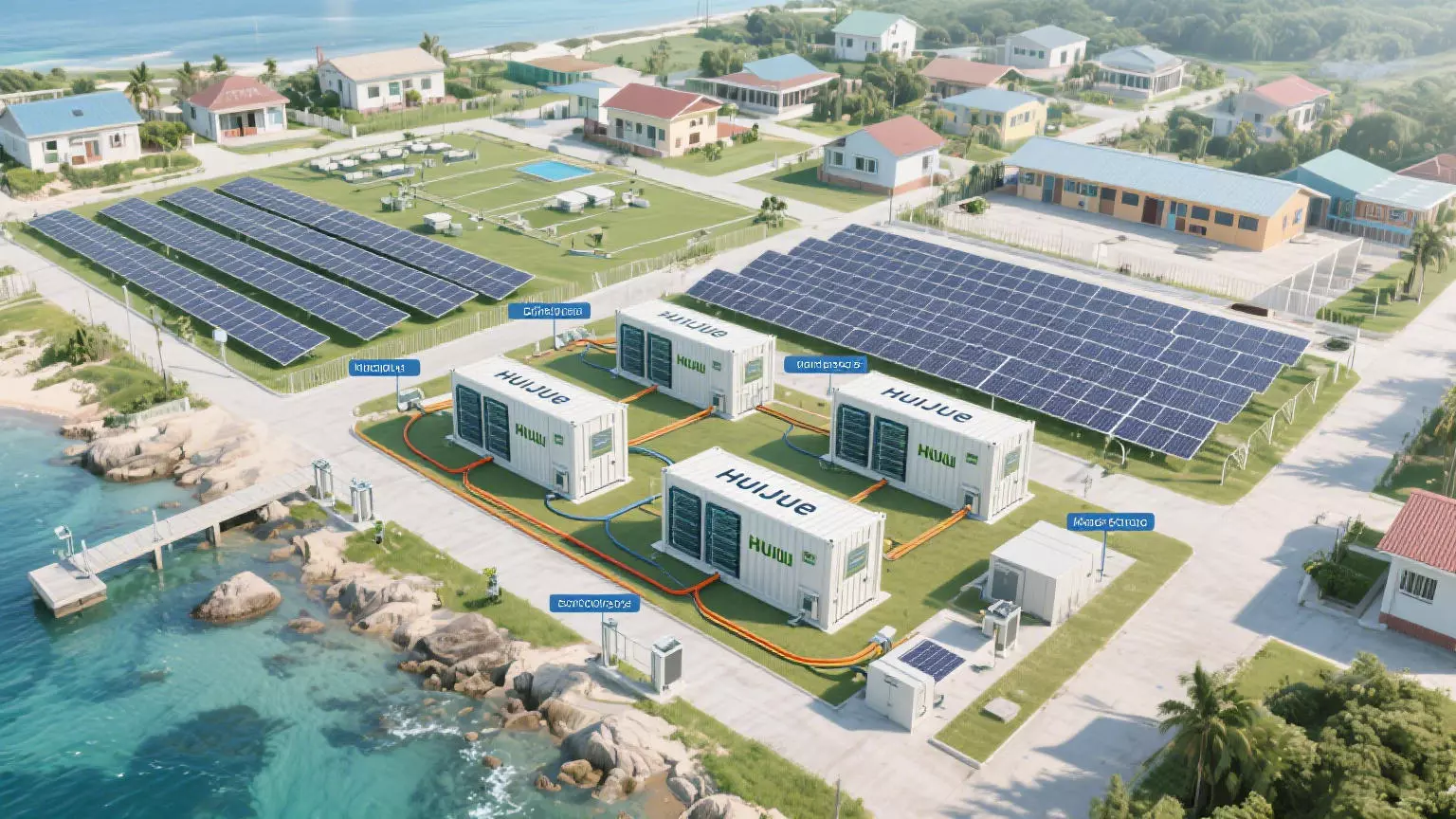
Though the initial investment is substantial, the savings on diesel fuel and the improved reliability of the system mean the project typically pays for itself in 5-7 years. After that, the community can enjoy much lower electricity costs.
Long-term maintenance and support are essential for these systems to function properly. HuiJue provides robust after-sales services, including:
Solar-powered microgrids are the future for off-grid islands in Madagascar. By using abundant solar resources and efficient energy storage systems, these islands can achieve energy independence, reduce their reliance on diesel, and improve the overall quality of life for local communities.
If you’re considering an energy solution for your off-grid island, check out HuiJue’s solar inverters and storage systems to see how we can help you build a sustainable energy future.
Huijue is looking forward to your contact